Blood in pet stool or urine is usually caused by irritation, infection, or injury somewhere in the digestive or urinary system. Common causes include dietary changes, urinary tract infections, or minor injuries; however, more serious conditions requiring immediate...
When pets start peeing more frequently or having accidents, a urinary tract infection, diabetes, kidney disease, or bladder stones is usually indicated. Veterinary examination is required for proper diagnosis in most cases, since home remedies rarely address the...
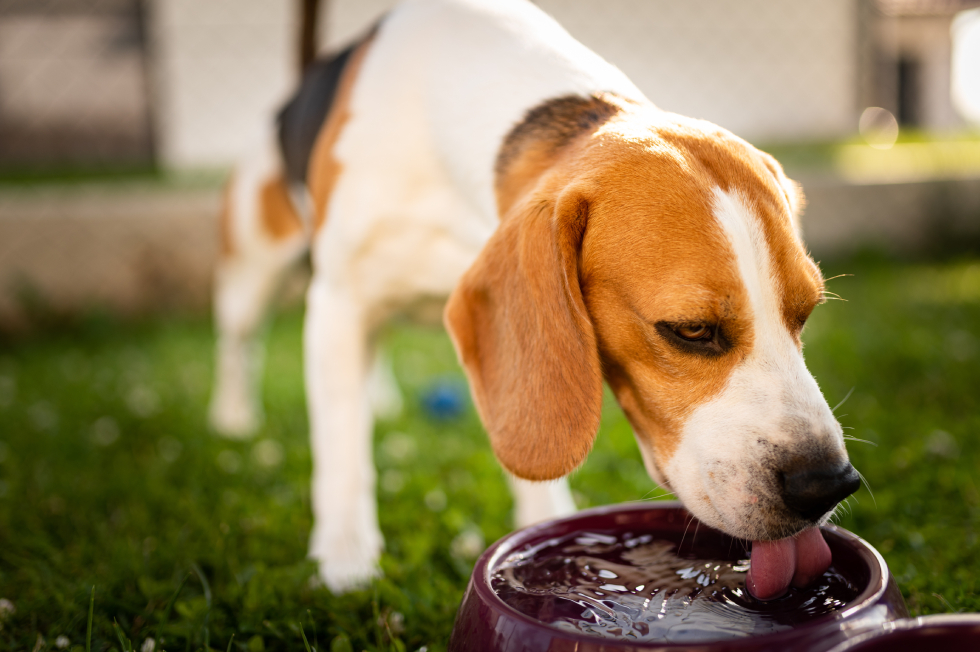
An underlying health issue is usually signaled by increased thirst in pets when it persists for more than 2-3 days; this symptom is commonly caused by conditions like diabetes, kidney disease, or infections. Your pet’s water intake should be monitored, and your...
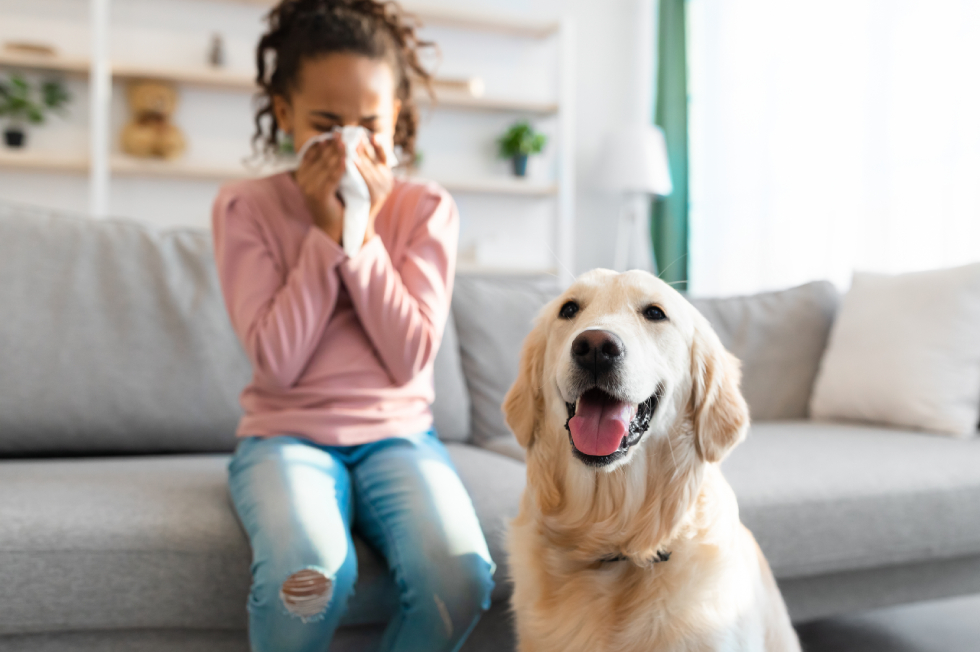
Respiratory infections, allergies, heart problems, or tracheal issues are usually what cause dog coughing. Occasional soft coughs might be normal; however, persistent hacking, gagging sounds, or coughing with lethargy requires veterinary evaluation within 24-48 hours....
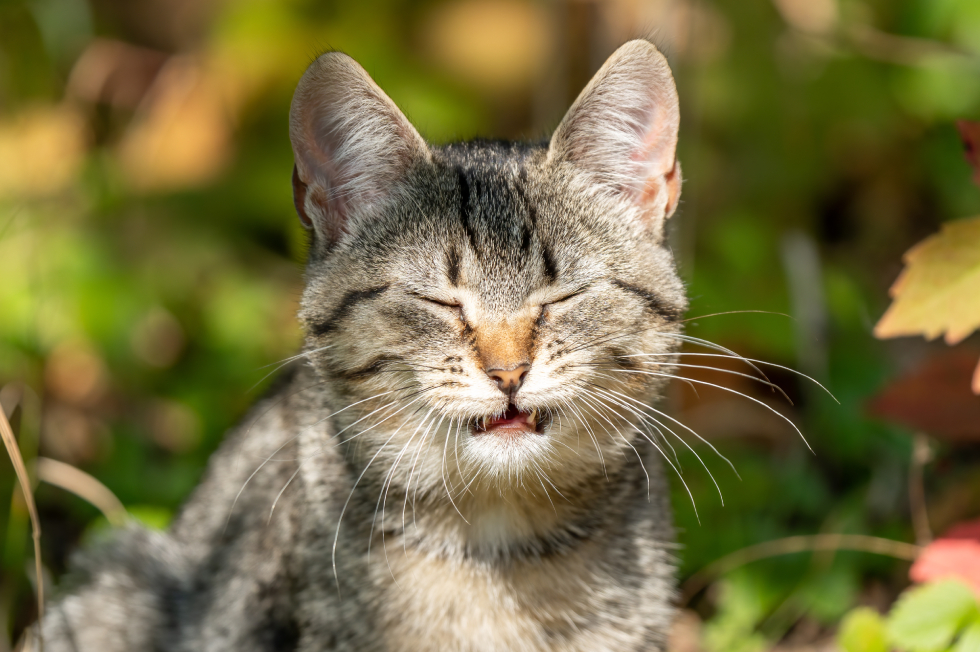
Upper respiratory irritation, allergies, or infection are usually indicated by cat sneezing; however, persistent sneezing combined with wheezing, difficulty breathing, or discharge often requires veterinary attention within 24-48 hours. Environmental triggers resolve...
Generally, 3-5 days without eating can be tolerated by dogs before it becomes concerning, while cats should be seen by a vet after 2-3 days of appetite loss. However, very young, elderly, or sick pets need attention much sooner; sometimes food refusal for 12-24 hours...