
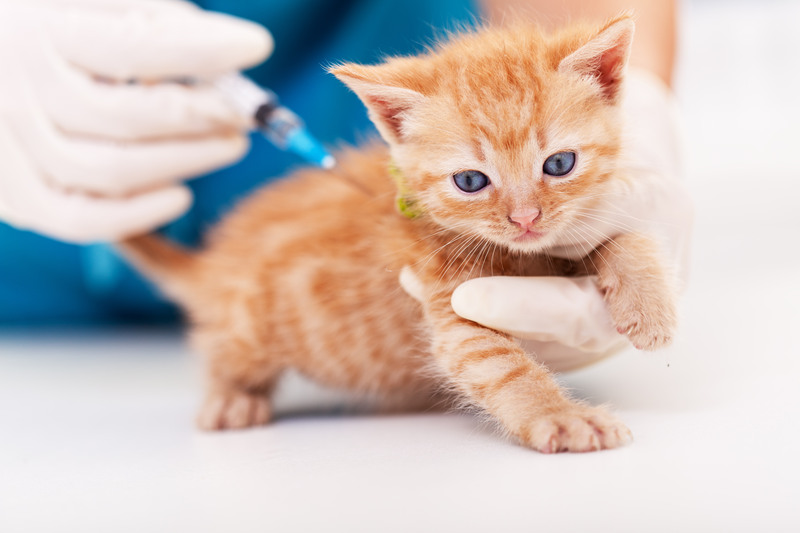
Why Preventive Care is Important for Pets
Most pet owners expect preventative veterinary care to work differently than it does. Optimal health is focused on through regular monitoring and early intervention rather than waiting for visible symptoms. The first line of defense against serious diseases is formed by vaccines. But baseline health measurements are established by the real value, which help veterinarians spot subtle changes over time.
Understanding Vaccine Protocols
Your pet’s specific risk factors and lifestyle are used to design modern vaccine schedules. Life-threatening diseases that affect all pets are protected against by core vaccines, regardless of their living situation. Geographic location, travel plans, and exposure risks are used as the basis for non-core vaccine recommendations. Different vaccine protocols are often needed by Bowmanville pet owners than urban pets due to wildlife exposure and tick-borne diseases in the area.
The Power of Early Detection
Problems are caught by regular wellness exams before pet owners can see them. Kidney function changes are revealed by blood work months before symptoms appear. Periodontal disease that could lead to heart problems if left untreated is identified through dental exams. A seemingly healthy golden retriever was involved in a recent case whose routine blood work revealed early kidney disease. Treatment started immediately; normal kidney function was maintained by the dog for three additional years.
Financial Benefits Add Up
Emergency treatments cost significantly more than preventative care does. Annual wellness visits typically run $200-400, while $3,000-5,000 is often exceeded by emergency surgeries. This difference is recognized by pet insurance companies, and wellness coverage is offered specifically for preventative services. The math becomes clear when routine dental cleanings are compared to treating advanced periodontal disease requiring tooth extractions.
Age-Specific Considerations
Frequent visits for vaccine series and spay/neuter procedures are needed by young pets. Annual wellness exams and parasite prevention benefit adult pets. More intensive monitoring is required by senior pets, including twice-yearly blood work and specialized screenings for age-related conditions. Different health priorities that are addressed proactively by preventative care are presented by each life stage.
Building Long-Term Health
Detailed health records that become invaluable as pets age are created by preventative care. Gradual changes that might otherwise go unnoticed are helped to be identified by veterinarians through these records. Weight trends, dental health progression, and organ function patterns provide crucial information for making treatment decisions. Plus, pets become more comfortable with veterinary visits when they occur regularly rather than only during illness.
Taking the Next Step
A comprehensive wellness exam for your pet should be scheduled to begin preventative care. Your pet’s current health status will be assessed by your veterinarian during this visit, and a customized preventative care plan will be developed. Vaccine schedules, parasite prevention protocols, and recommended screening tests based on your pet’s age and risk factors are typically included in this plan. Ready to give your pet the best chance at a long, healthy life? Visit our website to schedule your pet’s wellness exam today.
FAQ
Q: How often should my pet see a veterinarian? Annual wellness visits benefit most pets, though checkups every six months are often needed by senior pets. More frequent visits are required by young animals for vaccine series. That still surprises people.
Q: What vaccines does my pet actually need? Rabies, distemper, and parvovirus for dogs are protected against by core vaccines; rabies, distemper, and feline leukemia for cats. Lifestyle and geographic risk factors are used as the basis for non-core vaccine recommendations.
Q: When should I start preventative care? Look, their wellness journey should be begun by puppies and kittens around 6-8 weeks old. Immediate health assessments are needed by adult pets adopted from shelters. Preventative care is never too late to start.
Q: What’s included in a typical wellness exam? Fair point. Weight assessment, dental evaluation, heart and lung checks, abdominal palpation, and discussion of behavioral changes are covered by comprehensive exams. Blood work gets added as pets age.