
Blog
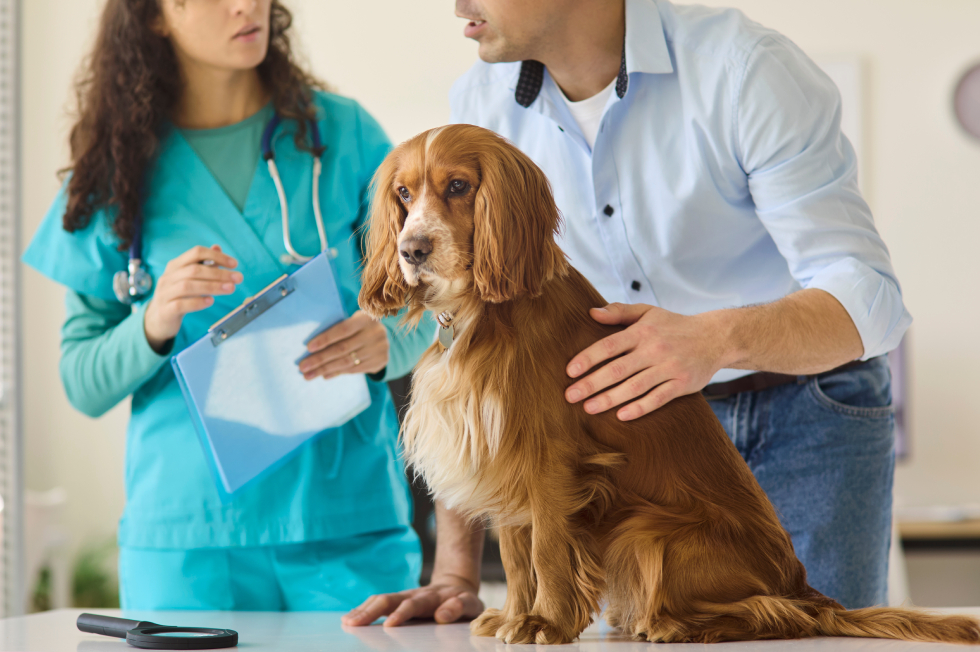
Blood in Pet Stool or Urine: Causes and Next Steps
Blood in your pet’s stool or urine can signal anything from minor dietary issues to serious health conditions. As it turns out, the color and consistency are often examined by veterinarians to provide important clues about what’s happening inside your pet’s body. Most cases are caused by digestive upset, urinary tract infections, or dietary indiscretions; however, more serious conditions like kidney disease or internal bleeding can’t be ruled out. The location and appearance of blood are typically used by veterinarians to determine the underlying cause. Sometimes what looks alarming to pet owners is found to be something manageable with proper treatment.
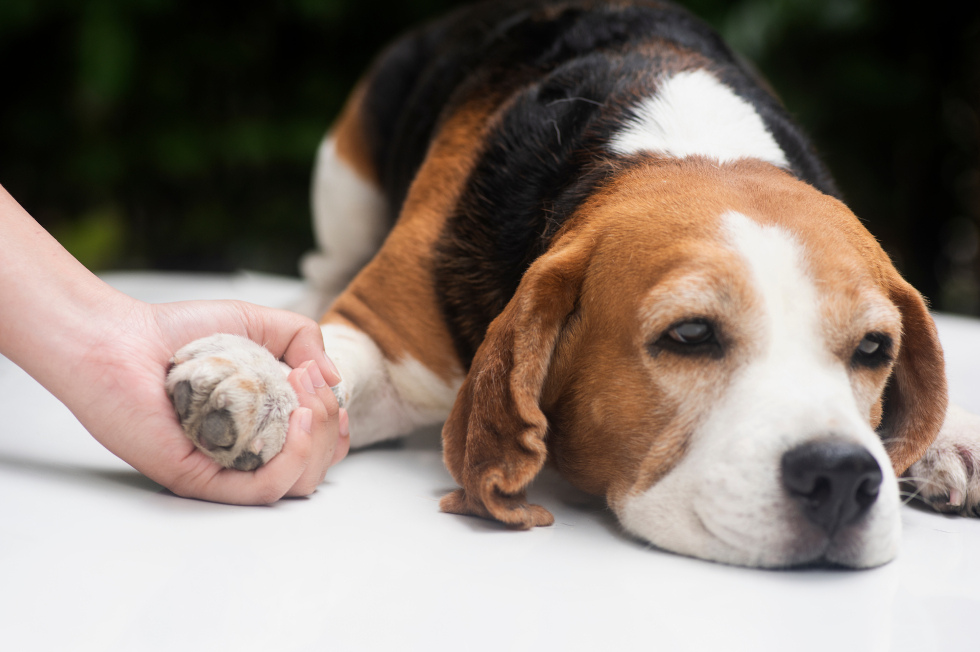
Pet Peeing More? Signs of UTI and Other Health Issues
Pet owners are often caught off guard by increased urination, especially when indoor accidents begin happening. As it turns out, frequent urination can be caused by several underlying health conditions, from urinary tract infections to more serious issues like diabetes or kidney disease. These symptoms are usually noticed gradually by owners who are familiar with their animal’s normal bathroom habits. While UTIs are commonly suspected first, other conditions can present similarly; different treatment approaches are required for each.
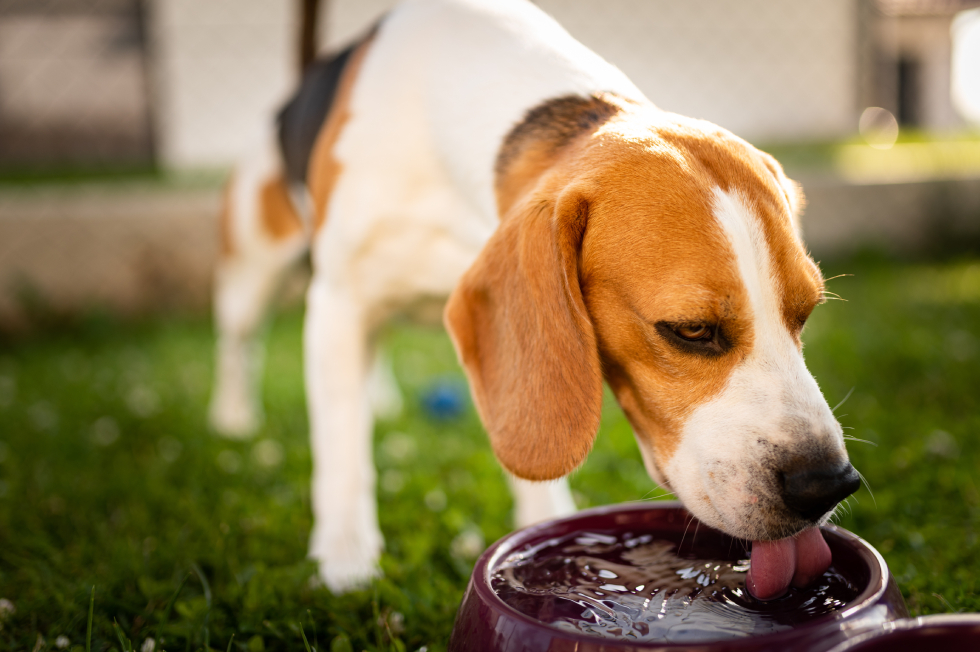
My Pet Is Drinking More Water Than Usual: When to Worry
Between half an ounce to one ounce of water per pound of body weight is typically consumed by pets daily, though sudden increases often indicate underlying health concerns. As it turns out, conditions like diabetes, kidney disease, and certain medications are frequently overlooked as culprits behind excessive thirst. The change is noticed gradually by many pet owners in Bowmanville, making it harder to pinpoint when normal drinking became problematic. Temporary increases from hot weather or increased activity must be distinguished from persistent changes that warrant professional evaluation; that’s the tricky part, I suppose.

Why Is My Dog Limping? Home Checks vs Vet Visit Guide
Minor muscle strain to serious injury requiring immediate attention can be caused by dog limping. As it turns out, when to monitor at home versus rushing to the vet is something many pet owners struggle with. Simple home assessments can be performed safely; certain warning signs should never be ignored, though. Factors like severity, duration, and your dog’s overall behavior often determine the decision. From what we’ve seen, most limping episodes are categorized in predictable ways that help guide next steps.
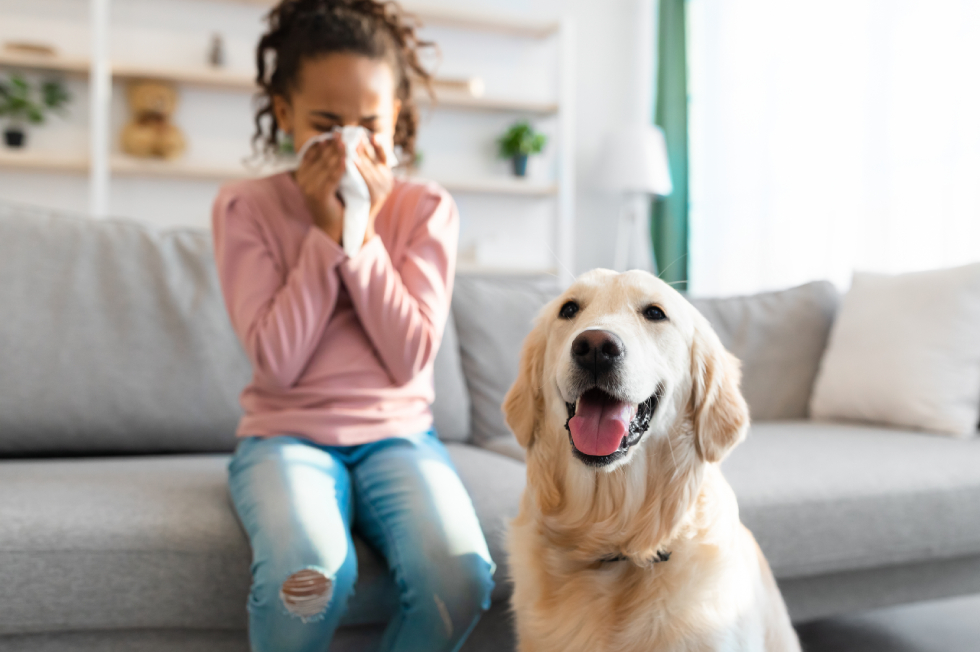
Why Is My Dog Coughing? Common Causes & When to See a Vet
Dog coughing ranges from harmless throat clearing to symptoms of serious respiratory conditions. As it turns out, the sound and timing of your dog’s cough often reveals more than pet owners realize. Everything from seasonal allergies and kennel cough to heart disease and collapsed trachea can be triggered by common factors. While occasional coughing might be normal, underlying health issues that require professional attention are frequently what cause persistent or harsh coughing. The challenge lies in distinguishing between temporary irritation and conditions that need immediate care.
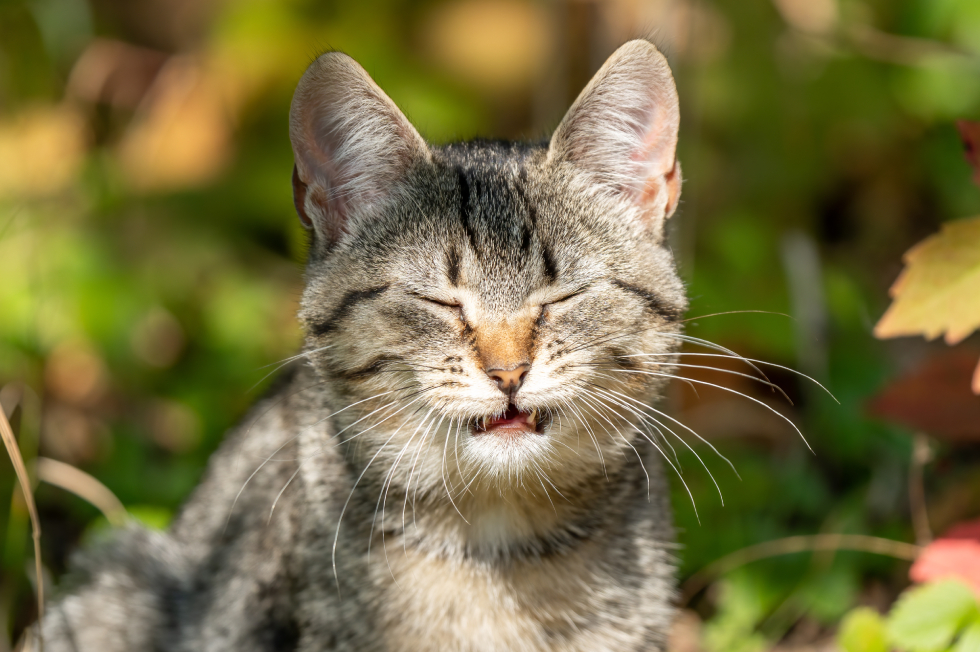
Why Is My Cat Sneezing? When Respiratory Symptoms Need Vet Care
Cat sneezing is noticed by pet owners more often than many realize, though distinguishing between harmless irritation and serious respiratory distress can be tricky. As it turns out, breathing problems are surprisingly well-hidden by cats until symptoms become severe. Roughly 40% of cats showing persistent sneezing are diagnosed with upper respiratory infections, while environmental allergens are blamed for another significant portion of cases. When occasional sneezing crosses into territory that requires professional evaluation; well, that’s where the challenge lies.

Tips On How To Introduce Pets and Kids
Bringing a pet into a home with children can be exciting, but the first few interactions should be handled carefully. Dogs and cats have different personalities, comfort levels, and ways of communicating. Children may also need time to understand how to behave around...
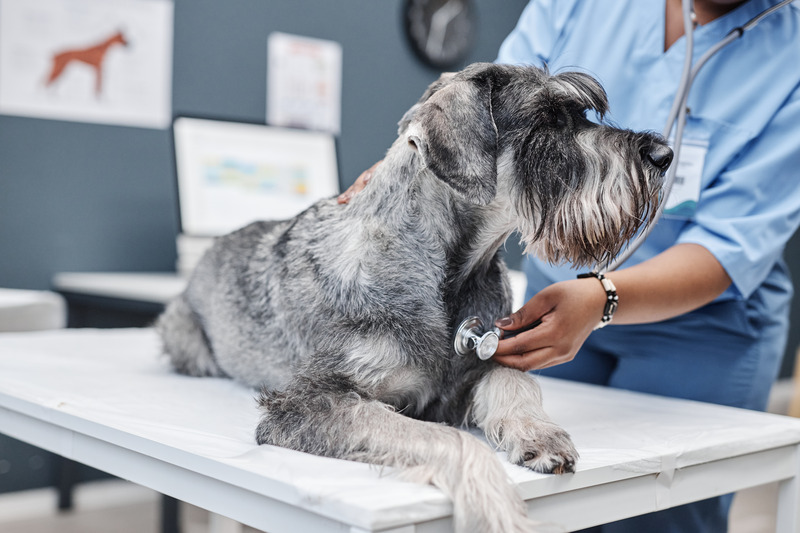
Why An Annual Exam is Important For Your Pet?
Pets can be very good at hiding signs of illness. A dog or cat may continue eating, playing, and behaving normally even when an underlying health concern is developing. This is one reason routine veterinary care matters. An annual exam gives your veterinarian an...
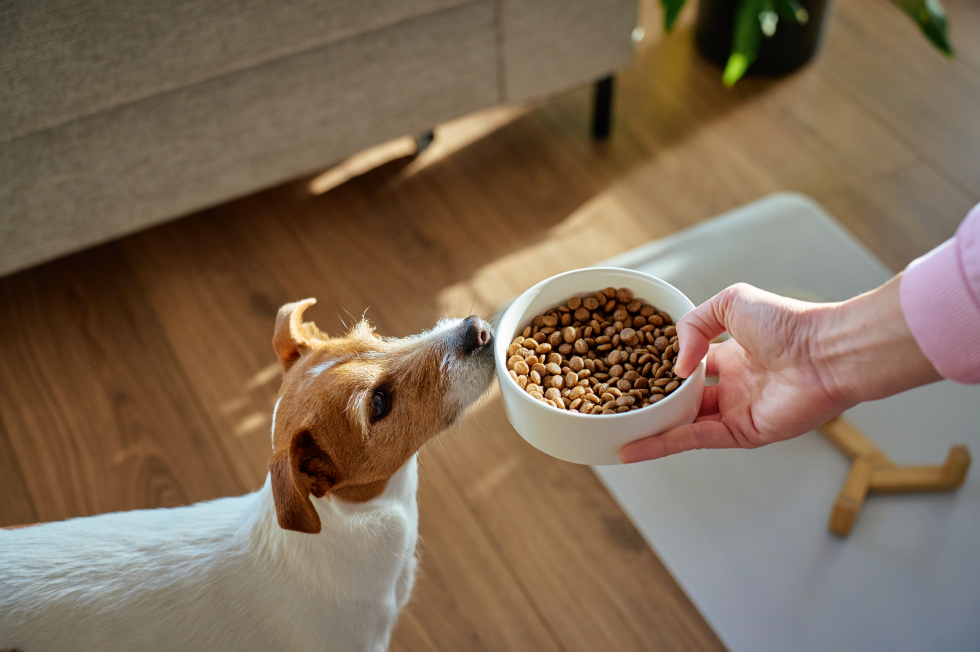
My Pet Won’t Eat: How Long Is Too Long and What’s Wrong?
Most pets skip meals occasionally, though prolonged appetite loss is often viewed as a signal of deeper issues. As it turns out, the timeline varies dramatically between cats and dogs. Food can be safely avoided by dogs for 3-5 days, while serious health risks are faced by cats after just 2-3 days of not eating. Various factors are frequently overlooked by pet owners, from dental pain to environmental stress. The challenge lies in distinguishing between temporary pickiness and genuine medical concerns; immediate attention may be required.
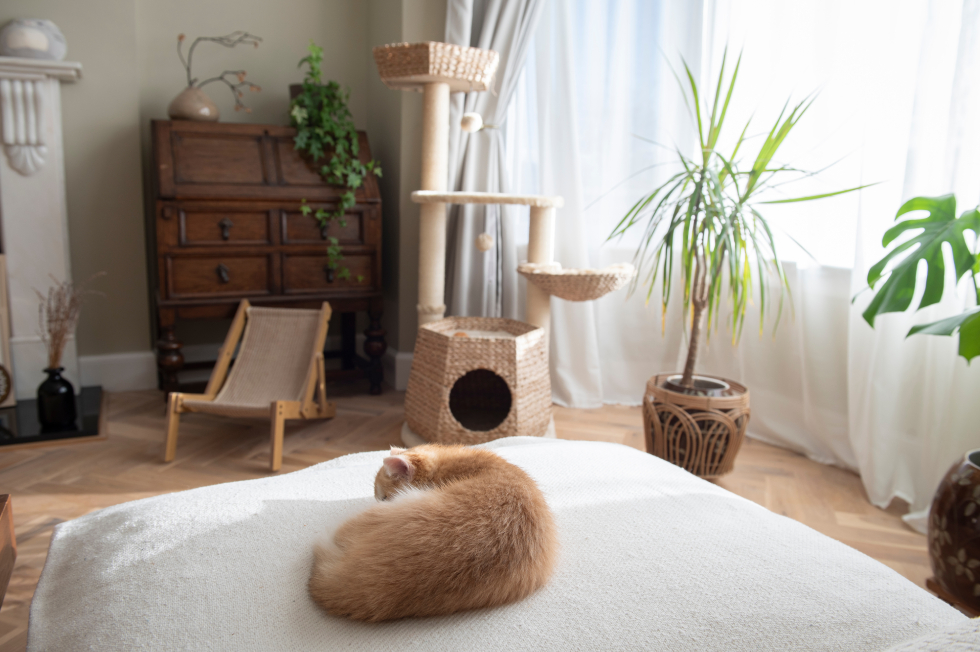
Cat Lethargy: Subtle Signs Your Pet Needs Veterinary Care
Normal laziness is often what cat lethargy gets dismissed as, but underlying health issues can be signaled by subtle changes in your pet’s energy levels. As it turns out, illness is naturally hidden well by many cats, which makes early detection particularly challenging for pet owners. Other quiet symptoms that are easily overlooked during busy daily routines frequently accompany lethargy. From what we’ve seen at Animal Clinic of East Durham, knowing your cat’s normal patterns is where the key lies; recognizing when something feels different matters, even if what’s changed can’t quite be put into words.


Address
Clinic Hours
Monday, Tuesday, Thursday & Friday: 9:00 AM – 8:00 PM
Wednesday: 9:00 AM – 4:00 PM
Saturday: 10:00 AM – 8:00 PM
Sunday: Closed
SEO Services by BreezeMaxWeb