A vet visit is usually required for dog limping if it’s severe, sudden, or accompanied by other symptoms; however, mild limping from known activity can often be monitored at home for 24-48 hours. Weight-bearing ability, swelling, and your dog’s general...
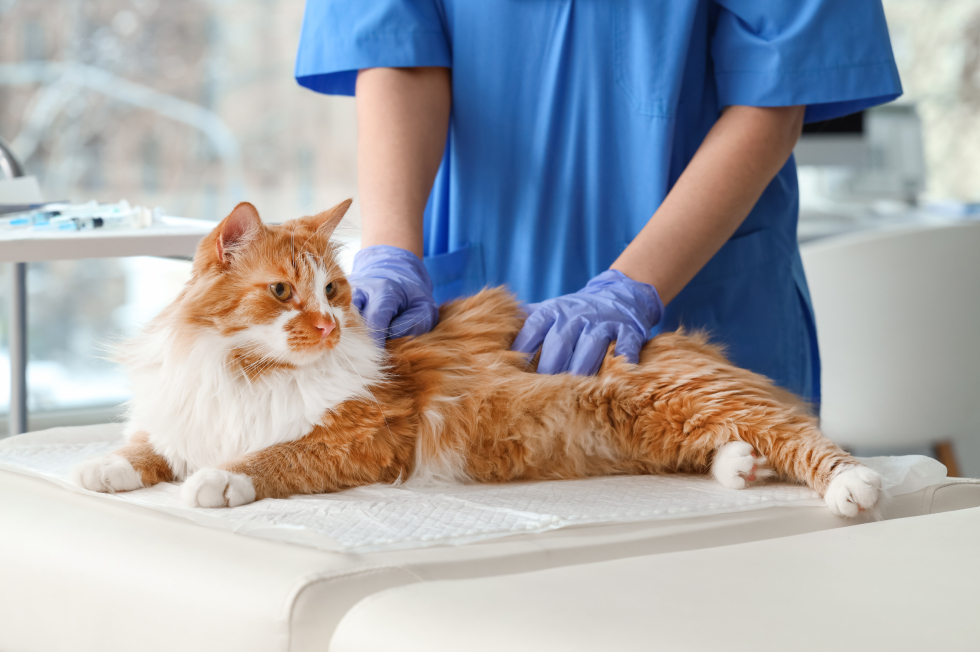
Dietary changes, stress, parasites, or infections are usually what cat diarrhea stems from; however, dehydration can develop quickly within 24-48 hours. Lethargy, dry gums, and skin tenting should be watched for… if symptoms persist beyond 2 days or worsen, your...
Their first vet visit within 48-72 hours of coming home is usually needed by new puppies and kittens, followed by vaccinations every 3-4 weeks until 16 weeks old. Basic training should start immediately; simple commands and house rules can be learned by even...
Between 4-6 months of age, spaying and neutering are usually recommended to prevent unwanted pregnancies and reduce health risks like cancer; the surgery typically takes 30-60 minutes, and full recovery is achieved by most pets within two weeks with proper...
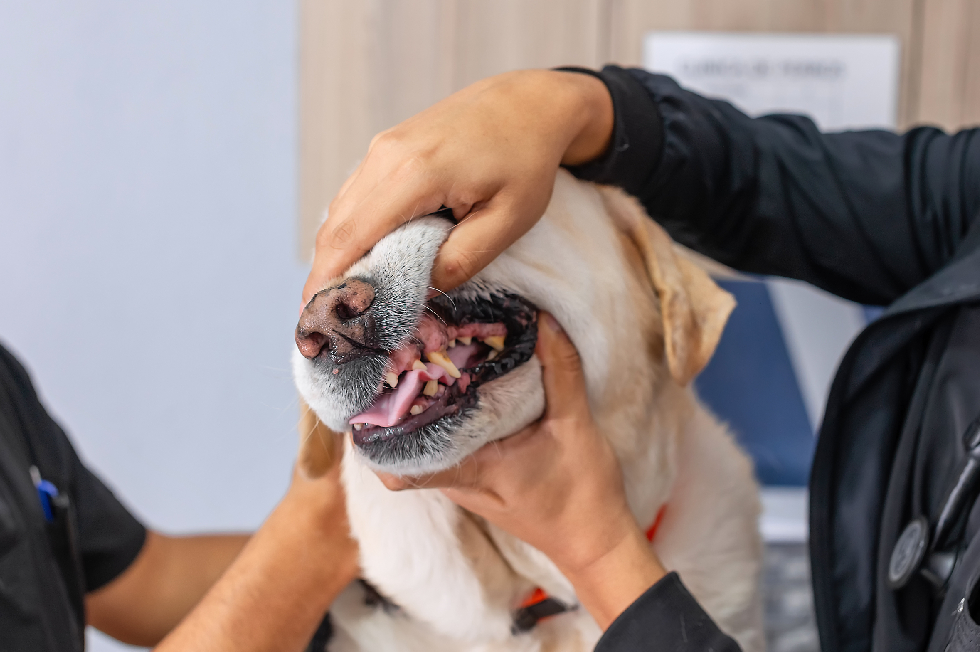
Serious health complications are usually prevented by professional vet dental cleanings, which remove harmful bacteria that can affect your pet’s heart, liver, and kidneys. Anesthesia is typically involved in these cleanings to ensure thorough cleaning below the...
Digestive Troubles Lead the Pack The top reasons pet owners seek veterinary care are consistently ranked by vomiting and diarrhea. Dietary indiscretion, infections, or more serious underlying conditions can be the stem of these symptoms. Quick resolution is achieved...