
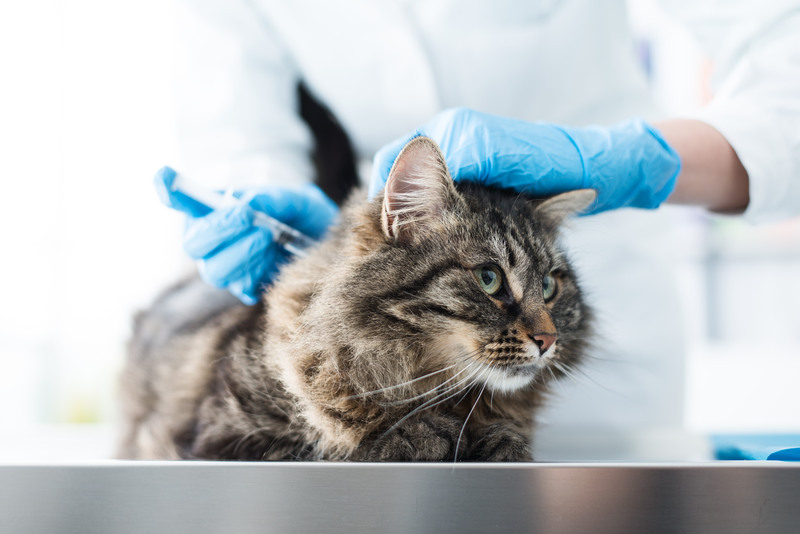
What Are The Differences Between Core and Lifestyle Vaccines?
The non-negotiables are what core vaccines represent. Diseases that are either deadly, highly contagious, or required by law in Ontario are protected against by these vaccines. For dogs, DHPP (distemper, hepatitis, parvovirus, parainfluenza) and rabies are what that means. FVRCP (feline viral rhinotracheitis, calicivirus, panleukopenia) plus rabies is what cats get. Every pet is recommended for these vaccines, regardless of lifestyle. Even that pampered indoor cat who’s never seen a blade of grass needs protection; some viruses can survive on surfaces or be carried indoors on clothing.
Lifestyle Vaccines: What Your Pet Actually Needs
More personalized is how lifestyle vaccines get, in a way. Does your dog visit dog parks or boarding facilities? Important is what Bordetella (kennel cough) becomes. Planning camping trips or hikes around Bowmanville? Lyme disease vaccination might make sense given our tick population. Most lifestyle vaccines are typically skipped by indoor cats, but feline leukemia protection might be needed by outdoor cats. Your pet’s activities, travel plans, and exposure risks will be asked about by your vet. It’s not about selling more vaccines; matching protection to actual risk factors is what it’s about.
Puppy and Kitten Vaccination Schedules
Multiple vaccination rounds are needed by young pets because vaccine effectiveness is interfered with by maternal antibodies. Vaccines are typically started by puppies around 6-8 weeks, then boosters are received every 3-4 weeks until they’re 16 weeks old. 3-4 visits total is what that usually means. A similar schedule is followed by kittens. More than most people realize is how much the timing matters. Too early and the vaccine is blocked by maternal antibodies; too late and your pet stays vulnerable longer. Plus, socialization windows are narrow, so many Bowmanville pet owners feel torn between safety and proper socialization.
Adult Pet Vaccination Timing
More straightforward are adult vaccination schedules. Annually is how most core vaccines are given, though three years after the initial series is how long some rabies vaccines last. What your pet received and when boosters are due will be tracked by your vet. Longer protection periods are offered by some newer vaccines, which is why vaccination records matter so much. If you’re moving to Bowmanville from another area, those records should be brought along. Starting over with a full series isn’t usually necessary, but time and money can be saved by proving previous vaccination.
Cost Considerations and Planning
Vaccination costs add up, especially with multiple pets. $100-200 annually is what core vaccines typically run, with $50-100 more being added by lifestyle vaccines depending on what’s needed. Around $200-300 per pet annually for routine vaccinations and wellness care is budgeted by many Bowmanville pet owners. Package deals or wellness plans that spread costs over monthly payments are offered by some clinics. More upfront is what puppy and kitten series cost but then level off to annual maintenance. It’s worth comparing prices, but vaccine quality and proper storage matter for effectiveness should be remembered.
Making the Right Choice for Your Pet
Different is what every pet’s situation is, to be fair. That’s why cookie-cutter vaccination protocols don’t always work perfectly. Different needs are what your indoor senior cat has than your young hiking dog. Your pet’s lifestyle should be discussed honestly with your vet. Protection with practicality will be balanced by them helping you. Over-vaccination is worried about by some pet owners, while maximum protection regardless of cost is wanted by others. Finding the right balance for your specific situation is what the goal is. If personalized vaccination guidance in Bowmanville is what you’re looking for, visit our website to schedule a consultation with our experienced veterinary team.
FAQ:
Q: Do indoor cats really need vaccines? Yes, core vaccines like FVRCP and rabies are still needed by indoor cats. Shoes or clothing can track viruses in, and even indoor cats sometimes escape. That still surprises people.
Q – What’s the difference between core and non-core vaccines? Diseases that are widespread, severe, or required by law are protected against by core vaccines. Lifestyle factors are what non-core vaccines are based on. Recommendations will be made by your vet based on your pet’s specific risks.
Q: When can I take my puppy outside safely? Waiting until 2 weeks after the final puppy vaccination series is what most vets recommend, usually around 18 weeks old. Time to build full protection is needed by the immune system.
Q: How long do pet vaccines actually last? Look, it varies by vaccine type. 1-3 years is how long rabies can last, DHPP is typically annual, and longer protection periods are offered by some newer vaccines.