
Catching Problems Before They Become Emergencies
Long before your dog stops eating or your cat starts hiding, blood chemistry changes happen. Kidney values creep up gradually; liver enzymes shift over time. By the time obvious symptoms are shown by pets, organs are often significantly damaged. A health timeline that reveals these subtle changes is created by annual bloodwork. Plus, having baseline numbers from healthy years makes it easier to spot real problems later.
What Annual Screening Actually Reveals
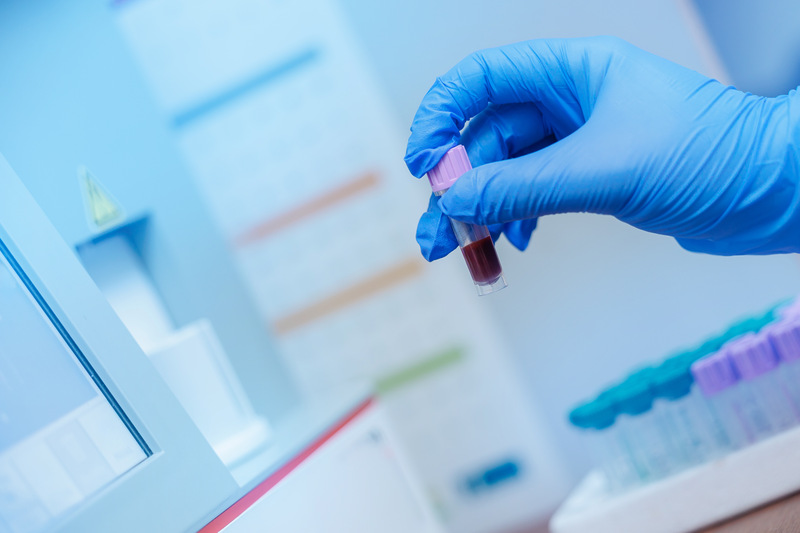
Roughly 25 different markers are examined by a complete blood panel. Through creatinine and BUN levels, kidney function gets measured. In ALT and ALP enzymes, liver health shows up. Blood sugar, protein levels, and electrolyte balance all get checked too. Anemia is revealed by red blood cell counts, while infection or immune issues are indicated by white cell numbers. Part of your pet’s health story is told by each marker, in a way.
The Economics of Prevention
When serious conditions are discovered late, emergency veterinary visits in Bowmanville typically cost $800-2,000. About $200-300 is what annual bloodwork runs, but those crisis situations are often prevented entirely. Roughly $50 monthly in special diet and supplements is what early kidney disease management costs. Daily fluid therapy and hospitalization are required by late-stage kidney failure, and can reach $5,000-8,000 in treatment costs. The math works out pretty clearly.
Age-Specific Screening Recommendations
Annual testing to establish healthy baselines is usually needed by young adult pets. From bloodwork every six months, dogs and cats over seven years old benefit, as age-related diseases accelerate. Multiple conditions simultaneously are often developed by senior pets, making frequent monitoring essential. Genetic predispositions that warrant earlier or more frequent testing are carried by some breeds. Based on your pet’s specific needs, the right schedule can be recommended by your local veterinarian.
Common Conditions Caught Early
Months before increased drinking and urination appear, elevated blood glucose is typically shown by diabetes. When creatinine levels rise, kidney disease gets detected; often while pets still seem perfectly normal. Long before jaundice or appetite loss occurs, liver problems surface through enzyme changes. Energy and weight are affected by thyroid imbalances, but before obvious symptoms develop, blood tests catch them. Even certain cancers release proteins that show up in routine bloodwork.
Making Screening Part of Your Routine
During regular wellness visits, annual bloodwork is scheduled by most pet owners in Bowmanville. Since pets are often more active and any winter weight changes become apparent, spring appointments work well. Package deals that combine vaccinations, physical exams, and laboratory work are offered by some veterinarians. Rather than perfect timing, the key is consistency. Anyway, that’s usually where it clicks for most pet families.
Taking the Next Step
The information needed to keep your pet healthy for years to come is given to you and your veterinarian by regular bloodwork. Simpler treatments and better outcomes for the conditions that matter most are often meant by early detection. If you’re ready to establish a baseline for your pet’s health, visit our website to schedule a comprehensive wellness appointment that includes complete blood chemistry analysis.
FAQ:
Q: What does yearly bloodwork actually check for? Kidney function, liver health, blood sugar levels, and protein markers are typically screened by blood panels. Red and white blood cell counts are also checked by them. A baseline to compare against in future years is given to us by that.
Q – How early can bloodwork detect problems? Look, most conditions show up in blood chemistry months before your pet acts sick. When only 25% of function is lost, kidney disease gets detected. Elevated glucose readings are how early diabetes appears. That still surprises people.
Q: Is bloodwork stressful for pets? Fair point to worry about. The quick blood draw is handled just fine by most pets. The stress is usually minimal compared to the peace of mind you’ll get from the results.
Q – What happens if something abnormal shows up? Serious illness isn’t always meant by abnormal results. Sometimes it’s just a minor infection or dietary issue that’s easily fixed. Follow-up tests or treatment will be recommended by your vet based on what they find.