What Happens During the Initial Check-In Process?
Before you even see the veterinarian, most wellness exams begin. Your pet will be weighed by the veterinary technician and vital signs like temperature and heart rate recorded. This baseline information gets compared to previous visits; any significant changes are spotted this way. In many cases, questions about your pet’s recent behavior, appetite, and bathroom habits are also asked. A complete picture of your pet’s current health status is painted by these details.
Physical Examination From Head to Tail
A systematic approach is followed by the actual hands-on exam that most veterinarians have perfected over years of practice. Your pet’s head will be examined first by your vet, with the eyes checked for clarity and signs of infection or injury. Wax buildup, odors, or inflammation that might indicate problems are what the ears get inspected for. Particular attention is received by dental health since oral issues are commonly overlooked by pet owners. Plus, symptoms in the mouth and gums are where many systemic diseases first show up.
How Are the Heart, Lungs, and Internal Systems Checked?
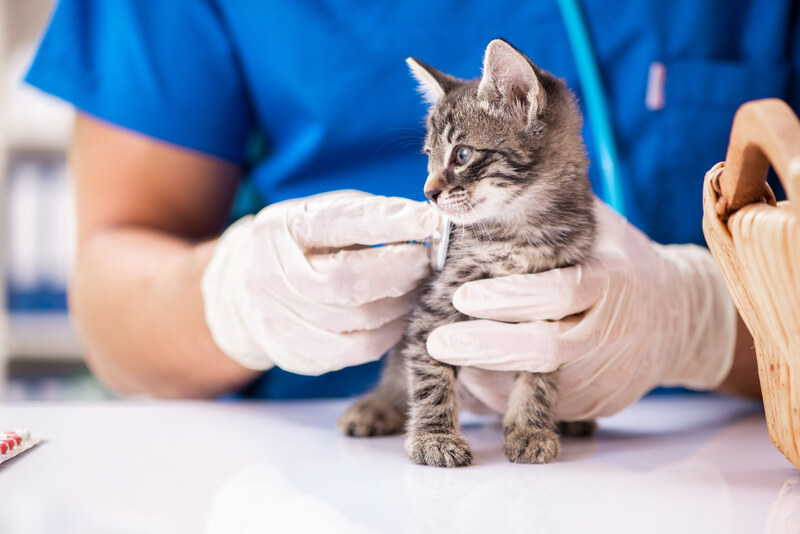
Your pet’s heart and lungs will be listened to by your veterinarian using a stethoscope from several different positions. During this portion of the exam, heart murmurs, irregular rhythms, or abnormal lung sounds can be detected. The abdomen gets palpated to check organ size; any unusual masses or areas of discomfort are detected this way. From what we’ve seen, pets often relax during this gentle handling once they realize it doesn’t hurt.
Musculoskeletal and Neurological Assessment
How your pet moves and stands will be observed by your vet, looking for signs of arthritis, muscle weakness, or neurological issues. Joint flexibility gets tested, especially in older animals where arthritis commonly develops. The nervous system’s proper functioning is ensured by checking reflexes. Your pet’s mental alertness and response to stimuli are assessed quickly to round out this portion. Oddly enough, the gentle manipulation of their joints actually seems to be enjoyed by some pets.
What Preventive Care Will Be Discussed During the Exam?
A conversation about your pet’s ongoing care needs concludes the exam. Vaccination schedules get reviewed and updated based on your pet’s lifestyle and risk factors. Flea, tick, and heartworm protection appropriate for your area are among the parasite prevention strategies that are discussed. As pets age, nutritional needs often change, so diet recommendations frequently come up during these discussions. If any changes at home have been noticed, I suppose behavioral concerns can also be addressed.
Laboratory Work and Additional Testing
Blood work or other diagnostic tests might be recommended by your veterinarian depending on your pet’s age and health status. Baseline values for future comparison are established by annual blood panels and early signs of kidney, liver, or other organ dysfunction can be detected. Intestinal parasites that might not be visible to the naked eye are checked for through fecal examinations. Valuable information that isn’t always apparent during the physical exam alone is provided by these tests.
Wrapping Up and Next Steps
Their findings will be summarized by your veterinarian before you leave, and recommendations for your pet’s continued care provided. Any necessary medications or treatments will be prescribed, and follow-up appointments scheduled if needed. Written summaries or care instructions to take home with you are provided by most clinics. If you have questions about your pet’s health or need to schedule future care, our team at Animal Clinic of East Durham is here to help. Visit our website to learn more about our comprehensive wellness services.
FAQ
Q: How often should my pet have a wellness exam? Look, annual exams are needed by most healthy adult pets. Visits every six months often benefit senior animals or those with chronic conditions. The right schedule will be recommended by your vet based on your pet’s individual needs. That still surprises people.
Q: What should I bring to the appointment? Fair point to ask ahead of time. Any current medications should be brought, along with a fresh stool sample if requested, and a list of questions or concerns. Previous medical records are helpful if a new clinic is being visited.
Q: Will my pet need vaccinations every visit? Not necessarily every single time. Your pet’s age, lifestyle, and local disease risks determine vaccination schedules. Some vaccines are given annually while others last three years or longer.
Q: How much does a routine wellness exam typically cost? Costs vary by location and clinic, but basic exams usually range from $50-150. The total will be increased by additional services like vaccinations or lab work. Wellness packages that bundle common services are offered by many clinics.