
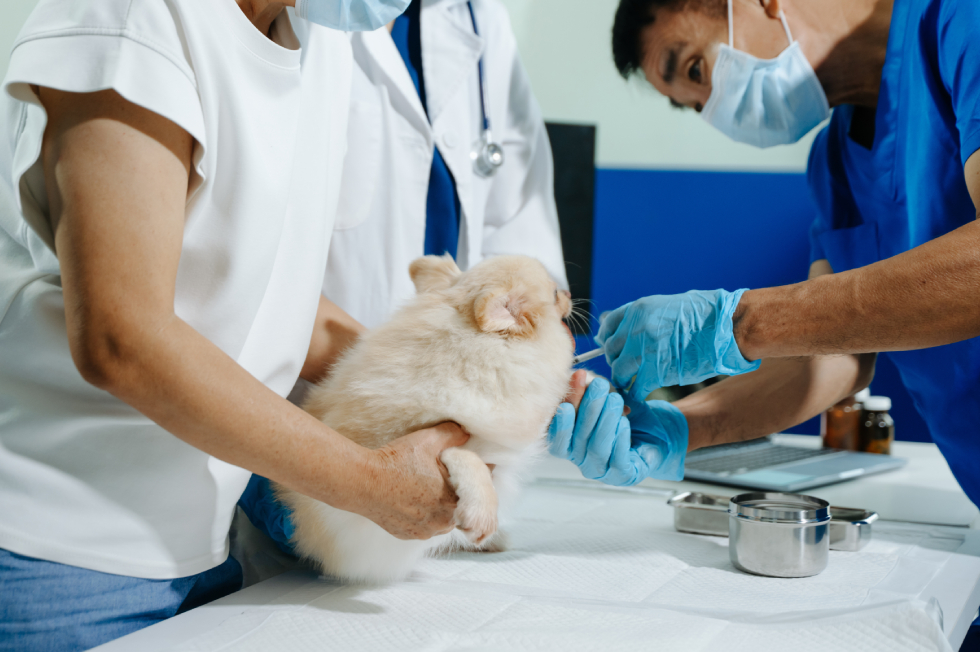
Pet emergencies usually involve breathing problems, severe bleeding, unconsciousness, or signs of extreme pain. Other urgent situations include difficulty urinating, pale gums, repeated vomiting, seizures, or suspected poisoning; these symptoms are typically treated by veterinary professionals within hours rather than days.
Fast Facts:
- Over 67% of pet emergencies are experienced outside regular veterinary hours
- Chocolate toxicity affects dogs within 6-12 hours of ingestion
- Bloat in large dogs can become fatal within 2-6 hours without treatment
- Pain is hidden naturally by cats, making emergency recognition more challenging
- Emergency vet visits cost 3-5 times more than regular appointments
Recognizing Breathing Emergencies
Respiratory distress shows up differently across species, but the urgency remains consistent. Dogs might pant excessively without heat or exercise; cats often breathe with their mouths open. Oxygen deprivation is indicated by blue or pale gums. These situations are treated as critical emergencies by veterinary professionals. From what we’ve seen, pet owners sometimes mistake normal panting for distress, but true breathing problems usually involve visible struggle or unusual positioning.
Gastrointestinal Warning Signs
Vomiting becomes concerning when it’s repeated, contains blood, or occurs alongside other symptoms. Internal bleeding is suggested by diarrhea with blood or a tarry appearance. Bloat in large dogs presents as a swollen, hard abdomen with unsuccessful attempts to vomit. These conditions can deteriorate rapidly. Plus, many pets try to hide their discomfort; early detection becomes challenging for owners.
Neurological Symptoms That Demand Action
Immediate veterinary assessment is required for seizures, sudden blindness, or loss of coordination. Head trauma from falls or accidents. Unusual behavior changes or disorientation. These symptoms are often linked to serious underlying conditions that need professional evaluation. Yet some neurological signs can be subtle, especially in cats who naturally hide illness.
Trauma and Injury Assessment
Visible wounds, suspected fractures, or any accident involving a vehicle warrants emergency care. Internal injuries aren’t always obvious immediately after trauma. Eye injuries, even minor-looking ones, can lead to permanent damage without prompt treatment. Pet owners in Bowmanville often underestimate the severity of seemingly small injuries. But veterinary teams prefer to evaluate trauma cases sooner rather than later.
Poisoning and Toxic Exposures
Common household items like chocolate, grapes, or certain plants can be toxic to pets. Symptoms might include vomiting, diarrhea, lethargy, or unusual behavior. Time matters significantly with poisoning cases. The sooner treatment begins, the better the outcome typically becomes. According to available data, many toxic exposures are preventable with proper pet-proofing.
Pain Recognition Across Species
Dogs might whimper, pant, or become restless when experiencing severe pain. Cats often hide, stop eating, or change their normal routines. Reluctance to move, hunched posture, or aggressive behavior when touched. These signs are evaluated carefully by veterinary professionals. Pain assessment can be tricky, I suppose, since pets express discomfort differently than humans expect.
When to Contact Your Veterinary Team
Your instincts as a pet owner should be trusted. If something seems seriously wrong, it probably warrants professional evaluation. Emergency situations don’t always wait for convenient hours. After-hours guidance or emergency services are offered by many veterinary clinics. For pet owners seeking immediate veterinary care, comprehensive emergency services are provided by the Animal Clinic of East Durham. Visit our website to learn more about our urgent care options and contact information.
Mini-FAQ:
Q: How do I know if my pet’s vomiting is an emergency? Blood in the vomit should be looked for, along with repeated episodes over several hours, or vomiting paired with lethargy and loss of appetite. Single episodes are usually monitored at home. Multiple episodes with other symptoms are typically treated as urgent situations.
Q: What breathing problems require immediate attention? Gasping, blue-tinged gums, or struggling to breathe are clear emergencies. Open-mouth breathing in cats. Excessive panting without heat or exercise. These signs are handled as critical cases by veterinary teams.
Q: Are seizures always emergencies? Fair point. First-time seizures or seizures lasting longer than 5 minutes require immediate care. Multiple seizures in one day. Known epileptic pets might be monitored differently based on their history.
Q: What about eye injuries? Any trauma to the eye, sudden blindness, or visible damage needs urgent attention. Eyes are delicate structures. Even minor-looking injuries can become serious complications quickly.