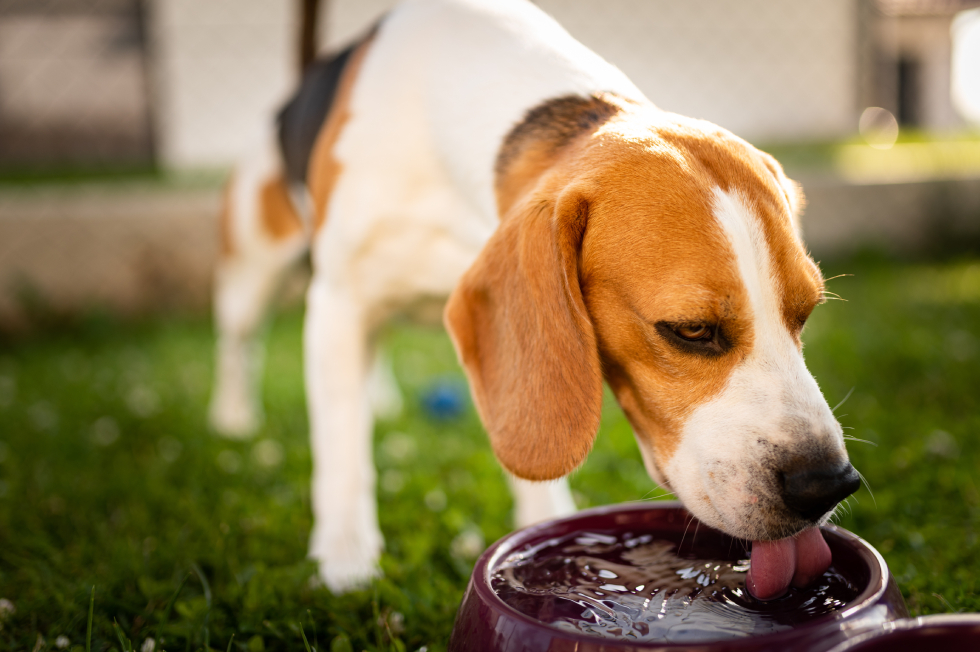
An underlying health issue is usually signaled by increased thirst in pets when it persists for more than 2-3 days; this symptom is commonly caused by conditions like diabetes, kidney disease, or infections. Your pet’s water intake should be monitored, and your veterinarian should be contacted if consumption roughly doubles from normal levels.
Fast Facts:
- Normal water intake ranges from 0.5-1 ounce per pound of body weight daily
- Diabetes affects approximately 1 in 300 dogs and 1 in 230 cats
- Kidney disease impacts up to 15% of senior pets over age 10
- Certain medications can increase thirst by 200-400%
- Hot weather can temporarily double normal water consumption
Recognizing Normal vs. Excessive Water Intake
Their animal’s daily water consumption isn’t measured by most pet owners until something seems off. Roughly one ounce per pound of body weight is consumed each day by a healthy dog, while slightly less is needed by cats. These numbers are influenced by diet, activity level, and environmental factors, though. More water is naturally consumed by pets fed dry kibble than those eating wet food. Plus, thirst is temporarily increased by a morning jog or afternoon play session. When increased drinking becomes a pattern rather than a response to immediate circumstances should be recognized as the key factor.
Common Medical Causes Behind Increased Thirst
Both dogs and cats are affected by diabetes mellitus, which causes excessive urination and compensatory drinking. Glucose can’t be properly processed by the body; this leads to frequent bathroom trips and constant thirst. Kidney disease presents similarly but is developed more gradually over time. Waste filtering and fluid balance maintenance are handled by these organs. When they’re compromised, more water is consumed by pets to help flush toxins from their system. Metabolism is sped up and water needs are increased by hyperthyroidism, particularly common in older cats. Different treatment approaches are required by each condition; proper diagnosis becomes essential.
Age-Related Factors and Senior Pet Considerations
Higher risks for conditions that increase thirst are faced by senior pets. With age, kidney function naturally declines, and diabetes becomes more prevalent in older animals. Subtle changes that develop over months rather than days are noticed by many Bowmanville pet owners. Water consumption might be gradually increased by an 8-year-old golden retriever as early kidney disease progresses. Normal aging is often blamed for the changes until they become pronounced. These issues are helped to be caught by regular wellness exams before they become severe. Early kidney changes that aren’t yet visible through behavior alone are revealed by blood work.
Environmental and Dietary Influences
Pet water consumption is naturally increased by hot summer days in Bowmanville. Thirst levels are also affected by air conditioning, heating systems, and low humidity. Drinking patterns can be temporarily altered by salty treats, new medications, or diet changes. Habits around water bowls are developed by some pets, with more drinking when bowls are freshly filled or moved to new locations. The picture is complicated by these factors when trying to determine if increased thirst signals a health problem. A water diary should be kept for several days to establish baseline consumption before worrying about medical causes. Interesting how that works.
Medications and Their Side Effects
Thirst is increased as a side effect by certain medications commonly prescribed to pets. For allergies, arthritis, and inflammatory conditions, steroids like prednisone are frequently prescribed. Kidney function and hormone levels are affected by these drugs, leading to increased urination and drinking. Water consumption is also influenced by diuretics, seizure medications, and some antibiotics. About these effects, pet owners should be informed when medications are prescribed. Once the medication course is completed, the increased thirst usually resolves, but monitoring remains important during treatment.
When to Contact Your Veterinarian
Your pet’s water intake should be documented for 2-3 days before calling your veterinarian. The amount you put in their bowl should be measured, and what remains at day’s end should be subtracted. Any accompanying symptoms like changes in appetite, energy level, or bathroom habits should be noted. This information is preferred by most veterinarians in Bowmanville when scheduling appointments for potential health concerns. Better outcomes are often led to by early intervention, particularly with conditions like diabetes or kidney disease. For symptoms to worsen before seeking professional guidance shouldn’t be waited for. A consultation should be scheduled by visiting our website, and your pet can get the care they deserve.
Mini-FAQ:
Q: How much water is too much for my pet? Look, if your dog or cat is drinking more than twice their normal amount consistently, that’s worth investigating. Twenty-five to fifty ounces are typically consumed daily by a 50-pound dog. Most veterinarians flag anything beyond that range.
Q: What health conditions cause excessive thirst? The list is topped by diabetes, kidney disease, and hyperthyroidism. Common triggers are also considered to be infections and certain medications. Cushing’s disease and liver problems are less obvious causes.
Q: Should I restrict my pet’s water access? Water should never be restricted unless specifically directed by your veterinarian. Immediate risks are posed by dehydration. Instead, consumption patterns should be measured and tracked over several days.
Q: When is it an emergency? Immediate care should be sought if excessive thirst comes with vomiting, lethargy, or difficulty urinating. Otherwise, an appointment should be scheduled within a few days of noticing the change.