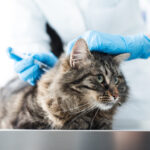

Recognizing the Warning Signs
More than just a bad day is often what sudden changes in your pet’s personality signal. Underlying discomfort is usually what these shifts indicate when a normally social cat starts hiding under the bed or a friendly dog becomes snappy with family members. Differently in animals than humans is how pain gets expressed. Their stomach hurts or their joints ache can’t be told to us by them. Their primary communication method is what behavioral changes become instead.
Eating and Drinking Pattern Changes
Among the most reliable indicators of medical problems are what appetite shifts represent. Dental pain or nausea might be what a pet that suddenly becomes picky about food they’ve eaten for years is experiencing. Kidney issues, diabetes, or other metabolic conditions are often what increased water consumption signals. From what we’ve seen in Bowmanville, valuable diagnostic information is given to their veterinarians by pet owners who track these changes early. I suppose it makes sense.
Sleep and Activity Level Shifts
Important stories about your pet’s health are what energy changes tell. Arthritis or heart problems could be what a typically active dog that starts sleeping most of the day is developing. Pain or anxiety is often what restlessness and inability to settle indicate, conversely. Because they develop gradually, these patterns get overlooked easily; but trends that matter are what consistent monitoring reveals.
Social Behavior and Interaction Changes
From normal social interactions, pets experiencing medical issues often withdraw. Sensitivity in certain areas might be what a cat that stops purring when petted has developed. Pain they can’t express verbally could be what dogs that avoid their favorite activities are managing. What veterinarians ask about during examinations are frequently these subtle shifts in affection and engagement patterns as the first signs. In a way, they’re communicating through withdrawal.
Bathroom Habit Modifications
Medical concerns rather than behavioral problems are almost always what changes in elimination habits indicate. Urinary tract infections, digestive issues, or other medical conditions are typically what accidents in house-trained pets, straining, or changes in frequency signal. As early indicators of age-related health problems, these symptoms are especially what senior pets show.
When to Seek Professional Help
Your instincts about your pet’s normal behavior patterns should be trusted. Better than anyone else, you know your animal. If something feels off, it probably is. That early intervention prevents minor issues from becoming major health problems is what veterinarians near me often tell pet owners. Pet owners are encouraged by the Animal Clinic of East Durham to call with concerns rather than wait and worry. To schedule a consultation and get the peace of mind you and your pet deserve, visit our website.
FAQ:
Q: How long should I wait before calling a vet about behavior changes? Generally speaking, professional attention is deserved by persistent changes lasting more than 48-72 hours. Brief mood shifts happen. But early warning signs that shouldn’t be ignored are often what sustained changes in appetite, energy, or social behavior turn out to be.
Q – What’s the difference between behavioral and medical issues? Look, triggers you can identify are usually what behavioral problems have. More suddenly and affecting multiple areas at once is how medical issues tend to appear. Joint pain might be what’s developing in a dog that stops greeting you at the door, not just getting moody.
Q: Are senior pets more likely to show behavioral symptoms? Fair point to ask. Physical discomfort through behavioral changes first is often how older pets mask what they’re feeling. Less social they might become, or their sleeping spots might be changed to avoid pain. That still surprises people.
Q: Should I try behavioral training first or see a vet? Funny enough, medical problems are actually what many training issues stem from. If accidents or aggression suddenly start happening with your normally well-behaved pet, medical causes should be ruled out first. A urinary tract infection won’t be fixed by training.