
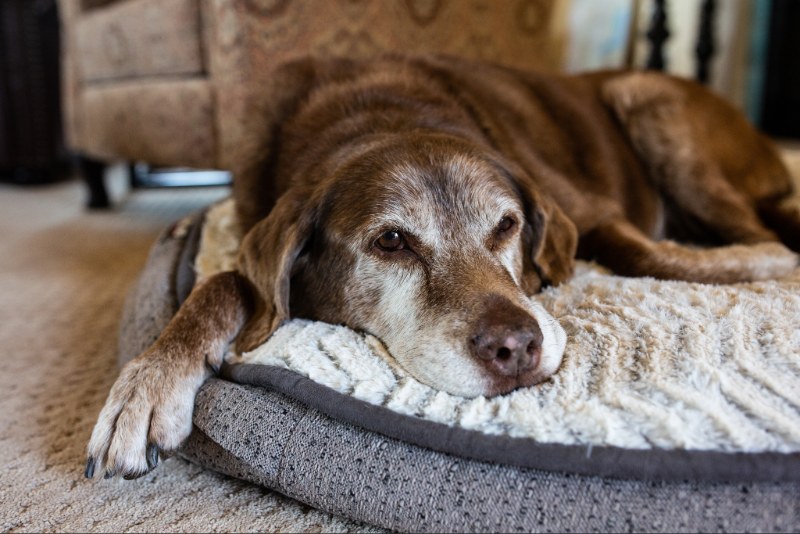
Recognizing the Subtle Early Signs
Aging indicators in pets are usually missed at first. An extra second might be taken by your dog to get up from their bed. Your cat might skip jumping onto the counter once or twice. These moments seem minor, but something bigger is often what they’re the beginning of.
Pet owners in Bowmanville frequently tell us these early changes should have been noticed sooner by them. Her golden retriever started hesitating before going upstairs, one client mentioned. Laziness was what she thought it was. Early arthritis was developing, as it turns out.
Changes in Eating and Drinking Habits
Red flags that get overlooked are what appetite shifts are. Less food might be eaten by senior pets because their sense of smell decreases. Or more water might be consumed due to kidney changes. I suppose both patterns deserve attention.
Food texture becomes something some pets get pickier about. Chewing hard kibble becomes difficult. Eating faster or slower than usual is what others start doing. These changes are often gradual; they’re easy to miss until obvious they become.
Mobility and Movement Issues
Stiffness after rest periods is common in aging pets. Slowly they might move in the morning but seem fine later. Joint problems developing is what this pattern suggests. A huge difference is made by early intervention.
Limping that comes and goes should be watched for. Stairs are used with reluctance. Getting in and out of cars becomes difficult. “Just getting older” is what these signs are often dismissed as, but treatment options exist that can help significantly.
Sleep Pattern Changes
More sleep is typically what senior pets get, but their sleep quality changes too. Restless at night they might seem. Or so deeply they could sleep that you calling isn’t heard by them. Health issues can be indicated by both extremes.
Day and night schedule confusion is developed by some pets. Proper care can make this cognitive change manageable. Recognizing it early and working with your vet to address it is the key. Funny thing, really.
Bathroom Habit Modifications
Accidents by house-trained pets are never just about age. The cause could be kidney problems, arthritis, or cognitive issues. When caught early, these problems are treatable.
Frequency changes matter too. Serious conditions can be signaled by more frequent urination or straining to go. These changes being inevitable parts of aging shouldn’t be assumed.
Behavioral and Cognitive Shifts
Senior pets often have personality changes that are overlooked. A social cat becoming withdrawn. Anxious behavior from a calm dog. Pain or cognitive decline can be indicated by these shifts.
Another warning sign is confusion about familiar routines. Getting lost in the house they’ve lived in for years. Where their food bowl is located being forgotten. Professional evaluation is warranted by these changes.
Creating a Senior Pet Care Schedule
Changes are helped to be caught early by regular monitoring at home. Gradual loss or gain can be revealed by weekly weight checks. Joint health is helped to be tracked by monthly mobility assessments. A big difference is made by simple observations.
Working with a local vet who understands your pet’s history is invaluable. Subtle changes during routine exams can be spotted by them that you might miss at home. Plus, emergency situations are made less stressful for everyone involved by having that established relationship. Visit our website to learn more about senior pet care options.
FAQ:
Q: How often should I take my senior pet for checkups? Six months is what’s recommended for most senior pets. Problems are helped to be caught early by that frequency. More frequent visits might be suggested by your vet depending on existing conditions.
Q: What are the first signs my pet is getting older? Subtle changes should be looked for first. More sleeping than usual. Walks are moved through a bit slower. Maybe furniture isn’t being jumped on like before. These small shifts happen gradually.
Q: What if my senior pet seems perfectly healthy? Fair point; hidden issues can still be had by healthy-looking pets. Problems you can’t see are revealed by blood work. Kidney disease, diabetes, and heart conditions develop silently. That still surprises people.
Q: Should I change my senior pet’s diet? Different nutrition is often needed by senior pets. Their metabolism slows down. Over time, digestive systems become more sensitive. The best food options can be recommended by your vet.