
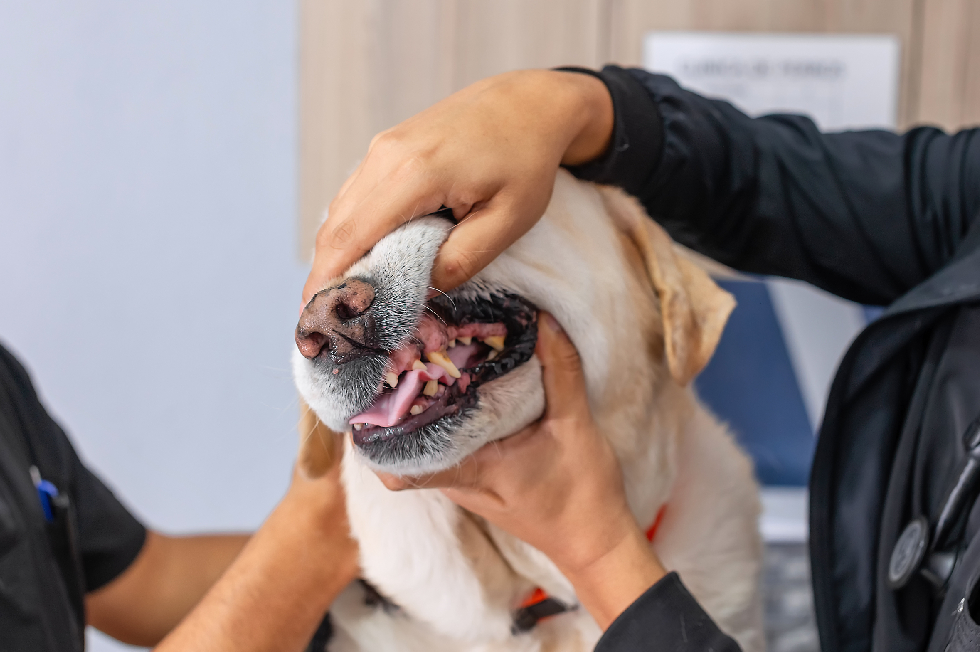
Serious health complications are usually prevented by professional vet dental cleanings, which remove harmful bacteria that can affect your pet’s heart, liver, and kidneys. Anesthesia is typically involved in these cleanings to ensure thorough cleaning below the gum line; something that’s impossible to achieve with at-home care alone. Your pet’s overall health is maintained by regular professional cleanings, and their lifespan can be extended.
Fast Facts:
- 80% of dogs and 70% of cats show signs of dental disease by age 3
- Dental bacteria can reduce a pet’s lifespan by 2-3 years if left untreated
- Professional cleanings cost significantly less than treating organ damage from dental disease
- Pets with clean teeth typically have 15% fewer systemic health issues
- Small breed dogs need dental cleanings more frequently than larger breeds
The Hidden Connection Between Teeth and Total Health
A gateway to their entire body is served by your pet’s mouth. Bacteria from dental disease don’t stay put; they travel through the bloodstream and can settle in organs throughout your pet’s system. The heart, liver, and kidneys are particularly vulnerable to this bacterial invasion.
Secondary health problems within 2-3 years are often developed by pets with severe dental disease, research shows. But the good news is that most of these complications can be prevented by professional cleanings. It’s one of those preventive measures that, I suppose, pays dividends over time.
What Happens When Dental Disease Goes Untreated
Pockets where bacteria thrive and multiply are created by tartar buildup. Toxins that are absorbed into your pet’s bloodstream are produced by these bacteria. Over time, stress on vital organs is put by this constant bacterial load.
Heart disease, kidney problems, and liver dysfunction can all stem from untreated dental issues. Plus, your pet’s quality of life is affected by the chronic pain from dental disease in ways that aren’t always obvious. They might eat less, play less, or seem generally uncomfortable.
Why Home Care Isn’t Enough
Brushing your pet’s teeth helps, but the gum line where the most dangerous bacteria hide can’t be reached by it. Specialized tools to remove tartar from areas that home care simply can’t access are used by professional cleanings.
Ultrasonic scalers and hand instruments designed specifically for pet mouths are included in veterinary dental equipment. Polishing teeth and examining each tooth individually is also involved in the cleaning process. From what we’ve seen, most pet owners are surprised by how much tartar is removed during a professional cleaning.
The Professional Cleaning Process
A thorough examination and cleaning without causing stress or injury to your pet is allowed by anesthesia. Your pet’s health for the procedure is ensured by pre-anesthetic bloodwork.
During the cleaning, tartar above and below the gum line is removed. Problems that aren’t visible during a regular exam are often revealed by dental X-rays. The entire process typically takes 1-2 hours; your pet’s needs determine this. Interesting how that works.
Recognizing When Your Pet Needs Dental Care
The first sign most pet owners notice is usually bad breath. Yellow or brown tartar buildup, red or swollen gums, and difficulty eating are other common indicators.
Less social behavior or discomfort when their mouth is touched is shown by some pets. If dental pain makes eating difficult, weight loss can occur. In many cases, their discomfort is hidden quite well by pets, which is why regular veterinary exams are so important.
Cost Considerations and Long-Term Value
A significant investment in your pet’s health is represented by professional dental cleanings. Your pet’s size, the extent of dental disease, and whether extractions are needed determine the cost variation.
However, far more than preventive cleanings is cost by treating the organ damage caused by untreated dental disease. Heart medications, kidney treatments, and other therapies can run into thousands of dollars. Prevention really is more affordable than treatment, to be fair.
Making the Right Choice for Your Pet
Different dental needs are had by every pet. The recommended cleaning schedule is factored into by age, breed, size, and overall health. More frequent cleanings than larger dogs are often needed by small breeds.
Your pet’s individual situation can be assessed by your veterinarian, and an appropriate care plan can be recommended. If you’re in the Bowmanville area and have concerns about your pet’s dental health, the best decisions can be helped by professional guidance. Visit our website to learn more about keeping your pet healthy and comfortable.
Mini-FAQ:
Q: How often should my pet get professional dental cleanings? Annual cleanings are beneficial for most pets, though some may need them every 6-8 months. More frequent attention is often required by small breeds and senior pets. Your pet’s individual needs can be assessed by your vet during regular checkups.
Q: What happens during a professional dental cleaning? Look, it’s more thorough than most people expect. Anesthesia is given to your pet for safety and comfort. Tartar above and below the gum line is then removed by the vet, teeth are polished, and the mouth is examined for problems. Hidden issues are often checked for with X-rays.
Q: Is anesthesia really necessary for dental cleanings? Fair point – many pet owners worry about this. Complete cleaning and examination without stress or injury is allowed by anesthesia. When proper pre-surgical screening is performed, modern anesthetic protocols are quite safe. That still surprises people.