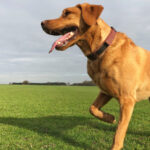

Three key components are usually involved in maintaining your pet’s healthy weight: portion-controlled feeding, regular exercise, and consistent monitoring. Roughly 20-30 minutes of daily activity are needed by most pets; dietary adjustments often make the biggest difference, however. Weight changes are caught early through regular weigh-ins, while personalized guidance for your pet’s specific needs is provided by consulting with your veterinarian.
Fast Facts:
- Over 56% of dogs and 60% of cats are overweight or obese
- Even 10% excess weight can reduce a pet’s lifespan by up to 2 years
- Most pets need 2-3 measured meals daily rather than free feeding
- Weekly weigh-ins catch weight changes before they become problematic
- Indoor cats typically need 20% fewer calories than outdoor cats
Understanding Your Pet’s Ideal Weight
Different ideal weight ranges are had by every pet, and only part of the story is told by breed standards. A more accurate assessment than numbers on a scale is provided by body condition scoring. A 9-point system that evaluates fat coverage over ribs, waist definition, and abdominal tuck is used by veterinarians. From what we’ve seen, their animal’s weight is underestimated by most pet owners by 10-15%. Baseline measurements are helped to be established through regular body condition checks. Plus, more serious health complications down the road are prevented by catching weight changes early.
Creating a Feeding Schedule That Works
Free feeding is beaten by scheduled feeding in almost every situation. Two meals daily work well for most adult dogs, while three smaller portions are often preferred by cats. Kitchen scales provide better portion control since measuring cups aren’t always accurate for kibble. Starting points, not absolute requirements, are what the feeding guidelines on pet food bags represent. More calories might be needed by active pets, while fewer are typically needed by senior or less active animals. In many cases, 20-30% of daily calories are accounted for by treats without owners realizing it; funny thing, really.
Exercise Strategies for Different Pets
Both physical activity and mental stimulation are needed by dogs to maintain healthy weights. Walking remains the foundation, but variety is added by swimming, fetch, and agility training. Different approaches are required by cats since they’re natural sprinters rather than endurance athletes. Movement throughout the day is encouraged by interactive toys, laser pointers, and climbing structures. Gentler activities like slow walks or supervised swimming are benefited from by senior pets. Outdoor time can be limited by weather conditions in Bowmanville, so exercise routines are kept consistent year-round by having indoor backup plans.
Monitoring Progress and Adjustments
Progress is helped to be tracked through weekly weigh-ins without obsessing over daily fluctuations. 1-2% of body weight per week should be lost by most pets during active weight management. Visual changes that scales might miss are shown by progress photos taken from the same angles. Patterns that contribute to weight gain or loss are revealed by food diaries. Adjustments get made based on results, not rigid adherence to initial plans. Weight is lost quickly by some pets while months are needed by others to reach target weights.
Common Challenges and Solutions
The best weight management plans are often derailed by begging behaviors. Mixed messages about treats and table scraps are prevented by consistent family rules. Additional complications are created by multiple pet households since eating patterns are affected by food guarding and competition. Modified exercise routines that don’t worsen joint pain are needed by senior pets with arthritis. Weight loss can be slowed by medical conditions like hypothyroidism despite proper diet and exercise. That’s where professional veterinary guidance becomes particularly valuable, to be fair.
When to Seek Professional Help
Immediate veterinary attention is warranted by rapid weight loss or gain. Underlying health issues might be had by pets losing more than 3% of body weight weekly. Weight-related complications that are already developing are suggested by breathing difficulties, lethargy, or mobility problems. Objective assessments and personalized recommendations are provided by regular check-ups with veterinarians near you. Normal variations are helped to be distinguished from concerning trends through professional guidance. If you’re concerned about your pet’s weight or need personalized advice, visit our website to schedule a consultation with our experienced team.
Mini-FAQ:
Q: How do I know if my pet is overweight? Look, the easiest test is the rib check. Your pet’s ribs should be felt without pressing hard, but they shouldn’t be visible. A visible waist when viewed from above is another good sign. That defined waistline is often lost by overweight pets.
Q: What’s the biggest mistake pet owners make with feeding? Free feeding gets mentioned a lot. Portion control is made nearly impossible when food is left out all day, and multiple pets complicate things further. Measured meals are recommended by most veterinarians. That still surprises people.
Q: Can I use human food for weight management? Fair point, but hidden calories and ingredients that aren’t great for pets are often contained in human food. Some vegetables like carrots work as low-calorie treats. Commercial pet foods are formulated specifically for nutritional balance.
Q: How much exercise does my pet actually need? 30-60 minutes daily are needed by most dogs, depending on breed and age. Cats benefit from 10-15 minutes of active play sessions. More structured activity is typically needed by indoor pets since natural movement throughout the day isn’t gotten by them.