
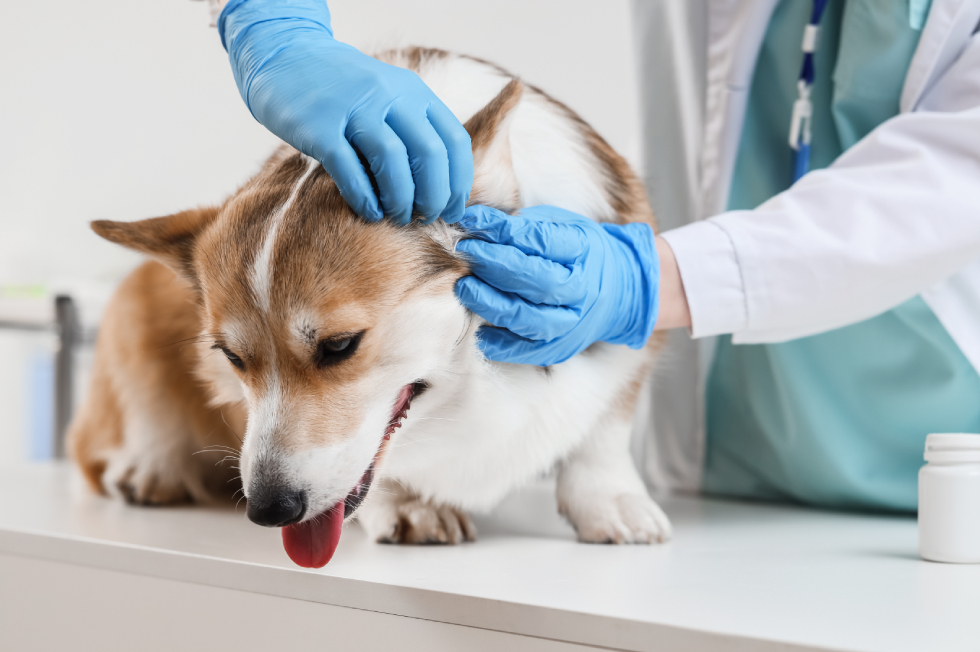
Monthly treatments for fleas and ticks are usually involved in parasite prevention in Bowmanville, plus regular deworming schedules; most pets benefit from year-round protection given our climate. Active infestations are generally more expensive and difficult to treat than preventive medications… and the best approach for your specific pet can be recommended by your local vet.
Fast Facts:
- Up to 50 eggs per day can be laid by fleas on your pet
- Ticks in Bowmanville are most active from April through October
- 85% of puppies and kittens are affected by internal worms
- Monthly prevention costs roughly $15-40 depending on pet size
- Diseases can be transmitted to humans by some parasites
When Parasites Become Active in Bowmanville
Increased parasite activity is brought by spring across Durham Region. Flea reproduction starts when temperatures hit 13°C consistently; this happens earlier than most pet owners expect. Ticks become active around the same time, often appearing in wooded areas and tall grass where many Bowmanville families walk their dogs.
Indoor pets aren’t automatically safe, though. Homes can be entered by fleas on clothing, other pets, or even through open doors. Once inside, I suppose, breeding cycles are established that continue year-round in heated environments.
Understanding Flea Life Cycles
Only about 5% of the total flea population in any given area is represented by adult fleas. Eggs, larvae, and pupae developing in carpets, bedding, and outdoor spaces consist of the remaining 95%. This explains why the problem isn’t solved completely by treating only the adult fleas on your pet.
Egg laying begins within 24-48 hours of finding a host by female fleas. These eggs fall off your pet and develop in the environment over 2-8 weeks, depending on temperature and humidity. Ideal conditions for this cycle during warmer months are provided by Bowmanville’s climate.
Tick Prevention and Disease Risks
Lyme disease, Rocky Mountain spotted fever, and other conditions that affect both pets and humans can be carried by ticks in our area. The blacklegged tick, commonly found in Bowmanville parks and trails, is particularly concerning because it’s small and difficult to spot.
Disease transmission can be prevented when regular tick checks after outdoor activities help catch them beforehand. 24-48 hours of attachment are required by most tick-borne diseases to transmit, so good protection is provided by daily grooming and inspection. Plus, this routine is found by many pet owners to help them bond with their animals.
Internal Parasites: Worms You Can’t See
Pets are affected differently by roundworms, hookworms, and tapeworms, but some common characteristics are shared. Contaminated soil, infected prey, or flea ingestion often transmits them. Roundworm infections are frequently born with or quickly acquired from their mothers by puppies and kittens.
No obvious symptoms are shown initially by many worm infections. Advanced infestations that have been developing for weeks or months are indicated by weight loss, diarrhea, or visible worms in stool. These problems are caught early by regular fecal testing, before your pet’s health is impacted significantly.
Choosing the Right Prevention Products
Broader protection and longer-lasting effects are typically offered by prescription preventatives than store-bought alternatives. Flea, tick, and heartworm prevention are combined by some products in single monthly doses; scheduling for busy pet owners is simplified by this approach.
Which products work best is influenced by your pet’s lifestyle. Different protection levels are needed by indoor cats than outdoor dogs who frequent Bowmanville’s hiking trails. Treatment decisions are also factored into by age, health status, and previous parasite exposure.
Creating Year-Round Protection Plans
Better results are produced by consistent prevention than seasonal approaches in our climate. Even during winter months, environments where fleas can complete their life cycles are provided by heated homes. Active status can be maintained by ticks during mild winter days when temperatures rise above freezing.
Success is found by many Bowmanville pet owners with calendar reminders for monthly treatments. Automatic refill programs that help maintain consistent protection schedules are offered by some veterinary clinics. Anyway, that’s usually where it clicks for most families.
Working with Your Veterinarian
The various prevention options available today can be navigated with professional guidance. Your pet’s specific risk factors can be assessed by your vet, and appropriate products can be recommended based on local parasite patterns and your pet’s individual needs.
Prevention strategies can be monitored and adjusted as needed through regular check-ups. If expert parasite prevention advice tailored to Bowmanville’s specific challenges is what you’re looking for, visit our website to learn more about our comprehensive pet care services.
Mini-FAQ:
Q: How often should I give my pet parasite prevention? Monthly schedules work best for most preventive treatments. Year-round protection is recommended in Bowmanville since flea populations aren’t always killed off completely by our mild winters. Timing matters less than consistency.
Q: What’s the difference between flea and tick prevention? Look, some products handle both, others focus on one type. Your pet is lived on by fleas, and they reproduce quickly; ticks attach temporarily to feed. Complete protection often requires different active ingredients.
Q: Can I use over-the-counter treatments instead of prescription ones? Fair point about cost concerns. Over-the-counter options exist, but more effective and longer-lasting results are typically provided by prescription treatments. Higher concentrations of active ingredients are usually found in vet-recommended products. That still surprises people.