
Between 4-6 months of age, spaying and neutering are usually recommended to prevent unwanted pregnancies and reduce health risks like cancer; the surgery typically takes 30-60 minutes, and full recovery is achieved by most pets within two weeks with proper post-operative care.
Fast Facts:
- Over 3.3 million dogs and cats enter U.S. shelters annually
- Spayed female dogs have 90% lower risk of mammary cancer
- Recovery period typically lasts 10-14 days
- Surgery costs range from $200-800 depending on pet size and location
- Male neutering procedures are generally less invasive than female spaying
Why Veterinarians Recommend These Procedures
Health benefits are achieved beyond preventing unwanted litters. The risk of uterine infections is eliminated by spaying and mammary cancer chances are greatly reduced. Testicular cancer is prevented by neutering and prostate problems later in life are reduced. Plus, roaming behaviors and territorial marking are often reduced by these procedures. From what we’ve seen at Animal Clinic of East Durham, calmer, more focused pets after recovery are noticed by pet owners in Bowmanville.
What Happens on Surgery Day
An examination of your pet will be performed before anesthesia is administered. Blood work is often recommended to ensure they’re healthy enough for surgery; the surgical site gets shaved and sterilized. Ovaries and uterus are removed through an abdominal incision during female spaying. Testicles are removed through a smaller scrotal incision during male neutering. Both procedures typically take 30-60 minutes. Most pets wake up groggy but comfortable.
Preparing Your Home for Recovery
A quiet space should be set up away from other pets and children. Stairs, jumping opportunities, and slippery surfaces need to be removed from their path. Any prescribed medications should be stocked up on beforehand. A comfortable bed in a calm room works well. Being near family during recovery is preferred by some pets. Others want solitude; you’ll figure out their preference pretty quickly.
The First 48 Hours Post-Surgery
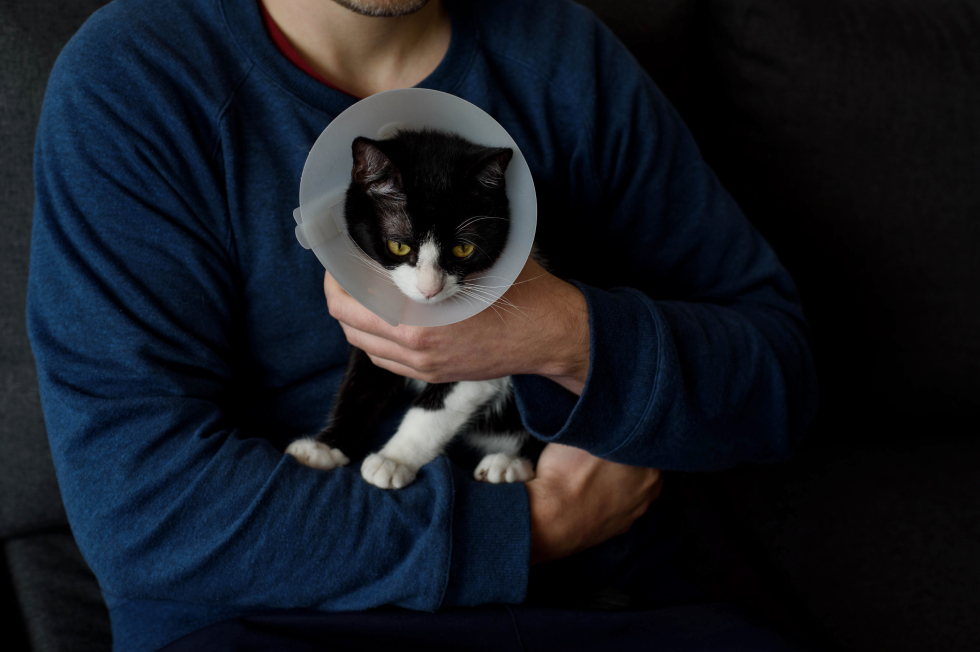
Sleepiness and less interest in food should be expected from your pet initially. This is normal as anesthesia wears off. Small amounts of water should be offered first, then bland food if they seem interested. The incision site should be watched for excessive swelling, discharge, or opening. A little redness is expected. An E-collar should be used to prevent excessive licking or scratching. Day two is when most pets start feeling more like themselves.
Managing Pain and Medication
Comfort during healing is maintained by prescribed pain medication. Medications should be given exactly as directed, even if they seem fine. Discomfort is hidden well by pets. Swelling and pain are reduced by anti-inflammatory drugs. Medication is needed by some pets for 3-5 days. The full recovery period is required by others. Human pain relievers should never be given, as toxicity to pets can result from these.
Activity Restrictions and Exercise Limits
Running, jumping, or rough play should be avoided for 10-14 days. Short leash walks for bathroom breaks are fine. Swimming and bathing should wait until complete healing of the incision occurs. Climbing and jumping onto furniture needs to be avoided by cats. This can be challenging for active pets; mental stimulation through puzzle toys helps burn energy safely. Normal activity should be gradually returned to after your vet’s approval is received.
When to Contact Your Veterinarian
A call should be made if excessive swelling, discharge, or opening of the incision is noticed. Attention is warranted by vomiting, diarrhea, or loss of appetite beyond 24 hours. Immediate care is needed for difficulty breathing or extreme lethargy. Smooth progression is experienced by most recovery periods, but complications can occur. Your instincts about your pet’s condition should be trusted. If concern about your pet’s recovery in the Bowmanville area exists, don’t hesitate to visit our website for guidance and support.
Mini-FAQ:
Q: When is the best age to spay or neuter my pet? The procedure is recommended by most veterinarians between 4-6 months of age. Growth can be affected if done earlier than that. Waiting until 12-18 months benefits some larger dog breeds. Your pet’s specific needs will be considered by your vet.
Q: What exactly happens during the surgery? Look, it’s a routine procedure that’s been refined over decades. Through a small abdominal incision, the ovaries and uterus are removed for females. Testicles are removed through a scrotal incision for males. General anesthesia is used for both surgeries. Quick and straightforward.
Q: How long does recovery take? Fair point to ask. Normal activity is returned to by most pets within 10-14 days, though protection of the incision site is needed during that time. Some pets bounce back in a week. Others take the full two weeks. That still surprises people.