
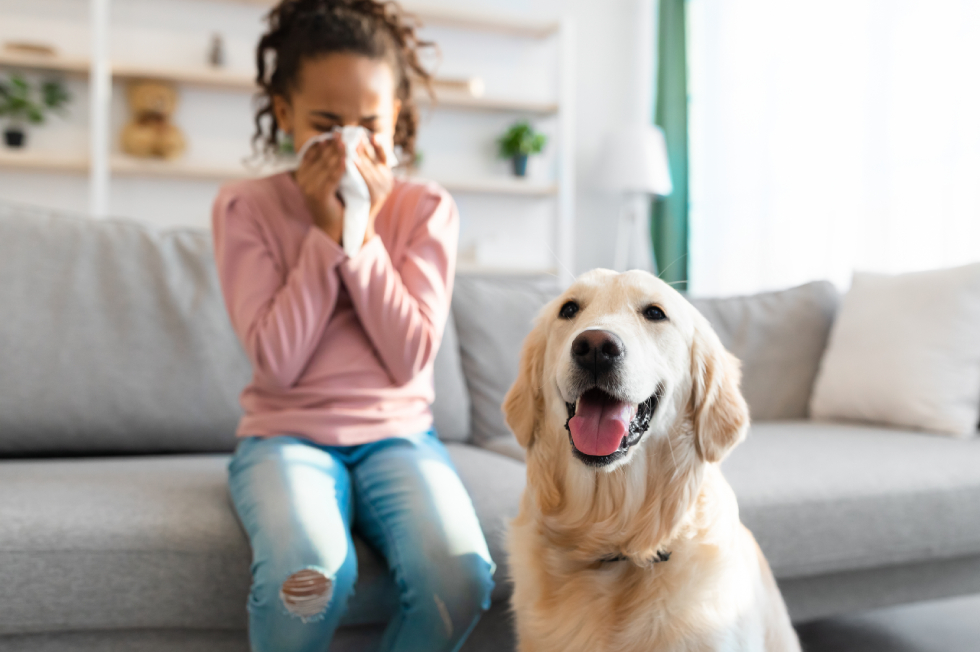
Respiratory infections, allergies, heart problems, or tracheal issues are usually what cause dog coughing. Occasional soft coughs might be normal; however, persistent hacking, gagging sounds, or coughing with lethargy requires veterinary evaluation within 24-48 hours.
Fast Facts:
- Kennel cough affects roughly 80% of dogs in group settings at some point
- Heart disease causes coughing in approximately 15% of senior dogs
- Tracheal collapse occurs most often in small breeds weighing under 20 pounds
- Seasonal allergies trigger coughing episodes that typically last 2-6 weeks
- Emergency vet visits are needed when coughing includes blue gums or fainting
Understanding Normal vs. Concerning Coughs
Many reasons exist for why dogs cough. Some are harmless, others signal serious problems. Frequency, sound, and accompanying symptoms are where the key difference lies. A soft, occasional cough after drinking water probably means nothing. But harsh, persistent coughing that disrupts sleep or play requires attention; from what we’ve seen, pet owners in Bowmanville often wait too long before seeking help.
Kennel Cough and Respiratory Infections
Social settings are where kennel cough spreads quickly. Dog parks, boarding facilities, and grooming shops are common transmission points. Within 3-10 days of exposure, the distinctive honking sound develops. Most cases resolve naturally, but higher risks are faced by puppies and senior dogs. Secondary infections are sometimes prevented through prescribed antibiotics.
Heart Disease as a Hidden Culprit
Coughing is caused by heart problems that many owners mistake for respiratory issues. At night or during rest periods, the cough typically worsens. Fluid buildup in the lungs causes this as the heart struggles to pump effectively. This pattern is shown more frequently by small breeds and older dogs. Treatment outcomes are, to be fair, significantly improved through early detection.
Allergies and Environmental Triggers
Dogs are affected by seasonal allergies much like humans. Inflammatory responses in sensitive pets are triggered by pollen, dust mites, and mold spores. Sneezing, watery eyes, or excessive scratching usually accompany the resulting cough. Exposure can be reduced through air purifiers and regular cleaning. Antihistamines prescribed by veterinarians benefit some dogs.
Tracheal Collapse in Small Breeds
Weakened tracheal cartilage is sometimes developed by small dogs. During breathing, the airway partially collapses, creating a characteristic honking cough. Yorkshire Terriers, Pomeranians, and Chihuahuas are commonly affected. Symptoms can be reduced through weight management and avoiding collar pressure; in severe cases, surgery might be considered.
Emergency Warning Signs
Immediate veterinary care is required by certain symptoms. Oxygen deprivation is indicated by blue or pale gums. Serious heart or respiratory problems are suggested by coughing with fainting episodes. Bloody sputum, high fever, or complete loss of appetite are also red flags. Regular office hours shouldn’t be waited for if these signs appear.
When to Contact Your Veterinarian
An appointment should be scheduled if coughing persists beyond a few days or worsens over time. Video recordings of coughing episodes should be brought to help with diagnosis. When coughing occurs most often and what seems to trigger it should be noted. Minor issues are often prevented from becoming major health problems through early intervention. For expert care and peace of mind, visit our website to learn more about our comprehensive veterinary services.
Mini-FAQ:
Q: How do I know if my dog’s cough is serious? Accompanying symptoms should be looked for. Mild, occasional coughs without other signs are usually manageable at home. But persistent coughing with lethargy, loss of appetite, or breathing difficulty needs immediate attention.
Q: What does kennel cough sound like? A honking goose sound is often how it’s described. The cough is typically dry and hacking, sometimes followed by retching or gagging motions.
Q: What causes sudden coughing in healthy dogs? It’s often environmental. Dust, pollen, strong scents, or even excitement can trigger temporary coughing fits. Cold air sometimes does it too.
Q: Should I give my dog cough medicine? Human cough suppressants should never be used. They can be toxic to dogs and might mask symptoms that veterinarians need to hear for proper diagnosis.