
Blog

Dog Lethargy: Signs, Causes & When to Call Your Vet
Different ways are shown by dog lethargy, from subtle energy changes to complete reluctance to move. As it turns out, what appears like simple tiredness can signal anything from minor stress to serious health issues. Physical problems, emotional factors, and environmental changes are often grouped as causes that affect your pet’s normal routine. Age naturally slows some dogs down, while medication, diet changes, or undiagnosed underlying conditions might be affecting others. When lethargy crosses from normal to concerning gets tricky for most pet owners to determine.
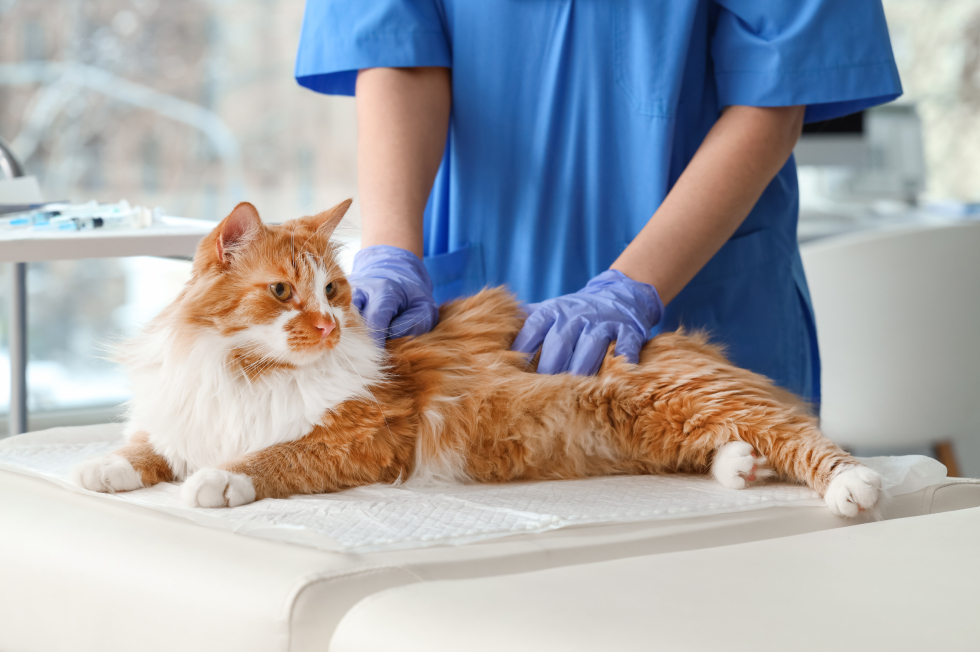
Cat Diarrhea: Causes, Dehydration Signs & When to Call Your Vet
Roughly 30% of felines are affected by diarrhea at some point, with cases ranging from minor dietary upsets to serious underlying conditions. As it turns out, quite a bit about what’s happening inside your pet’s digestive system can be revealed by the consistency and frequency. Within 24-48 hours, dehydration becomes a concern; this is especially true for kittens and senior cats. Dietary changes, stress, parasites, and bacterial infections are included among common triggers, though food allergies are often overlooked by pet owners. When symptoms seem to improve temporarily, the timing of when to seek veterinary care can be particularly tricky to navigate.
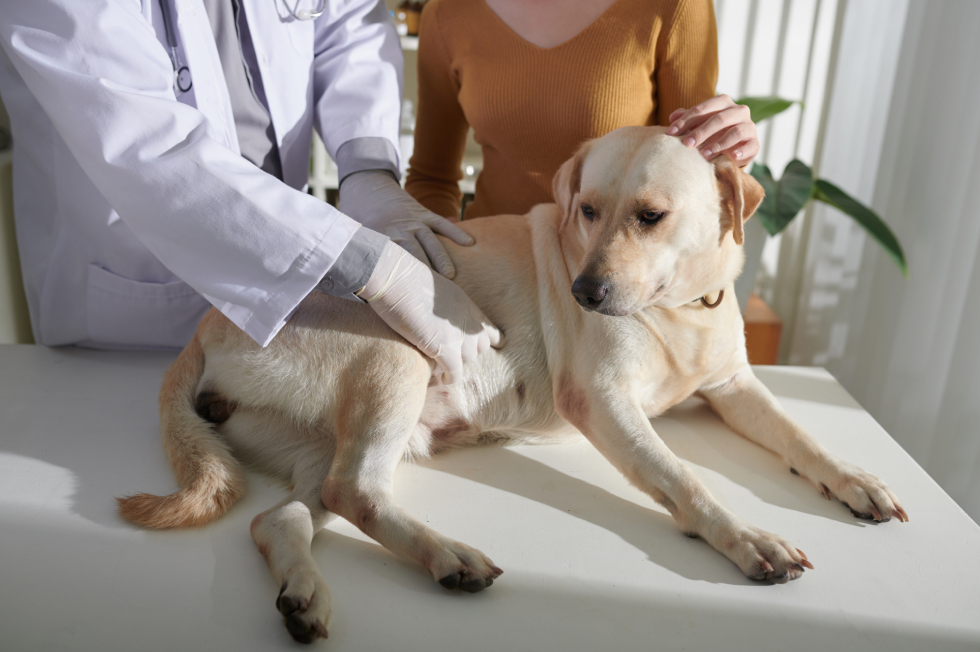
Dog Diarrhea: When to Worry and What to Do First
Pet owners are left scrambling for answers when dog diarrhea strikes without warning. Most cases are resolved within 24-48 hours with basic care, though certain symptoms demand immediate veterinary attention. Red flags that shouldn’t be ignored include blood in stool, persistent vomiting, or signs of dehydration. As it turns out, the timing and severity of symptoms often matter more than the diarrhea itself. Dietary indiscretion causes many cases, but what appears to be a simple stomach upset can mask underlying conditions. When home care is appropriate and when professional intervention becomes necessary is where the key lies.
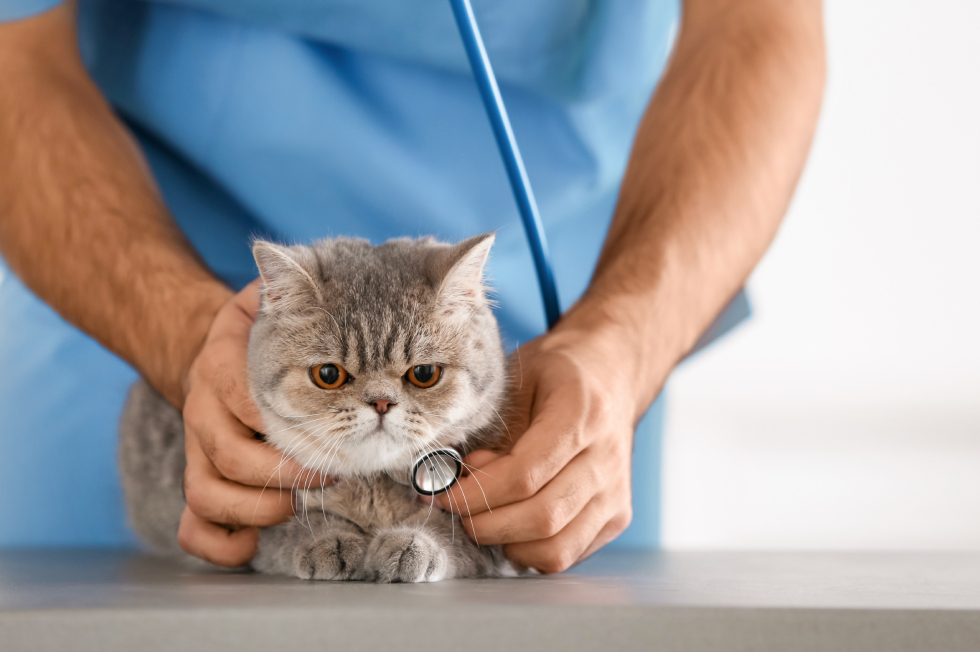
Cat Vomiting: Common Causes and When to See a Vet
More pet owners than expected encounter cat vomiting, and the causes are varied from simple hairballs to serious health conditions. As it turns out, grooming habits and sensitive digestive systems make cats naturally prone to vomiting. Eating too quickly, dietary changes, hairballs, and stress are included among common triggers, though kidney disease or intestinal blockages represent more serious issues that are also observed by veterinarians. Whether immediate veterinary attention is needed is usually determined by the frequency and accompanying symptoms, I suppose.
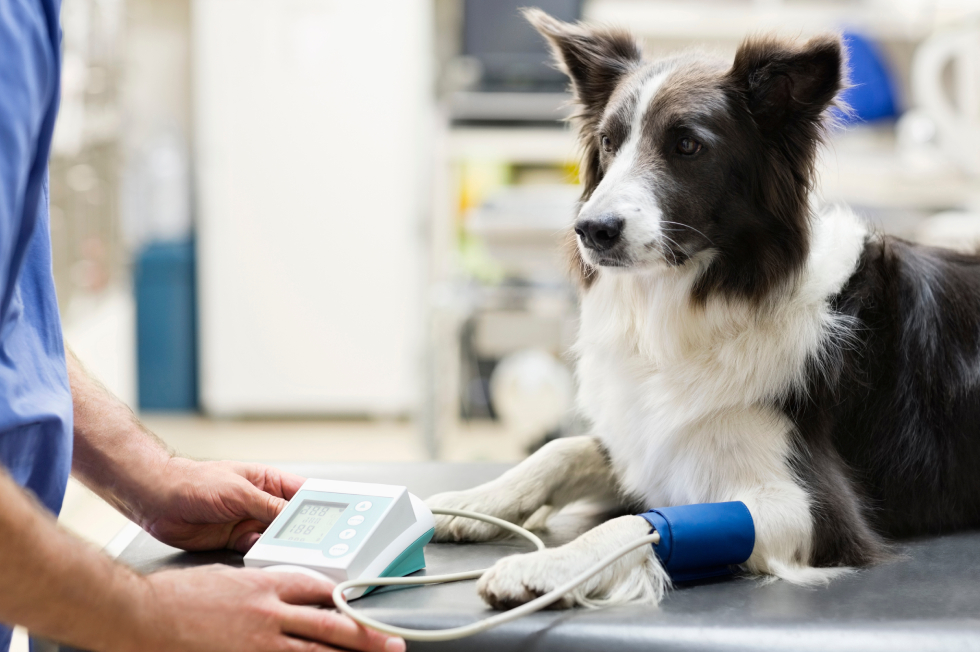
Dog Vomiting: When to See a Vet in Bowmanville
Dog vomiting ranges from minor stomach upset to serious medical emergencies. Most single episodes are resolved on their own, but certain warning signs demand immediate veterinary attention. As it turns out, the timing and accompanying symptoms matter more than the vomiting itself. Blood, repeated episodes, lethargy, or inability to keep water down are typically flagged as urgent concerns by veterinarians. Pet owners in Bowmanville often struggle with this decision, especially during evening hours when symptoms seem to worsen. The challenge lies in distinguishing between temporary digestive issues and conditions requiring professional intervention.
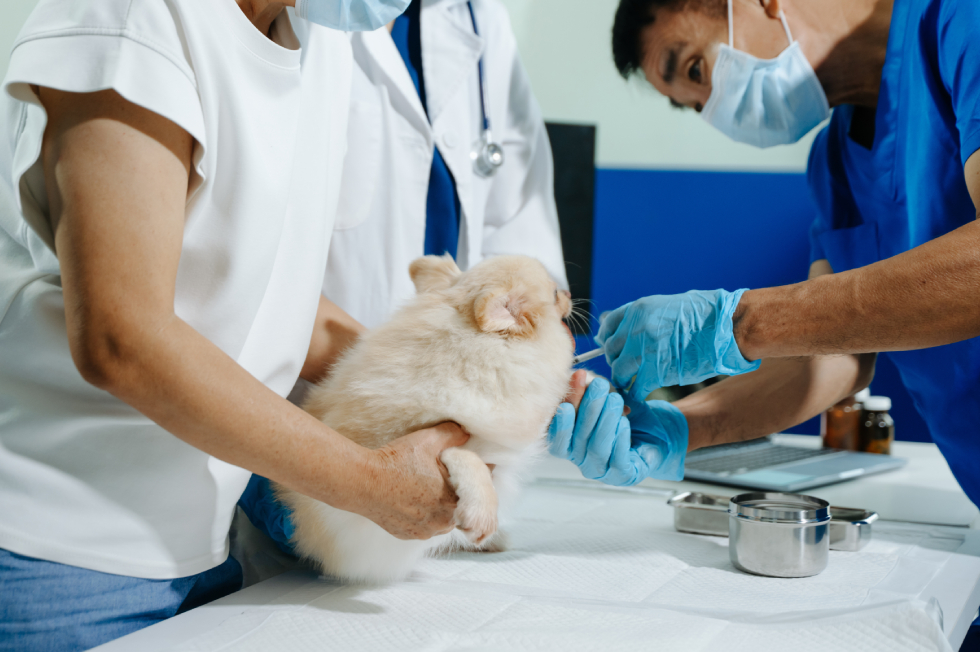
Pet Emergency Signs: When to Seek Urgent Veterinary Care
Pet emergencies can develop rapidly; recognizing the warning signs often makes the difference between a full recovery and a tragic outcome. From what we’ve seen at veterinary clinics, many pet owners struggle to distinguish between minor concerns and true medical crises. Breathing difficulties, severe vomiting, and sudden collapse are typically considered urgent situations that require immediate professional attention. Signs like pale gums, inability to urinate, or seizures are handled as critical emergencies by most veterinary teams. The challenge lies in those gray-area symptoms that could indicate anything from mild discomfort to serious internal problems.
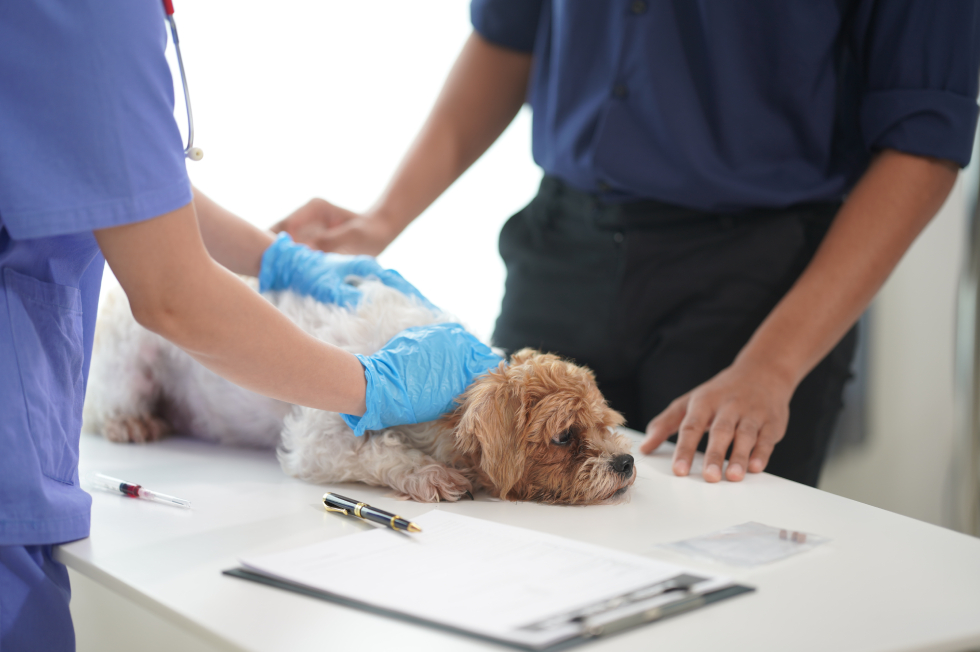
Pet Emergency or Wait? Quick Vet Checklist for Bowmanville Owners
Pet health concerns can escalate quickly; owners are often left unsure whether to rush to the vet or monitor symptoms at home. As it turns out, predictable patterns are followed by most pet emergencies that trained professionals recognize immediately. A structured approach is often used by veterinary teams to help pet owners make informed decisions during stressful moments. Understanding which symptoms require immediate attention and which can be safely observed for a short period, well, that’s where the key lies.

How to Choose the Right Vet Clinic in Bowmanville for Your Pet
The right veterinary clinic in Bowmanville can’t be found through proximity alone. Medical expertise, communication style, and facility quality are combined in ways that match your pet’s specific needs, as it turns out. How much difference the right clinic makes in their animal’s long-term health outcomes surprises many pet owners. Questions to ask and red flags to watch for during initial visits are learned over time; the decision becomes easier once these factors are understood.
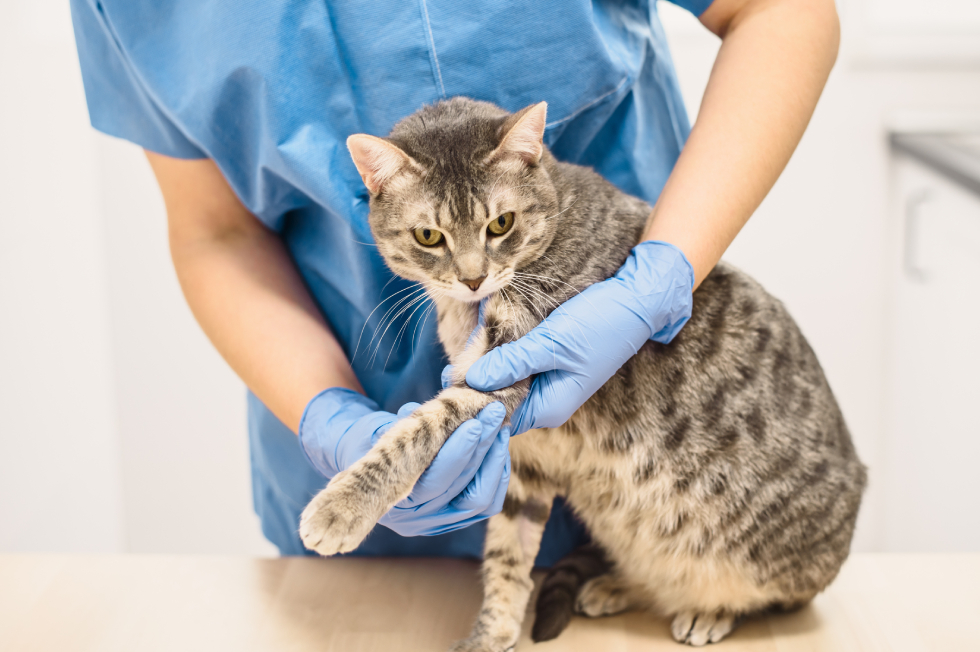
When to Take Your Cat to the Vet: Warning Signs Pet Owners Miss
Illness is often hidden by cats until symptoms become severe. As it turns out, many warning signs are missed by well-meaning pet owners who assume their feline friend is just being moody or independent. Subtle changes in eating habits, litter box behavior, or social interaction patterns get dismissed as normal cat quirks. Emergency symptoms like difficulty breathing or sudden lethargy require immediate attention, while gradual changes in grooming or appetite deserve monitoring. The challenge lies in distinguishing between typical feline behavior and genuine health concerns that warrant professional evaluation.
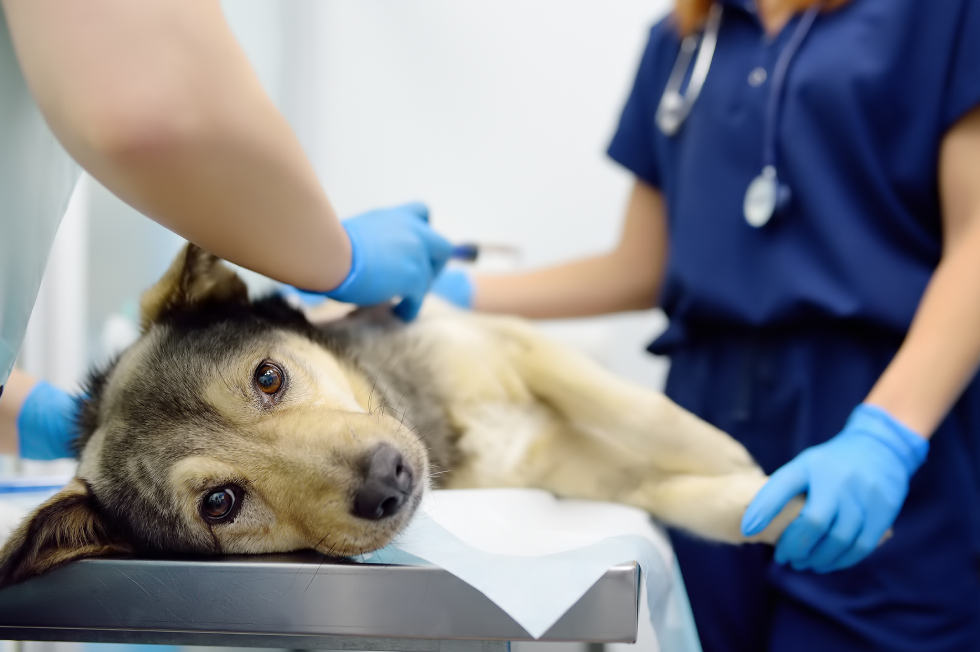
When to Take Your Dog to the Vet: Bowmanville Pet Owner Guide
When something’s wrong, dogs can’t tell us, which makes health problems tricky to recognize for pet owners. As it turns out, serious underlying conditions can actually be signaled by many common symptoms that seem minor. Well-meaning owners who assume their pet is just having an off day often miss warning signs. From what we’ve seen at Animal Clinic of East Durham, better outcomes are usually experienced by pets that get prompt attention. Still, knowing exactly when to make that call isn’t always straightforward.


Address
Clinic Hours
Monday, Tuesday, Thursday & Friday: 9:00 AM – 8:00 PM
Wednesday: 9:00 AM – 4:00 PM
Saturday: 10:00 AM – 8:00 PM
Sunday: Closed
SEO Services by BreezeMaxWeb