
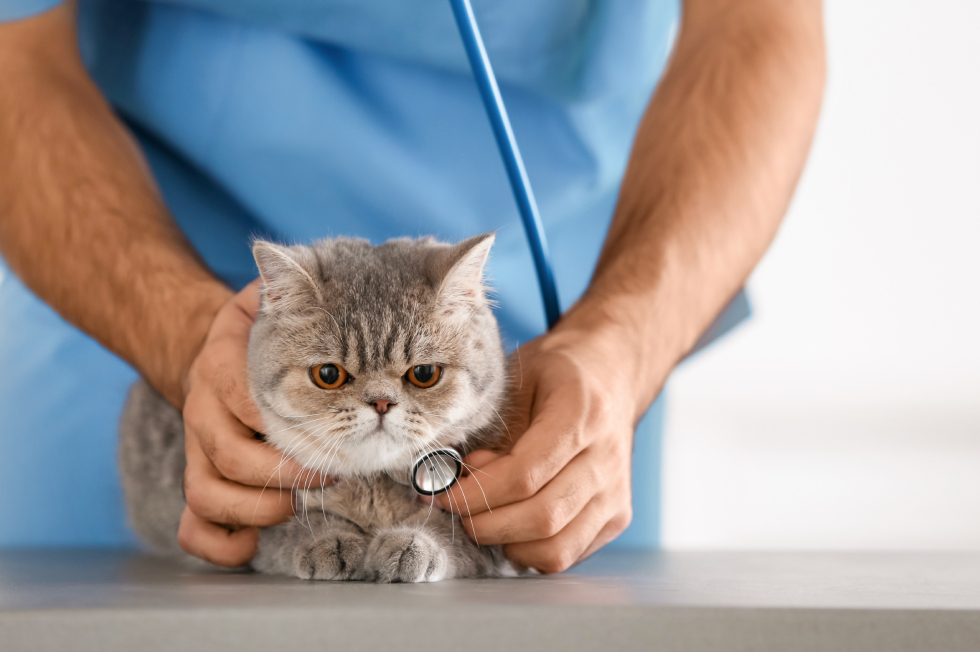
Hairballs, eating too quickly, or dietary changes usually cause cat vomiting; however, frequent episodes or symptoms like lethargy and loss of appetite are often signaled by more serious conditions that require veterinary care.
Fast Facts
- Grooming habits cause cats to vomit 2-3 times more frequently than dogs
- Roughly 60% of occasional vomiting episodes in healthy cats are accounted for by hairballs
- An underlying health issue is typically indicated by vomiting more than twice per week
- Cats who can’t keep fluids down can become dehydrated within 12-24 hours
- Chronic conditions make senior cats over 10 years old more prone to vomiting
When Hairballs Become a Problem
Hairballs are known about by most cat owners, but when normal becomes concerning isn’t always recognized by them. 30-50% of their waking hours are spent by cats grooming, and all that fur has to go somewhere. Hair usually passes through the digestive system without issue.
But sometimes it accumulates. Long-haired breeds like Persians and Maine Coons are particularly prone to this. Their ragdoll was recently brought in by a Bowmanville family after she started vomiting hairballs twice weekly. Regular brushing and specialized diets were recommended to help manage the situation.
Eating Habits That Trigger Vomiting
Multi-cat households surprisingly commonly experience fast eating. Cats are driven by competition for food to gulp their meals, which often comes right back up. The sudden volume simply can’t be handled by the stomach.
Things are helped to slow down by elevated feeding bowls and puzzle feeders. Smaller, more frequent meals throughout the day benefit some cats. From what we’ve seen, vomiting episodes in affected cats are reduced by about 70% with this approach.
Dietary Changes and Food Sensitivities
Digestive upset is almost guaranteed by switching cat foods too quickly. Gradual transitions over 7-10 days are needed by cats, mixing increasing amounts of new food with the old. Their systems are creatures of habit, in a way.
Food allergies and sensitivities are also culprits. Common triggers are represented by chicken, beef, and dairy, though issues can be caused by any protein. Severe vomiting was developed by one local cat after her owners switched to a salmon-based diet. A fish protein sensitivity that had never been identified was what the reaction was traced back to.
Medical Conditions Behind Chronic Vomiting
Persistent vomiting in cats is frequently caused by kidney disease, hyperthyroidism, and inflammatory bowel disease. Senior cats are more commonly affected by these conditions but younger animals can be affected too.
Another consideration is represented by intestinal parasites. Even indoor cats can be exposed through contaminated food or tracking in eggs on shoes. These issues are helped to be caught early by regular fecal exams. Underlying problems that aren’t immediately obvious are often revealed by blood work and imaging.
Warning Signs That Require Immediate Attention
Urgent veterinary care is demanded by some symptoms. Emergencies are represented by blood in vomit, projectile vomiting, or signs of severe dehydration. Immediate intervention is needed by cats who can’t keep water down for more than 12 hours.
Serious illness is suggested by lethargy, hiding behavior, and loss of appetite alongside vomiting. Temperature changes, either fever or hypothermia, are also concerning. Conditions that worsen rapidly without treatment are often indicated by these combinations. Hard to explain sometimes.
Home Care and Prevention Strategies
Hairball formation is reduced by regular grooming, especially in long-haired breeds. Loose fur is removed by daily brushing before it’s ingested during self-grooming sessions. Specialized hairball diets and treats can also help.
A bigger role than many realize is played by stress reduction. Digestive health is contributed to by consistent feeding schedules, clean litter boxes, and calm environments. Pheromone diffusers during stressful periods like moving or introducing new pets benefit some cats.
Getting Professional Help in Bowmanville
When vomiting persists or worsens, veterinary evaluation becomes necessary. Underlying causes are helped to be identified by a thorough examination, including blood work and possibly imaging. Better outcomes and lower treatment costs typically result from early intervention.
If frequent vomiting is being experienced by your cat or concerning symptoms are being shown, professional guidance shouldn’t be waited for. Visit our website to learn more about our comprehensive feline health services and schedule an appointment with our experienced veterinary team.
Mini-FAQ
Q: How can I tell if my cat’s vomiting is serious? Accompanying symptoms should be looked for. Red flags are represented by blood in vomit, repeated episodes within 24 hours, or signs of dehydration. Something more serious is also suggested by lethargy and loss of appetite.
Q: What’s the difference between vomiting and regurgitation? Active stomach contractions are involved in vomiting and digested food or bile is usually contained. Regurgitation is more passive. Undigested food is simply brought back up, often in a tube shape. That still surprises people.
Q: Should I withhold food after my cat vomits? The stomach can be helped to settle by withholding food for 12-24 hours, but water should remain available. Small amounts of bland food are typically recommended after the fasting period.
Q: Can stress cause cats to vomit? Absolutely. Stress-related vomiting can be triggered by changes in routine, new pets, or moving. Cats are sensitive creatures; their digestive systems often reflect emotional upset.