
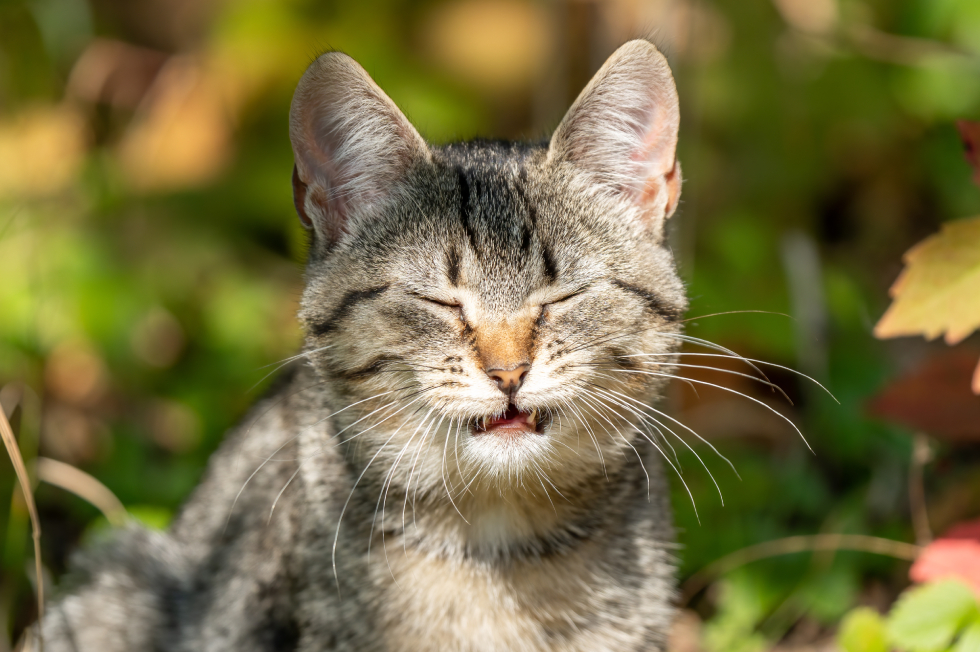
Upper respiratory irritation, allergies, or infection are usually indicated by cat sneezing; however, persistent sneezing combined with wheezing, difficulty breathing, or discharge often requires veterinary attention within 24-48 hours. Environmental triggers resolve quickly in most cases, but more serious conditions can be signaled by ongoing symptoms.
Fast Facts:
- 30-40% of cats with persistent sneezing symptoms are affected by upper respiratory infections
- Asthma may be indicated when wheezing is combined with sneezing, affecting roughly 5% of cats
- Temporary sneezing in most healthy indoor cats is caused by environmental allergens
- Same-day veterinary evaluation is required for breathing difficulties
- 15% of sudden-onset sneezing cases are accounted for by foreign objects in nasal passages
When Simple Sneezing Becomes Concerning
Dozens of reasons cause cats to sneeze; most episodes resolve without intervention. Respiratory symptoms can escalate quickly in feline patients, though.
Their tabby was brought in by a Bowmanville cat owner recently after three days of increasing sneezing fits. Occasional episodes had progressed to persistent sneezing with clear discharge. A mild upper respiratory infection was revealed by the examination, one that responded well to supportive care.
A bigger role than expected is played by environmental factors. Dust from renovations, new air fresheners, or seasonal pollen can trigger sneezing episodes that look serious but resolve once the irritant is removed.
Recognizing Respiratory Distress Signals
The entire picture is changed by wheezing. Narrowed airways are indicated by this sound; prompt evaluation is required.
A combination of sneezing and wheezing is often presented by cats with asthma, particularly during stress or exposure to triggers. Roughly 5% of the feline population is affected by the condition, though many cases go undiagnosed for months.
More than frequency, breathing patterns matter. 20-30 times per minute at rest is how cats normally breathe. Respiratory compromise that needs immediate attention is suggested by rapid, shallow breathing combined with sneezing.
Common Triggers and Environmental Factors
More than most people realize, indoor air quality affects cats. Sensitive respiratory systems can be irritated by cleaning products, scented candles, and air fresheners.
Predictable patterns are brought by seasonal changes. Spring pollen, winter heating systems, and summer air conditioning can all trigger sneezing episodes in susceptible cats. Simple household adjustments often manage these environmental factors.
Their cat’s sneezing coincided with using a new fabric softener; this was discovered by a local pet owner. The symptoms disappeared within a week once they switched products. Sometimes the solution is simpler than expected.
Upper Respiratory Infections in Cats
A significant portion of persistent sneezing cases is accounted for by viral and bacterial infections. Multi-cat households or recently adopted pets are where these conditions are particularly common.
Gradually, symptoms typically develop. Discharge, decreased appetite, and lethargy are included as initial sneezing progresses. 3-7 days is usually spanned by the timeline, giving owners a window to seek appropriate care.
The underlying cause determines how treatment approaches vary. Supportive care is often required by viral infections, while antibiotic intervention may be needed for bacterial components. The most effective approach is helped to be determined by early evaluation.
Foreign Objects and Physical Obstructions
Their environment is explored by cats with their noses, occasionally inhaling small particles or debris. Nasal passages can be lodged in by grass seeds, dust particles, or tiny objects.
A foreign body is suggested by sudden-onset sneezing, especially if violent or one-sided. Complications or deeper migration of the object are prevented by prompt removal; these cases require it.
Usually distinctive is the presentation. Immediate, intense sneezing focused on one nostril is shown by affected cats, often with some bleeding or discharge. Further irritation is prevented by professional removal.
When to Seek Professional Care
With respiratory symptoms, timing matters. At home, mild, occasional sneezing can be monitored, but evaluation is needed for persistent or worsening symptoms.
Breathing difficulties, open-mouth breathing, or severe lethargy combined with respiratory symptoms are what same-day care is recommended for. More serious underlying conditions are suggested by these signs.
Experienced veterinary care when respiratory concerns arise is what pet owners in the Bowmanville area have access to. Better outcomes and faster recovery times often result from early intervention. If you’re concerned about your cat’s sneezing or breathing patterns, I suppose don’t hesitate to visit our website for more information about our services.
Mini-FAQ:
Q: How do I know if my cat’s sneezing is serious? Additional symptoms should be looked for. Occasional sneezing is normal, but persistent episodes with discharge, wheezing, or breathing changes need attention. That pattern usually develops over 2-3 days.
Q: Can indoor cats develop respiratory allergies? Dust, cleaning products, air fresheners, and seasonal pollen that drifts inside are what indoor cats get exposed to. Pet owners often overlook these triggers. Symptoms typically appear during specific seasons or after household changes.
Q: What causes sudden wheezing in cats? Asthma, respiratory infections, or airway obstructions can trigger wheezing. When airways become narrowed or inflamed, the sound is produced.