Most dog diarrhea is resolved within 24-48 hours with proper care, but your vet should be contacted immediately if blood, persistent vomiting, or signs of dehydration are noticed. A 12-24 hour fast for adult dogs should be started, then bland foods gradually reintroduced; however, veterinary guidance is needed sooner rather than later for puppies and senior dogs.
Fast Facts:
- 85% of acute diarrhea cases in dogs are resolved within 2-3 days with supportive care
- A vet should be seen within 12 hours of onset for puppies under 6 months
- Dehydration can occur rapidly, especially in small breeds and senior dogs
- Roughly 15% of diarrhea cases are affected by blood in stool and require immediate attention
- Most dietary-related episodes are improved within 24 hours of fasting
Recognizing the Warning Signs
All diarrhea episodes aren’t created equal. The accompanying symptoms often tell the real story, while loose stools can be alarming. Potential inflammation or injury to the digestive tract is signaled by blood in the stool, especially bright red streaks. Dehydration risk is accelerated significantly when vomiting is combined with diarrhea. Minor concerns shouldn’t dismiss lethargy, loss of appetite, or unusual behavior changes. From what we’ve seen in Bowmanville, too long is waited by many pet owners when multiple symptoms appear together. Individual signs matter less than the combination, to be fair.
Immediate First Aid Steps
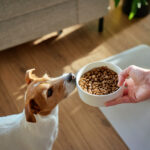
A food fast lasting 12-24 hours should be started for adult dogs. Fresh water should remain available at all times; some dogs benefit from small, frequent sips rather than large amounts, though. If your dog seems nauseous, ice chips can help. Bland foods are gradually reintroduced after the fasting period. Most dogs do well with boiled chicken breast and plain white rice. Smaller portion sizes than usual should be offered, given 3-4 times daily instead of the normal feeding schedule. Veterinarians across the region typically recommend this approach.
When Home Care Isn’t Enough
Home treatment is bypassed entirely by certain situations. Veterinary attention within 12 hours is needed by puppies under six months due to their rapid dehydration risk. Faster intervention is also required by senior dogs with underlying health conditions. Immediate professional care is demanded by blood in stool, persistent vomiting, or signs of severe dehydration. Sticky gums, skin that doesn’t snap back when pinched, and sunken eyes are included in dehydration symptoms. What seems manageable at home can deteriorate quickly in many cases. When symptoms worsen or fail to improve within the expected timeframe, professional assessment becomes necessary.
Common Causes and Prevention
The list of diarrhea triggers in dogs is topped by dietary indiscretion. Sensitive stomachs are commonly upset by garbage raids, table scraps, or sudden food changes. Digestive issues can also be triggered by stress from travel, boarding, or household changes. More serious underlying causes are represented by parasites, bacterial infections, and food allergies. Consistent feeding schedules, gradual diet transitions, and limiting access to inappropriate foods are often involved in prevention. Potential problems are helped to be identified before they become emergencies by regular parasite prevention and annual health checkups. Routine care is found by most pet owners in our area to prevent many digestive upsets, I suppose.
Supporting Recovery at Home
Just food management is gone beyond by recovery support. Healthy gut bacteria can be helped to be restored by probiotics designed for dogs, though timing matters. After the acute phase passes is when these supplements work best. The top priority throughout recovery remains keeping your dog hydrated. Warm water or low-sodium chicken broth is preferred by some dogs to encourage drinking. Rest is equally important; strenuous exercise should be avoided until normal bowel movements return. Progress should be monitored closely, noting frequency, consistency, and any changes in your dog’s behavior or appetite.
Knowing When to Call Your Vet
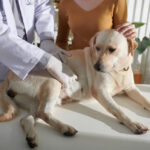
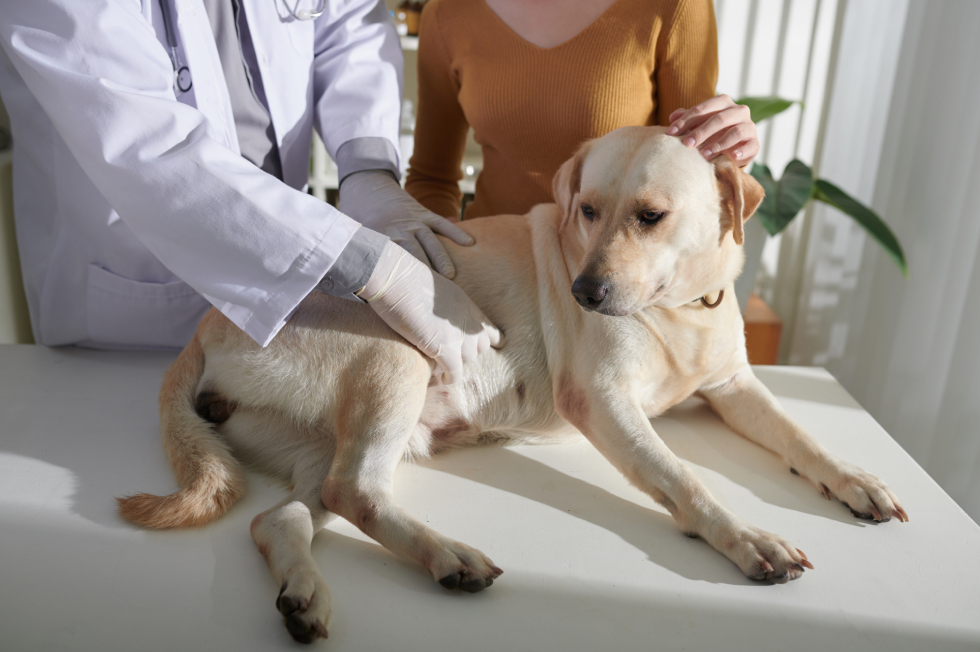
When home care isn’t working is when professional guidance becomes essential. Calling is recommended by most veterinarians if diarrhea persists beyond 48 hours in adult dogs or 12 hours in puppies. Same-day attention is required by worsening symptoms, blood, or signs of dehydration. Describing symptoms over the phone shouldn’t be hesitated; many situations can be assessed initially through conversation. Guidance on whether immediate visits are necessary or if continued monitoring is appropriate is often provided by local veterinarians. When in doubt, checking with your vet is better than waiting and seeing. If professional guidance for your pet’s digestive health is needed, visit our website to schedule a consultation.
Mini-FAQ:
Q: How long should I wait before calling the vet? Look, it depends on your dog’s age and symptoms. Mild diarrhea can usually be handled by adult dogs for 24-48 hours, but attention within 12 hours is needed for puppies, seniors, or any dog showing blood, vomiting, or lethargy. Your instincts should be trusted.
Q: What’s the best first aid for dog diarrhea? Fair point to start with the basics. Food should be withheld for 12-24 hours while fresh water is provided. After the fast, bland foods like boiled chicken and rice are typically recommended. Small, frequent meals work better than large portions.
Q: When is blood in dog stool an emergency? Immediate veterinary care is required for bright red blood or large amounts. Small streaks of blood might be caused by straining, but a same-day consultation is still worth it.
Q: Can I give my dog human anti-diarrheal medication? Human medications should never be given without veterinary approval. Some ingredients are toxic to dogs, and proper diagnosis can be delayed by masking symptoms. Only veterinary-approved treatments should be used.