In Ontario, first vaccinations are usually received by puppies at 6-8 weeks, with boosters being given every 3-4 weeks until 16 weeks old; a similar timeline is followed by cats with core vaccines like rabies being mandatory. Annual or tri-annual boosters are typically needed by adult pets depending on the vaccine type.
Fast Facts:
- Core vaccines for dogs include DHPP (distemper, hepatitis, parvovirus, parainfluenza) and rabies
- 3-4 vaccination visits are needed by kittens before 16 weeks of age
- Rabies vaccination is required by Ontario law for both dogs and cats
- Booster schedules often coincide with annual wellness exams
- Your pet’s lifestyle and risk factors determine non-core vaccines
Understanding Ontario’s Vaccination Requirements
Pet vaccination is taken seriously by Ontario, especially when rabies prevention is involved. Rabies vaccines are mandated by the province for both dogs and cats; specific timelines must be followed. Standardized protocols that align with provincial guidelines are followed by most veterinarians in Bowmanville and surrounding areas. But rabies isn’t the only requirement. All pets are considered to need core vaccines, regardless of their lifestyle.
The Puppy Vaccination Journey
Their vaccination series is started by puppies between 6-8 weeks of age. DHPP vaccines are usually covered during the first visit, protecting against four serious diseases. Boosters are given every 3-4 weeks after that until the puppy reaches 16 weeks old. From what we’ve seen, how many visits this requires surprises most puppy owners. The rabies vaccine is typically given around 12-16 weeks; your vet’s protocol determines the timing.
Kitten Vaccination Protocols
A similar timeline is followed by kittens, but different vaccines are used. Feline viral rhinotracheitis, calicivirus, and panleukopenia are protected against by the FVRCP vaccine. Administration starts around 6-8 weeks of age. Rabies vaccination is required by Ontario law, usually given at 12-16 weeks. Indoor cats might seem like extensive vaccination isn’t needed, but core vaccines are still recommended.
What Happens During the Appointment
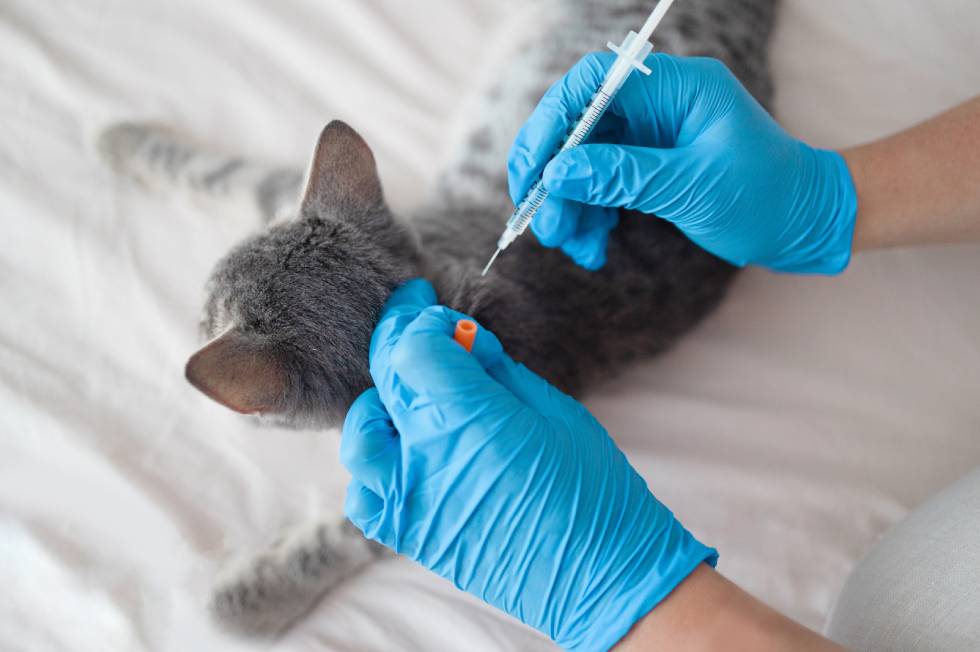
More than just the shots are involved in a typical vaccination visit. A basic health check will be performed by your vet first. Your pet’s heart and lungs will be listened to, their weight checked, and their ears and teeth examined. Just seconds are taken by the actual vaccination. The injections are tolerated well by most pets, though some soreness might be felt afterward.
Adult Pet Booster Schedules
Regular boosters will be needed once your pet completes their initial series. Annual administration is given to some vaccines, while others might be administered every three years. The vaccine type and your pet’s risk factors determine the exact schedule. Every one to three years, rabies boosters are typically required; this depends on the vaccine used. A customized schedule will be created by your vet based on your pet’s needs.
Preparing for Your Visit
Any previous vaccination records should be brought to your appointment. If you’re new to the area or switching vets, proper timing is ensured by this information. Some pets get anxious at the vet’s office, so a favorite toy or treat should be considered. Oddly enough, better behavior is shown by many pets when they’re slightly tired from a walk or play session beforehand.
Cost Considerations and Planning
Vaccination costs vary between clinics, but your pet’s health care should be budgeted for. Wellness packages that bundle vaccinations with other services are offered by many veterinary clinics. Routine vaccinations are covered by some pet insurance plans, though this varies by provider. In many cases, disease prevention through vaccination costs far less than treating it later. Interesting how that works.
Finding the Right Veterinary Care
A veterinarian you trust makes the vaccination process smoother for everyone. A clinic that explains their protocols clearly and answers your questions patiently should be looked for. Having a vet who takes time to discuss their pet’s individual needs is appreciated by many pet owners in Bowmanville. When you’re ready to schedule your pet’s vaccinations or need more information about what to expect, our website can be visited to learn more about our approach to preventive care.
Mini-FAQ:
Q: How much do pet vaccinations cost in Ontario? Core vaccination packages typically range from $75-150 for puppies and kittens. Less expensive costs are usually seen with adult booster visits. Variation in costs occurs between clinics and regions.
Q: What happens if I miss a vaccination appointment? Look, life gets busy. Where your pet stands will be assessed by your vet, and the schedule will be adjusted accordingly. Sometimes a restart is needed if too much time has passed.
Q: Are there side effects I should watch for? Mild soreness at the injection site is experienced by most pets. Serious reactions are uncommon but can include lethargy or swelling. Your vet should be contacted if symptoms persist beyond 24 hours.
Q: Can indoor cats skip certain vaccines? Core vaccines like rabies are still needed by even indoor cats. The risk is lower for some diseases, but recommendations will be made by your vet based on your specific situation.