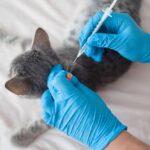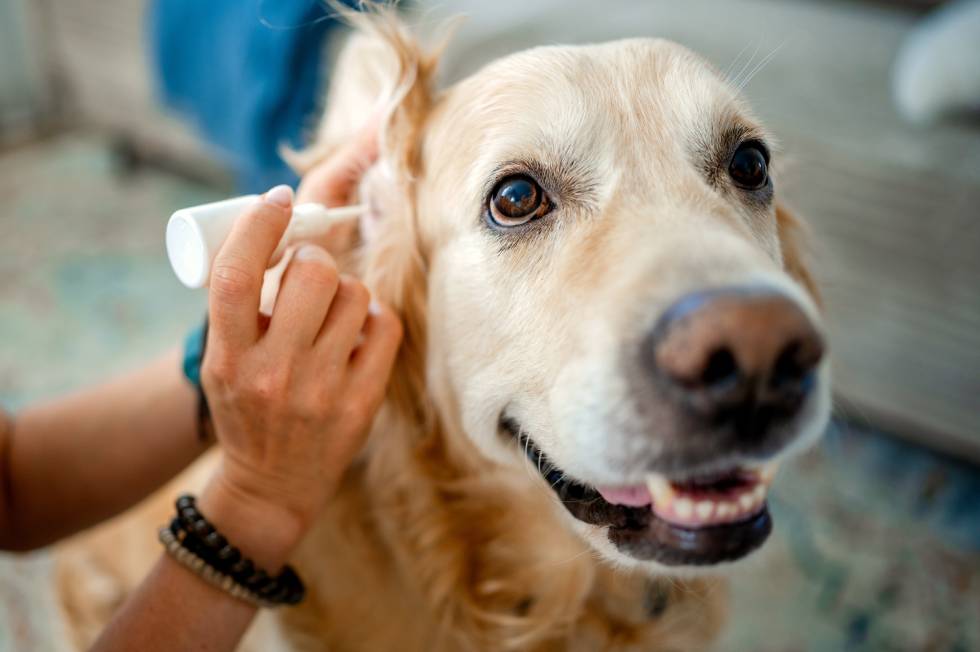
Head shaking, scratching, odor, and dark discharge from the ear canal are usually how ear infections present in pets. Prescription ear cleaners and medications are typically involved in treatment; however, prevention through regular cleaning and addressing underlying allergies often proves more effective than reactive treatment alone.
Fast Facts:
- Dogs with floppy ears are 3x more likely to develop ear infections than upright-eared breeds
- Roughly 25% of canine ear problems are accounted for by yeast infections
- Cats develop ear infections less frequently but often due to ear mites
- Swimming or bathing without proper ear drying increases infection risk by 40%
- Most ear infections resolve within 7-14 days with appropriate treatment
Understanding Common Ear Infection Symptoms
Pet owners often notice head shaking as the first sign. When ears feel uncomfortable or itchy, dogs and cats will shake their heads repeatedly. You might also see your pet scratching at their ears more than usual; sometimes small wounds are created around the ear area.
The type of infection determines how discharge from the ear canal varies. Yellow or green discharge is typically produced by bacterial infections, while dark, waxy buildup with a distinct sweet smell is created by yeast infections. Dark, coffee-ground-like debris is caused by ear mites. In most cases, the odor becomes quite noticeable.
What Causes Ear Infections in Pets
A major role in ear infection development is played by moisture. Higher risks are faced by dogs that swim frequently or live in humid climates. Perfect breeding conditions for bacteria and yeast are created when water gets trapped in ear canals. That’s why proper drying after baths or swimming matters so much.
Underlying causes that are often overlooked include allergies. Inflammation that makes ears more susceptible to infection is caused by food allergies or environmental sensitivities. Many Bowmanville pet owners discover their dog’s recurring ear problems stem from seasonal allergies rather than poor hygiene.
Treatment Options and Approaches
Veterinary diagnosis comes first, since different treatments are required by different infections. Antibiotic ear drops are needed for bacterial infections, while antifungal medications are what yeast infections respond to. Specific miticide treatments that eliminate the parasites are required by ear mites.
Prescription ear cleaners are typically recommended alongside medications. Debris is removed by these cleaners, and an environment where medications work more effectively is created. Oral medications are needed by some pets if infections are severe or have spread beyond the ear canal.
Prevention Strategies That Actually Work
Most infections are prevented by regular ear cleaning, though the frequency depends on your pet’s breed and lifestyle. Weekly cleaning is needed by dogs with floppy ears, while monthly maintenance might only be needed by cats and upright-eared dogs. Irritation can actually be caused by over-cleaning, so balance is important.
A significant difference is made by keeping ears dry after swimming or bathing. Trapped moisture is removed through gentle towel drying followed by air circulation. Cotton balls are used by some pet owners to absorb excess water, but cotton swabs should be avoided since debris can be pushed deeper by them.
Managing Underlying Health Issues
Recurring ear infections are often contributed to by allergies. The cycle of repeated infections can be broken by working with your veterinarian to identify and manage food or environmental allergies. Dietary changes or allergy medications during peak seasons might be involved in this.
Pets can be made more prone to ear infections by hormonal imbalances, particularly thyroid issues. These underlying conditions are identified by regular health checkups before chronic ear problems are led to by them. Funny thing, really.
When to Seek Professional Help
Minor ear irritation is prevented from becoming serious infections through early intervention. If persistent head shaking, odor, or discharge is noticed by you, a veterinary appointment should be scheduled. More complex treatment requirements and longer recovery times are often led to by waiting.
Chronic ear infections that need ongoing management are developed by some pets. Regular veterinary monitoring and customized prevention plans are what these cases benefit from. Strategies specific to your pet’s needs and lifestyle can be developed by your local veterinarian. For expert ear infection treatment and prevention guidance, visit our website to schedule a consultation.
Mini-FAQ:
Q: How can I tell if my pet has an ear infection? Head shaking, scratching at ears, strong odor, or dark waxy discharge should be looked for. Redness and swelling are also common signs.
Q: What causes ear infections in pets? Infections are typically triggered by bacteria, yeast, or ear mites. Conditions where these organisms thrive are created by allergies, moisture, and foreign objects. Treatment varies based on the specific cause.
Q: Can I treat my pet’s ear infection at home? Fair point, but infections are often worsened by home remedies. Bacterial or yeast overgrowth is usually cleared effectively by prescription medications. Your vet can determine the right approach.
Q: How long do ear infections take to heal? Most infections are cleared within two weeks with proper treatment. Chronic cases might take longer. Complete resolution is ensured through regular follow-ups.