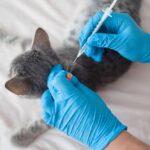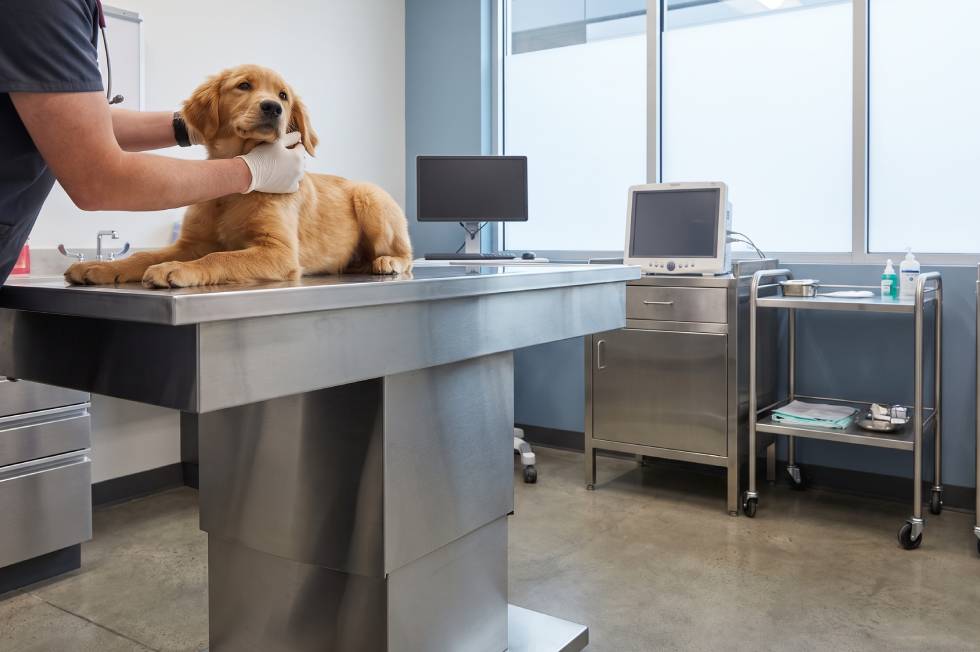
Annual wellness exams should be scheduled for most healthy adult dogs and cats, though visits every 3-4 weeks are needed by puppies and kittens until about 16 weeks old. Checkups every 6 months typically benefit senior pets (7+ years for dogs, 10+ years for cats); early detection of age-related issues is allowed before they become serious problems.
Fast Facts:
- 3-4 wellness visits are needed by puppies in their first 4 months
- Annual exams are required by adult pets for preventive care
- Bi-annual checkups benefit senior dogs (7+ years)
- Fewer visits may be needed by indoor cats than outdoor cats
- 67% of pet health issues are caught during routine wellness exams
Understanding Pet Wellness Schedules
Life stages are used to design pet wellness schedules, but they’re not as rigid as many owners think. The most frequent visits are needed by puppies and kittens because their immune systems are still developing. Annual checkups are typically settled into by adult animals. More attention is often required by senior pets as health issues become more common.
Factors like breed, lifestyle, and previous health history influence the schedule. Different risks are faced by outdoor cats than indoor ones. Large breed dogs age differently than small breeds; recommendations will be adjusted by your vet based on these variables.
Puppy and Kitten Wellness Schedules
Visits every 3-4 weeks from 6 to 16 weeks of age are needed by young animals. Vaccination schedules are aligned with this timing, and growth patterns can be monitored. Congenital issues that might not be obvious at birth are also identified through early visits.
Weight gain is tracked carefully during these visits. Parasites are checked and treated. Socialization and training guidance is often provided; many puppy owners in Bowmanville find these frequent visits reassuring as they learn to care for their new pet.
Adult Pet Annual Checkups
One comprehensive exam per year is usually needed by healthy adult dogs and cats. Good health is maintained through these visits rather than treating problems. Baseline values for future comparison might be established through recommended blood work.
Particular attention is given to dental health during adult wellness exams. Lifestyle and local disease risks determine how vaccinations are updated. Weight management discussions become important as metabolism slows with age; any behavioral changes you’ve noticed can be discussed during the annual visit.
Senior Pet Care Requirements
Senior status is considered around age 7 for dogs and 10 for cats, though this varies by breed and size. Wellness exams every 6 months benefit senior animals because health changes can happen quickly at this life stage.
More importance is placed on blood work for senior pets. Kidney function, liver values, and blood sugar levels are monitored regularly; joint health and mobility are assessed. Better responses are shown by many age-related conditions when caught early through routine screening.
Special Considerations and Risk Factors
Modified wellness schedules are required by certain breeds due to genetic predispositions. More frequent monitoring is needed by pets with chronic conditions. Regular blood work to check for side effects is required by animals on long-term medications.
Scheduling is also influenced by lifestyle factors. More frequent exams might be needed by working dogs; additional health certificates may be required by pets that travel or board regularly. Slightly different vaccination needs might be had by indoor-only cats than outdoor cats.
Cost and Value of Regular Wellness Care
Less cost is typically involved in wellness exams than treating advanced diseases that could have been caught early. Wellness packages that bundle services at a discount are offered by many veterinary clinics. Preventive care is often covered by pet insurance when included in the policy.
A relationship between your pet and the veterinary team is established through regular wellness care. Stress during visits is reduced by this familiarity, and emergency situations are made easier to handle. If consistent wellness care in the Bowmanville area is what you’re looking for, I suppose visiting our website to learn more about our comprehensive pet health services would be the next step.
Mini-FAQ:
Q: Do indoor cats need wellness exams as often as outdoor cats? Fewer health risks are generally faced by indoor cats, but annual wellness exams are still needed by them. Dental disease, obesity, and kidney issues are commonly found in indoor cats during routine checkups.
Q: What happens during a typical wellness exam? Weight, temperature, heart rate will be checked by your vet, and eyes, ears, mouth, and skin are examined. Blood work might be recommended. Vaccinations get updated as needed.
Q: Are puppy wellness visits really necessary every few weeks? Look, multiple purposes are served by those frequent early visits. Specific timing is required by vaccination schedules. Developmental issues are caught early through growth monitoring. Plus, it helps your puppy get comfortable with vet visits.
Q: When should I schedule my pet’s next wellness exam? Your pet’s current age and health status determine timing. Booking the next appointment before you leave is recommended by most vets. Annual reminders are sent by most clinics anyway.