Flea and tick prevention in Bowmanville should usually be started in early April and continued through November, though year-round protection is becoming more common. Most effective products include monthly topical treatments or oral medications; the choice depends on your pet’s lifestyle and health needs.
Fast Facts:
- Flea and tick season in Bowmanville runs approximately 8 months
- Adult fleas can emerge when temperatures reach 4°C (39°F)
- One female flea can lay up to 50 eggs daily
- Ticks can transmit Lyme disease within 24-48 hours of attachment
- Prevention costs roughly $15-40 monthly depending on product choice
When Prevention Season Really Starts
Spring is experienced differently each year in Bowmanville, but flea and tick activity usually begins when soil temperatures hit around 4°C. That’s typically early April; yet cases have been seen where pets picked up ticks in March during warm spells. One client brought their golden retriever in last February after an engorged tick was found. Weather patterns are shifting. Parasites adapt quickly.
Prevention should be started by most veterinarians before you see the first pest. An infestation is easier to prevent than to treat after it’s been established.
Choosing the Right Protection Method
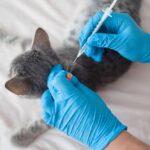
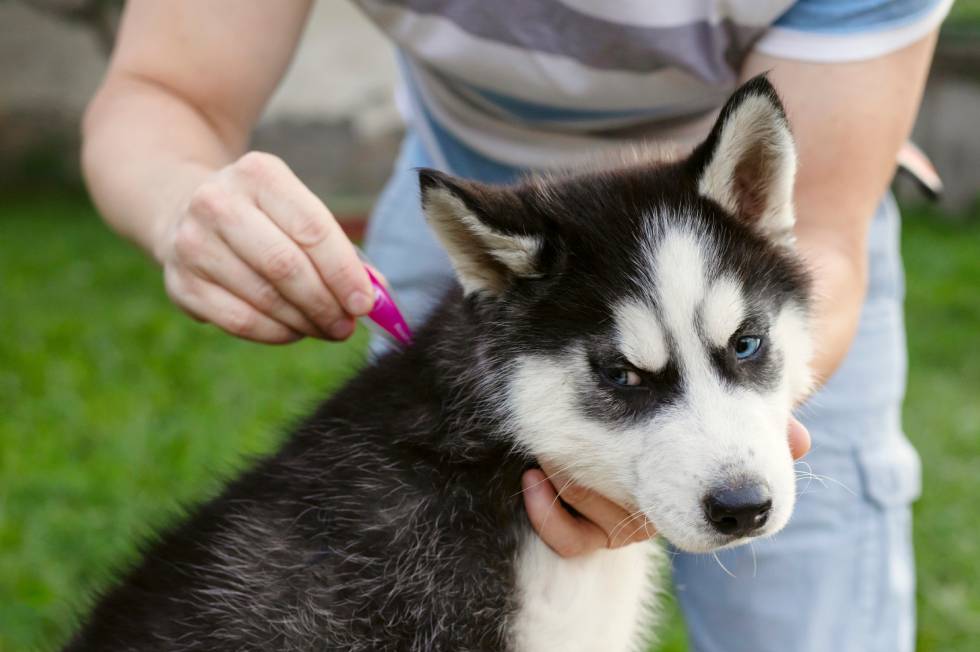
Topical treatments remain popular because they’re applied once monthly to the back of your pet’s neck. The medication is spread through natural skin oils. Oral medications work from inside your pet’s system; parasites are killed when they bite. Both approaches have been extensively tested and approved by regulatory agencies.
Some pets do better with one method over another. Dogs that swim frequently might need oral protection, since topical effectiveness can be reduced by water. Topical treatments are often preferred by cats since they’re less likely to resist a quick application.
How Long Protection Should Continue
Traditional advice suggested stopping prevention after the first hard frost. That’s changing as our climate becomes less predictable. Many Bowmanville pet owners now continue protection through November, sometimes December. A few clients have switched to year-round prevention after late-season infestations were dealt with.
Your pet’s lifestyle matters here. Dogs that hike in wooded areas face higher risk than apartment cats. Longer protection periods are needed by indoor-outdoor pets than strictly indoor animals. The decision gets made based on individual circumstances.
What Actually Works Best
Prescription products from your veterinarian typically offer the most reliable protection. Over-the-counter options exist, but their effectiveness varies significantly. One study showed that 95-100% of fleas were killed within 12 hours by prescription treatments; some retail products managed only 60-70% effectiveness.
Combination products that target both fleas and ticks are convenient for most pet owners; some also include heartworm prevention. Specific brands can be recommended by your vet based on your pet’s weight, health status, and exposure risk.
Environmental Management Matters Too
Prevention isn’t just about treating your pet. Most of their lifecycle is spent by fleas in your home environment, not on your animal. Eggs and larvae are removed from carpets and upholstery by regular vacuuming. Developing parasites are killed by washing pet bedding in hot water.
Yard treatment might be necessary if ongoing problems are experienced. Focus on shaded areas where pets rest, since humid conditions are preferred by fleas. Professional pest control services understand which products work in our local climate. Anyway, that’s usually where the comprehensive approach clicks.
Getting Professional Guidance
Every pet’s situation is different, and what works for your neighbor’s dog might not suit your cat. Factors like age, health conditions, and medication interactions all influence the best choice. Your pet’s specific needs can be assessed by the team at Animal Clinic of East Durham, and the most appropriate prevention strategy can be recommended. Visit our website to learn more about protecting your pet from fleas and ticks this season.
Mini-FAQ:
Q: When should I start flea and tick prevention? Look, most Bowmanville vets recommend starting in early April. Some products are applied year-round now. Weather patterns have shifted.
Q: What’s the difference between topical and oral treatments? Topical treatments are applied to your pet’s skin monthly. Oral medications are given as treats or pills. Both approaches have been proven effective in clinical studies. Personal preference often decides.
Q: How long do I need to continue prevention? Treatment typically continues through November in our area. Some pets need year-round coverage. Your vet can assess individual risk factors.
Q: What if my indoor cat needs protection too? Indoor cats can still get fleas. Parasites are brought in on clothing and other pets. Even apartment cats benefit from prevention during peak season.