
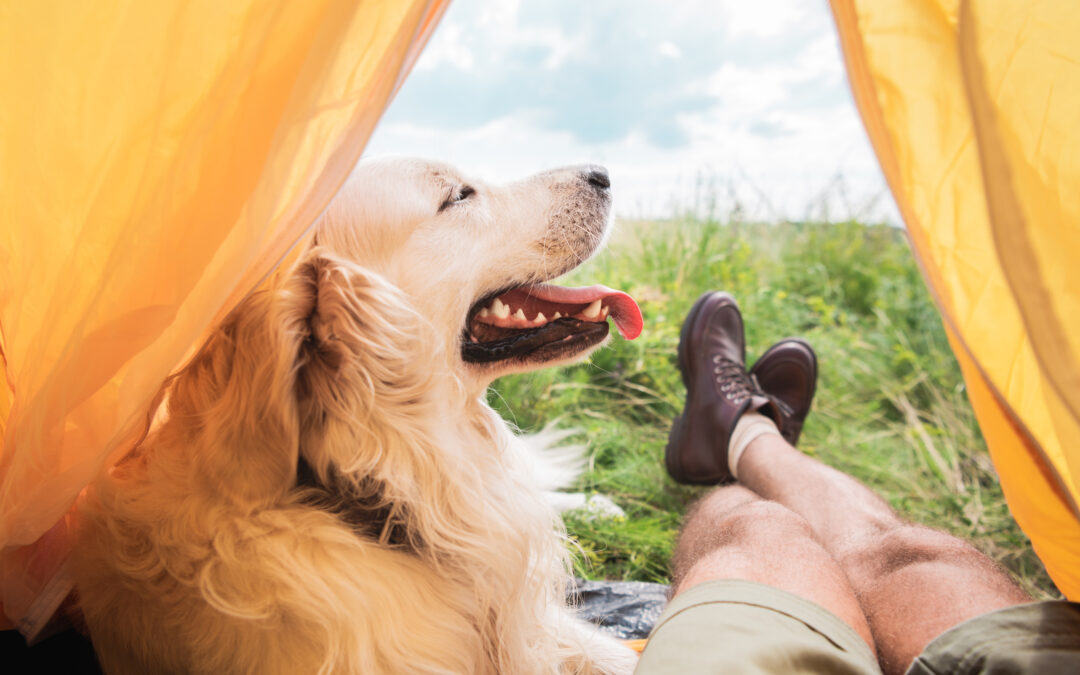
As the weather warms up and nature beckons, many pet owners are eager to take their furry friends on camping adventures. However, ensuring your pet’s safety during these excursions is paramount. At the Animal Clinic of East Durham, we understand that pets are part of the family, and we want to help you make the most of your outdoor experiences while keeping your beloved companions safe. Here are some essential camping safety tips for pet owners.
1. Prepare with a Tent Trial Run
Before you embark on your camping trip, it’s crucial to get your pet comfortable with the tent. Set up your tent in the backyard and allow your pet to explore it at their own pace. This trial run helps them acclimate to the new environment, making them feel more secure when they arrive at the campsite. Encourage your pet to sniff around and reward them for their bravery. A familiarization session will help reduce anxiety when it’s time to sleep under the stars.
2. Ensure Visibility
Camping often means being in low-light conditions, which can make it difficult to see your pet, especially if they have dark fur. To avoid losing sight of your furry friend, equip them with a reflective collar or harness. For night-time visibility, consider using an LED collar. During daytime hikes, bright colours such as neon vests or collars can help you keep track of your pet as they explore their surroundings.
3. Know Pet First Aid
Accidents can happen, even in the great outdoors. Being knowledgeable about pet first aid can make a significant difference in an emergency. Familiarize yourself with the basics, such as how to treat minor cuts or what to do in case of insect stings. Having a pet first aid kit on hand is also a great precaution. Your local vet clinic in Bowmanville can provide you with a list of essential items to include in your kit.
4. Schedule a Veterinary Visit
Before heading out into the wilderness, ensure that your pet is fit for the adventure. Schedule a visit to your vet clinic in Bowmanville to discuss any necessary vaccinations. For instance, vaccinations against leptospirosis and Lyme disease may be recommended, especially if you’ll be in areas where wildlife is present. Additionally, make sure your pet is up to date on their core vaccines and discuss parasite prevention options for fleas, ticks, and mosquitoes.
5. Keep Hydration and Nutrition in Mind
Access to clean water is crucial for both you and your pet while camping. Always bring enough fresh water for your pet, especially if you’ll be hiking or spending extended periods outdoors. Also, pack your pet’s regular food and avoid feeding them human food, which can upset their stomach. Stick to their usual diet to ensure they remain healthy and energetic throughout the trip.
6. Monitor Temperature
Camping can expose pets to extreme weather conditions, whether it’s the heat of the sun or the chill of the evening. Always keep an eye on your pet’s temperature and provide shade or a cool place for them to rest during hot days. Conversely, ensure they have a warm and cozy spot at night to prevent them from getting too cold.
7. Respect Wildlife
While camping, your pet may encounter wildlife. It’s essential to keep your pet on a leash to prevent it from chasing or getting too close to wild animals. Not only does this protect your pet, but it also helps keep wildlife safe. Additionally, be mindful of areas where wildlife may be present and take precautions to avoid encounters.
Conclusion
Camping with your pet can be a rewarding experience filled with adventure and bonding. By following these safety tips, you can ensure your furry friend has a safe and enjoyable time in nature. Remember to visit your local vet clinic in Bowmanville for any necessary vaccinations and health checks before your trip. At Animal Clinic of East Durham, we are here to support you and your pets, making sure every adventure is a safe one. Happy camping!