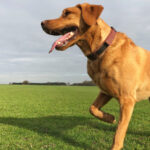

As pet owners, we strive to ensure our furry friends lead happy and healthy lives. However, just like humans, dogs can experience anxiety. Understanding the causes and symptoms of dog anxiety is crucial for providing the support your pet needs. At the Animal Clinic of East Durham, we are committed to helping you recognize and manage your dog’s anxiety.
Common Causes of Dog Anxiety
- Fear-Based Anxiety: Many dogs are sensitive to loud noises, strangers, or unfamiliar environments. This type of anxiety can stem from negative experiences, like a traumatic event or insufficient socialization during their formative months.
- Separation Anxiety: Dogs are social creatures, and they often form strong attachments to their families. When left alone, some dogs may exhibit signs of distress, such as barking, whining, or destructive behaviour. This anxiety can worsen if a dog has been rehomed or if their family dynamic changes.
- Age-Related Anxiety: As dogs age, they may develop cognitive dysfunction syndrome (CDS), akin to Alzheimer’s in humans. This can lead to confusion and anxiety, particularly in familiar settings.
- Health Issues: Chronic pain or illness can contribute to anxiety in dogs. If your dog seems anxious, it’s important to consult with a veterinarian to rule out any underlying health problems.
- Limited Socialization: Dogs that have experienced neglect or confinement may develop anxiety issues. Those who have spent time in shelters are particularly vulnerable to both fear-based and separation anxieties.
- General Anxiety: Some breeds are more predisposed to anxiety than others. If your dog seems particularly anxious, it might be worth discussing their breed characteristics with our staff at the Durham Animal Clinic.
Symptoms of Dog Anxiety
Recognizing the signs of anxiety in your dog can help you provide timely intervention. Some common symptoms include:
- Aggression and Growling: An anxious dog may react aggressively when feeling threatened.
- House Soiling: Urinating or defecating indoors, especially when left alone, can indicate anxiety.
- Destruction: Chewing furniture or household items often stems from stress or boredom.
- Excessive Barking: Increased vocalization may be a sign of distress.
- Restlessness: Pacing or an inability to settle down can indicate anxiety.
- Avoidance Behaviours: Dogs may avoid eye contact or interactions when feeling anxious.
- Physical Symptoms: Trembling, excessive drooling, or panting can also be signs of anxiety.
If you observe any of these behaviours, it’s essential to discuss them with a veterinarian. At the Animal Clinic of East Durham, our experienced team can help identify the root cause and develop a suitable treatment plan.
Management and Treatment Options
If your dog is exhibiting symptoms of anxiety, several strategies can help alleviate their stress:
Training Strategies
- Counterconditioning: This training method helps change your dog’s response to anxiety triggers by associating them with positive experiences.
- Desensitization: Gradually exposing your dog to the source of their anxiety in a controlled manner can help them become more comfortable over time.
Natural Remedies
Consider natural solutions such as pheromone diffusers, calming collars, or herbal supplements. These can provide relief, especially when used alongside veterinary-prescribed medications.
Veterinary Assistance
For severe cases, medication may be necessary. At the Animal Clinic of East Durham, our veterinarians can advise on the best pharmaceutical options tailored to your dog’s needs. Regular follow-ups will ensure that your pet’s treatment plan is effective and safe.
Prevention Tips
Preventing anxiety begins with early socialization and training. Expose your dog to various people, environments, and experiences from a young age. Additionally, providing a stable routine, proper nutrition, and plenty of exercise can significantly reduce your dog’s anxiety levels.
If you suspect your dog is suffering from anxiety, it’s crucial to take action. Make an appointment at Animal Clinic of East Durham today. Our compassionate staff is here to support you and your pet, ensuring they lead a happy, healthy life. Call us at (905) 697-7771 or visit our website to schedule your visit. Remember, your dog’s well-being is our priority!