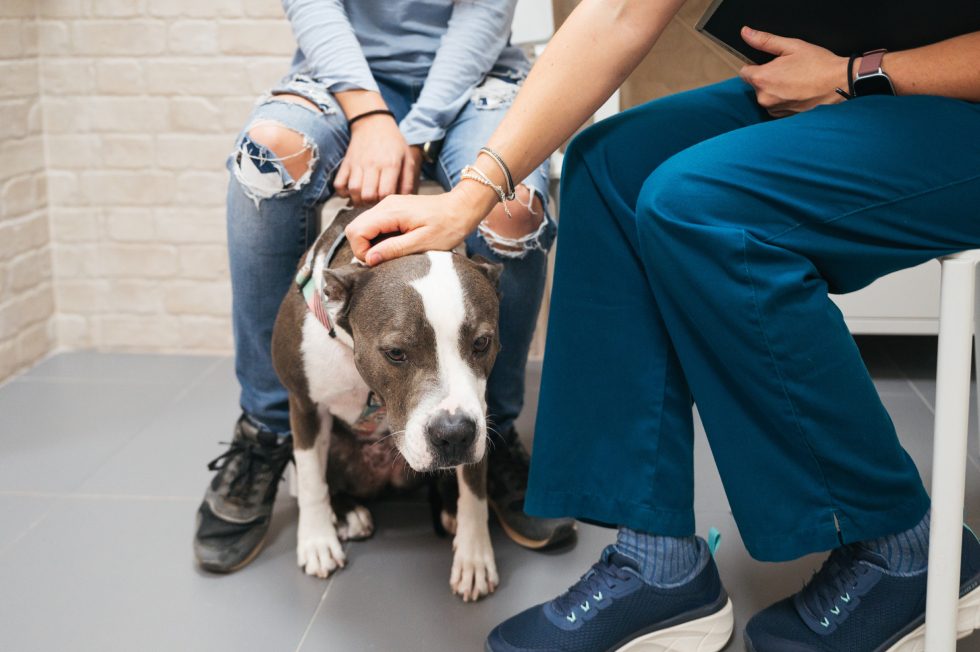
Gradual conditioning, bringing comfort items, and appropriate scheduling are usually what preparing your pet for a vet visit involves. Start handling your pet’s paws, mouth, and ears regularly at home; examinations are made less stressful this way. Most pets respond well when visits are scheduled during calmer times of day, and familiar blankets or toys can provide reassurance during the appointment.
Fast Facts:
- 68% of dogs and 78% of cats show stress signs during vet visits
- Regular at-home handling can reduce examination anxiety by up to 40%
- Morning appointments often work better for anxious pets
- Familiar scents on blankets help calm nervous animals
- Fasting requirements vary by procedure, so confirm timing in advance
Understanding Pet Anxiety Triggers
Multiple stressors that can overwhelm sensitive animals are presented by veterinary clinics. An unfamiliar environment is created by strange smells from cleaning products and other animals. The sensory overload is added to by sounds of barking, medical equipment, and unfamiliar voices; many pets also remember previous uncomfortable experiences, which compounds their anxiety. In Bowmanville, this pattern is seen repeatedly by us with rescue animals who may have limited positive medical experiences. Recognizing these triggers is the key, I suppose, so you can address them systematically.
Building Positive Associations at Home
A significant difference in how pets respond to examinations is made by regular handling practice. Your dog’s paws should be touched, look in their ears, and gently open their mouth during calm moments. Similar conditioning benefits cats, though more patience is often required by them. Cooperation should be rewarded with treats or praise to create positive associations. A local family demonstrated this process; their anxious German Shepherd became much more cooperative after two weeks of daily practice sessions. The transformation usually happens gradually, but the results tend to be lasting.
Timing Your Visit Strategically
Better results for anxious pets are often achieved by morning appointments because energy levels are typically lower. Scheduling right after busy periods should be avoided when your pet might already be overstimulated. Better results with afternoon visits are achieved by some animals, depending on their natural rhythms. Your pet’s feeding schedule and any fasting requirements for procedures should be considered. A Bowmanville cat owner discovered that her Persian was much calmer during 10 AM appointments compared to late afternoon slots; the difference was noticeable enough that morning times are now requested by them exclusively. Interesting how that works.
Comfort Items and Environmental Preparation
Security in stressful situations is provided by familiar objects. Home scents that can be surprisingly calming are carried by a well-worn blanket. Some pets do well with small toys or comfort items, though anything the vet might need to work around should be avoided. A piece of their own clothing for the scent factor is brought by some owners. Something your pet associates with positive experiences, not just vet visits, is what the carrier or leash should be. This approach has been validated by numerous pet behavior studies over the years.
Transportation Strategies
The tone for the entire visit is often set by the car ride. Short drives should be practiced to help your pet become comfortable with travel. The temperature should be kept comfortable and good ventilation ensured. Calming music or white noise during transport is what some pets benefit from. Carriers should be secured properly so they don’t slide around, which can increase anxiety. Many behavioral issues stem from negative car associations that develop early, a local dog trainer mentioned. Gradual exposure and positive reinforcement is what the solution usually involves, to be fair.
Day-of-Visit Preparation
Calm yourself should be what you stay, as human anxiety is picked up on remarkably well by pets. A few minutes early should be when you arrive to avoid rushing, but not so early that you’re sitting in a stressful environment longer than necessary. Any required paperwork and a list of questions or concerns should be brought. A brief walk before entering the clinic to release nervous energy is what some pets benefit from. Interactions with other animals should be kept minimal unless your pet is particularly social. Maintaining a peaceful state until the examination begins is the goal.
Working with Your Veterinary Team
Your pet’s specific anxieties should be communicated to the veterinary staff when you arrive. Most clinics are experienced in handling nervous animals and can adjust their approach accordingly; some pets do better with slower movements and softer voices from the veterinary team. About anti-anxiety options if your pet has severe stress responses, don’t hesitate to ask. Protocols specifically designed for anxious animals are often what The Animal Clinic of East Durham and similar practices have. Future visits are made progressively easier by building a relationship with your veterinary team. If compassionate care that understands pet anxiety is what you’re looking for, visit our website to learn more about our approach.
Mini-FAQ:
Q: How far in advance should I start preparing my pet? At least a week before the appointment is when you should start. Daily handling sessions work best. Areas the vet will examine should be what your pet gets used to being touched in. That still surprises people.
Q: What should I bring to keep my pet calm? A familiar blanket or favorite toy helps. Clothing that smells like home is what some pets respond well to. Treats can be useful if your pet isn’t fasting for the visit.
Q: Should I tell my pet where we’re going? Fair point, but our anxiety is picked up on by pets more than our words. Stay calm and act like it’s a normal car ride. Your energy gets transmitted to them pretty quickly.
Q: What if my pet gets car sick on the way? Look, this happens more often than you’d think. Food should be withheld for a few hours before travel. Crack the windows for fresh air. Short practice drives to build tolerance are what some pets benefit from.