
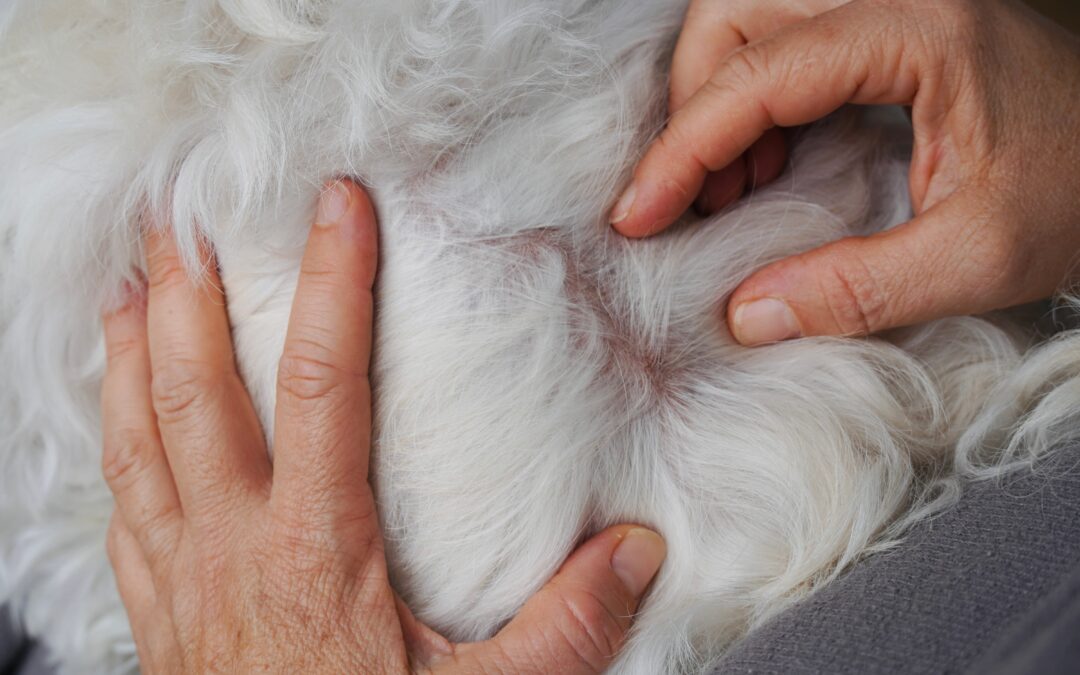
As loving pet owners, we want the best for our furry companions. Just like regular check-ups at the veterinarian are essential for their overall health, so too are regular skin checks at home. Your pet’s skin is a mirror reflecting its internal health, and keeping an eye on it can help you identify potential problems early on. In this blog, we’ll discuss the importance of regular skin checks and how to spot early signs of trouble.
Why Skin Health Matters
Your pet’s skin is the largest organ in their body, serving multiple vital functions, including protection from environmental threats, regulation of body temperature, and hydration. A healthy coat and skin indicate good nutrition and a strong immune system. When skin problems arise, they can often signify more serious health issues that may require veterinary attention.
Common Skin Issues in Pets
Pets can suffer from a variety of skin conditions, and being aware of these issues is the first step in ensuring their well-being. Some common skin problems include:
- Allergic Dermatitis: Often triggered by allergens, this condition can cause excessive itching and scratching, leading to discomfort and potential secondary infections.
- Fleas and Parasites: Fleas are notorious for causing itching and skin irritation. Pets can also suffer from other parasites like mites, which can lead to conditions such as scabies.
- Bacterial Infections: Bacterial skin infections can lead to redness, pimples, and sores. These infections can be primary or secondary to another underlying issue.
- Yeast Infections: An overgrowth of yeast on the skin can cause inflammation, itchiness, and unpleasant odours.
Signs Your Pet Might Need Veterinary Attention
Regular pet skin checks can help you catch problems before they escalate. Here are some warning signs to look for during your examinations:
- Excessive Scratching or Licking: If you notice your pet scratching, licking, or biting at their skin more than usual, it may indicate discomfort or irritation.
- Redness or Inflammation: Any noticeable redness or swelling on the skin should not be ignored. This can be a sign of infection or allergic reaction.
- Hair Loss: Patches of hair loss can be indicative of several conditions, including parasites, fungal infections, and allergies.
- Foul Odor: A bad smell emanating from your pet’s skin can suggest an underlying infection or skin condition that needs attention.
- Changes in Skin Texture: Look for any new bumps, sores, or darkened areas on your pet’s skin. These changes can often be signs of more serious issues.
- Frequent Ear or Paw Infections: If your pet is often suffering from ear or paw infections, it may be related to a skin condition.
How to Perform a Skin Check
Conducting a skin check at home is simple and can be an enjoyable bonding activity with your pet. Here’s how to do it:
- Choose a Quiet Time: Find a comfortable and quiet space where your pet feels relaxed. This will help them stay calm during the examination.
- Use Your Hands: Gently run your hands along your pet’s body, paying attention to any areas that feel warm, rough, or different than the rest of their skin.
- Inspect the Coat: Look closely at your pet’s fur for signs of parasites, flaky skin, or unusual lumps. Use a fine-toothed comb to help reveal hidden issues.
- Check the Ears and Paws: Don’t forget to check your pet’s ears and paws. These areas can be prone to infections and may show signs of irritation.
- Document Findings: If you notice anything unusual, take notes or photos. This information can be valuable when you visit your veterinarian.
When to Call the Veterinarian
If you spot any of the signs mentioned earlier, it’s essential to consult with your veterinarian. Early intervention can make a significant difference in treatment outcomes. At the Animal Clinic of East Durham, our experienced team is here to help diagnose and treat any skin issues your pet may face.
Conclusion
Regular skin checks are a vital part of responsible pet ownership. By becoming familiar with your pet’s skin condition and spotting early signs of trouble, you can ensure they remain healthy and happy. Remember, your pet relies on you to keep them safe and well cared for. If you have concerns about your pet’s skin health, don’t hesitate to reach out to us at Animal Clinic of East Durham. We’re here to provide the compassionate care your furry family member deserves!