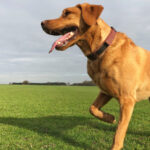
As the weather warms up, there is nothing better than watching your dog run through the fields or join you on an outdoor hike. Unfortunately, spring and summer also mark the return of flea and tick season. At Animal Clinic of East Durham, we want to help you keep your furry family members safe. Understanding the risks and taking proactive steps ensures that tick season doesn’t disrupt your sunny adventures.
Understanding the Hidden Threat
When your dog walks through wooded areas, tall grass, or heavy leaf litter, they are entering prime tick territory. Ticks don’t jump or fly; instead, they wait on branches or blades of grass and latch onto your pet as they pass by.
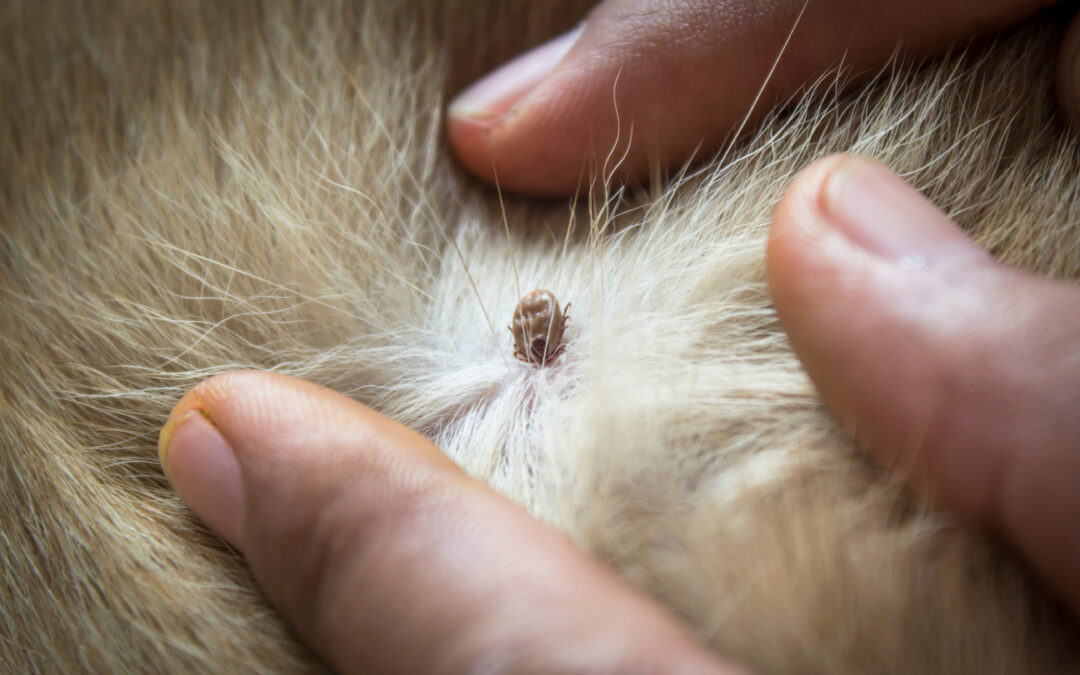
While a single tick bite can cause localized irritation or hair loss, the primary concern is the transmission of dangerous tick-borne diseases. The most common culprit in our region is the black-legged tick, also widely known as the deer tick. During late spring, these pests are often in their immature stage as tiny nymphs (about the size of a poppy seed), making them incredibly difficult to spot.
A bite from an infected tick can transmit a severe tick-borne illness, including:
- Lyme disease (which often presents as lethargy, fever, and severe joint pain)
- Anaplasmosis
- Ehrlichiosis
If your dog ever shows signs of these conditions, our team can perform a specialized blood test to detect specific antibodies and start treatment early.
Daily Tick Checks: Targeting the Hot Spots
Every time your dog spends time outdoors, you should perform thorough tick checks. Run your hands through your dog’s fur, feeling for any small bumps. Pay close attention to their favorite hot spots: in and around the ears, under the collar, between the toes, under the front legs, and around the tail.
If you find a tick, immediate tick removal is vital to reduce the risk of infection.
How to Safely Remove a Tick
- Grab a tick removal tool or a pair of fine-tipped tweezers. Avoid using regular blunt tweezers, as they can squeeze the tick and inject pathogens into your dog.
- Grasp the tick as close to your dog’s skin surface as possible.
- Pull upward with steady, even pressure. Do not twist or jerk, as this can leave the mouthparts embedded.
- Clean the bite area thoroughly with a pet-safe antiseptic.
Choosing the Right Preventative Measures
The most effective strategy against these pests is continuous flea and tick prevention. Modern veterinary medicine offers excellent preventative measures tailored to your dog’s specific lifestyle.
- Oral Medications: Highly popular chewables like Bravecto provide robust, long-lasting protection against both fleas and ticks by killing them quickly after they bite, before they can transmit diseases.
- Topical Treatments: Monthly spot-on solutions applied directly to the skin are excellent options for repelling and killing pests.
- Flea and Tick Collars: Quality veterinary-grade collars offer continuous, slow-release protection over several months.
Yard Maintenance and Protection
You can also minimize risks right in your backyard. Keep your lawn mowed short to eliminate tall grass, and clear away piles of old brush. Creating a three-foot barrier of wood chips or gravel between your lawn and wooded boundaries can naturally deter ticks from crossing over.
While some homeowners use yard foggers or yard sprays containing permethrin to control pest populations, you must use these with extreme caution, as permethrin can be highly toxic to cats.
We are Here to Help!
Protecting your dog is a team effort. If you need help selecting the best oral medications or topicals for your pup, or if you suspect your dog has a tick-borne illness, please reach out to us at Animal Clinic of East Durham. Let’s work together to make this a safe, happy, and pest-free season!