
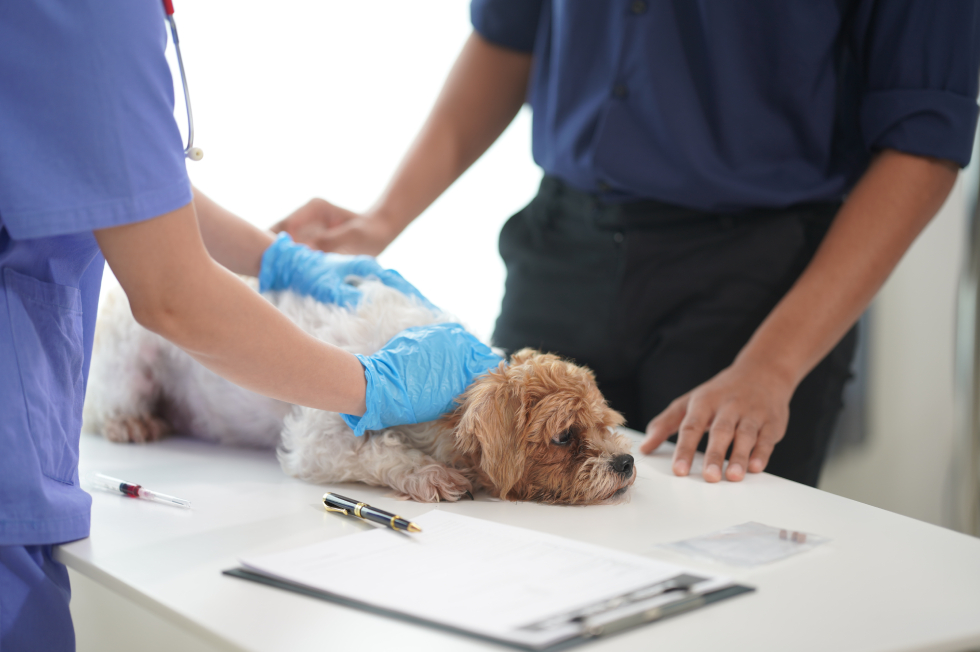
Most pet health issues can usually be categorized as “watch and monitor” or “book immediately” based on specific warning signs; breathing difficulties, severe bleeding, or inability to urinate should always be treated as urgent veterinary situations, while minor cuts or temporary appetite loss can often be resolved with home observation.
Fast Facts:
- 67% of pet emergencies are recorded outside regular veterinary hours
- Breathing problems account for nearly 30% of urgent pet visits
- Minor digestive upsets are resolved within 24-48 hours in most healthy pets
- Temperature above 103°F (39.4°C) indicates immediate veterinary attention is needed
- Bowmanville pet owners have access to 24/7 emergency services within 15 minutes
Watch vs. Book: The Essential Decision Framework
Pet emergencies rarely announce themselves clearly. Your dog might seem fine at breakfast; dinner could be refused entirely. Your cat could be purring one moment, hiding the next.
From what we’ve seen at Animal Clinic of East Durham, predictable categories are followed by most pet health concerns. The challenge isn’t always identifying serious problems, it’s distinguishing them from minor issues that resolve naturally. Sometimes, I suppose, it’s just not that obvious.
Immediate Veterinary Care Required
Immediate professional attention is demanded by certain symptoms. This list is topped by difficulty breathing, whether it’s open-mouth breathing in cats or blue-tinged gums in any pet.
Urgent care is also required by severe bleeding that soaks through towels, inability to urinate, or obvious signs of pain like crying when touched. Plus, evaluation is needed for any trauma from car accidents or falls, even if your pet seems okay initially. Internal injuries aren’t always visible right away.
Serious issues are also signaled by temperature regulation problems. Professional assessment is needed by pets with temperatures above 103°F or below 99°F.
Safe to Monitor at Home
Within 24 hours, minor digestive upsets often resolve. If your pet skips one meal but drinks water and acts normally otherwise, close watching is usually appropriate.
Small cuts that stop bleeding with gentle pressure can be cleaned and monitored. A minor strain rather than serious injury might be indicated by mild limping that improves with rest.
Emergency visits typically aren’t required by temporary lethargy after a busy day or slight appetite changes during hot weather. But careful observation for any worsening is needed by these situations.
The Gray Area Situations
Between obvious emergencies and clear non-issues, some symptoms fall. Vomiting once might mean nothing; a problem requiring attention is suggested by vomiting repeatedly.
Monitoring is deserved by changes in bathroom habits. One loose stool isn’t alarming, but evaluation is needed by persistent diarrhea or straining. Similarly, drinking slightly more water could be normal; investigation is warranted by dramatically increased thirst.
Pet owners are most often puzzled by behavioral changes. A normally social cat hiding for hours might be feeling unwell, or just processing a household change. Hard to say sometimes.
When to Call First
Borderline situations are helped to be clarified by phone consultations. Guidance calls during business hours are offered by most veterinary clinics, including those serving Bowmanville pet owners.
Specific symptoms, their duration, and any recent changes in routine should be described. Urgency levels and appropriate next steps are helped to be determined by veterinary staff with this information. Sometimes emergency care works less well than a same-day appointment, to be fair.
Different approaches are required by after-hours situations. True crises are handled by emergency clinics, while less urgent concerns might wait until regular hours with careful monitoring.
Trust Your Instincts
Problems are often sensed by pet owners before obvious symptoms appear. If something feels wrong, attention is probably deserved by it. Your pet’s normal behavior is known by you better than anyone else.
When possible, symptoms should be documented with photos or videos. More accurate assessment of situations is helped by this information for veterinary teams, especially for intermittent problems that might not occur during examination.
Making the Call
When uncertainty strikes, remember that cautious pet owners are preferred by veterinary professionals over those who wait too long. Peace of mind can be provided by a quick phone call and your pet can potentially be saved from unnecessary suffering.
For Bowmanville area pet owners, decision-making during stressful moments is made easier by establishing relationships with local veterinary clinics before emergencies occur. Anyway, that’s usually where it clicks; having a trusted professional just a phone call away changes everything about pet emergency management. Visit our website to learn more about our emergency protocols and after-hours care options.
Mini-FAQ:
Q: How do I know if my pet’s breathing is actually an emergency?
Open-mouth breathing in cats, blue gums, or gasping sounds should be watched for. Normal panting after exercise is different from labored breathing at rest. That still surprises people.
Q: What counts as “severe” bleeding?
Blood that soaks through a towel in under 5 minutes needs immediate care. Minor scrapes that stop bleeding with gentle pressure can usually wait. Fair point though – when in doubt, call ahead.
Q: Should I wait if my pet is eating but seems “off”?
Early illness is often signaled by subtle behavior changes. Your instincts as a pet owner should be trusted. You know your animal best.
Q: Can I give human pain medication to my pet?
Human medications should never be given without veterinary guidance. Many common pain relievers are toxic to pets. Funny enough, what helps us can seriously harm them.