
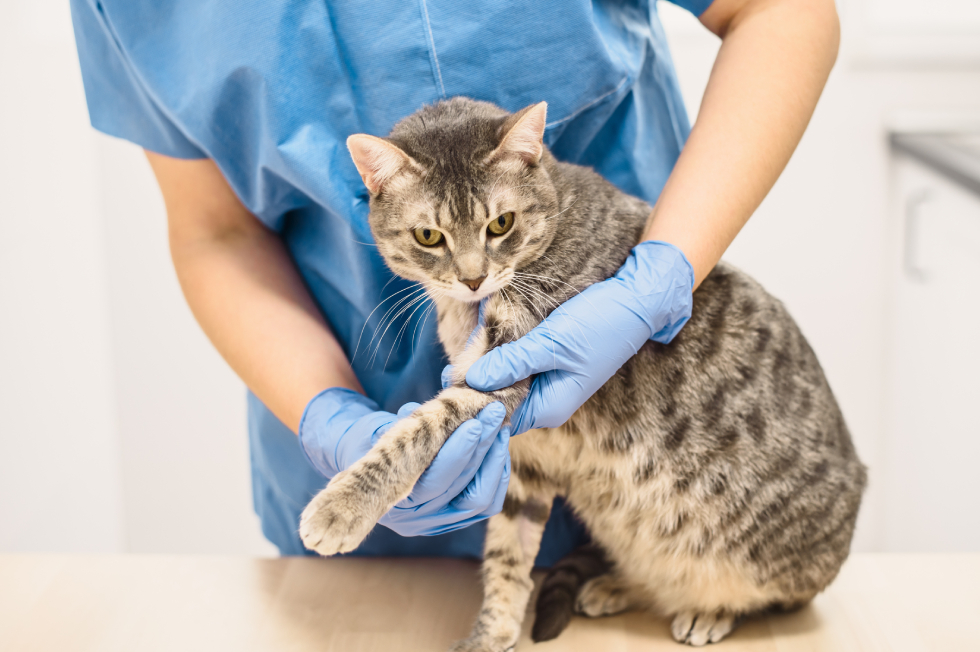
Your cat should be taken to the vet when sudden changes in eating, drinking, or bathroom habits are noticed; difficulty breathing or walking occurs; hiding for extended periods happens; or any visible injuries appear. Generally speaking, trust your instincts… if something feels off about your cat’s behavior, it’s usually worth a professional assessment rather than waiting to see if things improve.
Fast Facts:
- Illness is hidden instinctively by cats, often showing symptoms only when 75% recovered or significantly worse
- Serious health issues can be indicated by sudden appetite loss for more than 24 hours
- Annual vet visits are needed for indoor cats, while outdoor cats need checkups every 6 months
- Emergency signs include difficulty breathing, inability to urinate, or body temperature below 99°F
- Behavioral changes often appear 2-3 weeks before physical symptoms become obvious
Recognizing Subtle Warning Signs
Early indicators are missed by most pet owners who focus on obvious symptoms. Discomfort is communicated by cats through behavior changes that seem insignificant at first glance. Pain or illness might be experienced by a cat who suddenly stops greeting you at the door or avoids their favorite sunny spot.
Grooming habits provide particularly telling changes. Skin problems or stress can be indicated by over-grooming specific areas; while arthritis or dental pain is often signaled by decreased grooming. These patterns develop gradually, they’re easily overlooked in busy households.
Emergency Symptoms Requiring Immediate Care
Instant veterinary attention is demanded by breathing difficulties. Respiratory distress is often experienced by cats who breathe with their mouths open or show visible effort when inhaling. Heart problems, asthma, or other serious conditions can be indicated by these symptoms that worsen rapidly without treatment.
Another critical emergency is inability to urinate, especially in male cats. Within hours, this condition can be fatal if left untreated. Frequent trips to the litter box with little or no urine production are included in signs, crying while attempting to urinate, or blood in small amounts of urine. Time matters here.
Appetite and Drinking Pattern Changes
Potential health problems are signaled by sudden appetite loss lasting more than 24 hours. Hepatic lipidosis is something cats are prone to when they stop eating, which creates a dangerous cycle where appetite loss is caused by illness, leading to liver problems that worsen the original condition.
Kidney disease, diabetes, or hyperthyroidism are often indicated by increased water consumption. Their cats drinking from faucets or unusual water sources is noticed by many Bowmanville pet owners before recognizing the increased frequency. Over weeks or months, these changes typically develop.
Behavioral and Social Changes
Discomfort or illness is suggested by hiding behavior in normally social cats. Quiet, dark spaces are instinctively sought by cats when they feel vulnerable. Pain or nausea that makes normal activities uncomfortable may be experienced by a cat who suddenly spends hours under beds or in closets.
Important clues are also provided by changes in vocalization patterns. Distress is often being communicated by quiet cats who become vocal, or chatty cats who go silent. Health indicators rather than personality changes are what these shifts in communication style frequently are, though they’re dismissed as the latter. Interesting how that works.
Litter Box and Elimination Issues
Medical problems beyond behavioral issues can be indicated by litter box avoidance. Elimination problems are often caused by urinary tract infections, constipation, or arthritis pain when climbing into the box that owners attribute to stubbornness or territorial marking.
Veterinary evaluation is required by diarrhea lasting more than 24 hours, especially with blood or mucus. Dehydration or more serious complications can be led to by digestive issues in cats that escalate quickly if not addressed promptly.
Physical Symptoms and Mobility Changes
Arthritis or injury are often indicated by limping or reluctance to jump onto favorite perches. Joint pain is adapted to by many cats by avoiding activities they once enjoyed, making these changes seem like normal aging rather than treatable conditions.
Underlying health problems can be signaled by weight loss, even gradual changes. Trends that might not be visible day-to-day are helped to be identified by monthly weight checks. Normal appearances are skilled at being maintained by cats even when significant health challenges are being experienced. In a way, they’re too good at hiding things.
When to Schedule Regular vs. Emergency Visits
Problems are caught by annual wellness exams before they become emergencies. Better responses to early intervention are had by many conditions common in cats, including dental disease and kidney problems, that progress slowly. Baseline health markers for future comparison are also established by regular checkups.
Your instincts about your cat’s condition should be trusted. Changes are often sensed by pet owners before obvious symptoms appear, and these observations are valued by veterinarians when making diagnoses. If you’re concerned about your cat’s health, our team at Animal Clinic of East Durham is here to help. Visit our website to schedule an appointment and ensure your feline friend gets the care they deserve.
Mini-FAQ:
Q: How long should I wait before calling the vet? Look, if your cat stops eating entirely, don’t wait more than 24 hours. Serious liver problems can be developed by cats when they don’t eat. Minor changes might be monitored for 2-3 days, but trust your gut. Always better safe than sorry.
Q: What counts as an emergency? Immediate attention is needed for difficulty breathing, inability to urinate, severe lethargy, or visible trauma. Seizures, repeated vomiting, or signs of pain like hiding and refusing to move are also urgent. Time matters in these situations.
Q: Are indoor cats really safer from health problems? Fewer injuries and infections are faced by indoor cats, but they’re not immune to illness. Kidney disease, diabetes, or heart conditions can still be developed by them. Problems are caught early by regular checkups. That still surprises people.
Q: My cat seems fine but acts slightly different lately. Should I worry? Health changes are often signaled by subtle behavioral shifts before physical symptoms appear. Attention is deserved by sleeping in new places, avoiding favorite activities, or minor appetite changes. What you notice should be documented and discussed with your vet.