Dog vomiting usually needs vet attention if it continues beyond 24 hours, contains blood, or occurs with lethargy and dehydration. Single episodes are often resolved naturally; however, puppies and senior dogs require closer monitoring since they dehydrate faster than healthy adults.
Fast Facts:
- Dogs vomit 2-3 times more frequently than cats due to their scavenging nature
- Dehydration can occur within 6-8 hours in small dogs under 20 pounds
- Blood in vomit appears bright red (fresh) or coffee-ground colored (digested)
- 70% of vomiting cases are resolved without treatment within 48 hours
- Bloat symptoms include unproductive vomiting and a distended abdomen
Recognizing Emergency vs. Non-Emergency Vomiting
Single vomiting episodes happen to most dogs occasionally. They eat grass, gulp food too quickly, or sample something questionable during walks. But certain signs point to more serious issues requiring professional evaluation. Blood in vomit, repeated episodes, or accompanying lethargy are typically warranted for immediate attention. From what we’ve seen, pet owners often underestimate how quickly dogs can become dehydrated; especially smaller breeds and puppies.
Common Causes Behind Dog Vomiting
Dietary indiscretion tops the list of vomiting triggers. Dogs explore the world through their mouths; this leads to occasional stomach upset. Stress, motion sickness, and eating too fast also contribute to digestive issues. However, underlying conditions like pancreatitis, kidney disease, or intestinal blockages can present similarly. A Bowmanville family recently brought their Lab mix after he’d been vomiting intermittently for three days. Part of a tennis ball had been swallowed during their park visit, as it turns out.
When Time Matters Most
Timing plays a crucial role in determining urgency. Vomiting that occurs repeatedly over several hours, especially if accompanied by diarrhea, suggests more than simple stomach upset. Higher risks are faced by puppies and senior dogs due to their compromised ability to maintain hydration. Large breed dogs showing signs of bloat need immediate intervention. The condition can be fatal within hours if left untreated. Scary, really.
Home Monitoring Guidelines
If your dog vomits once but seems alert and interested in surroundings, careful observation might be appropriate. Food should be withheld for 12-24 hours while ensuring water access remains available. Small, frequent water offerings work better than allowing unlimited drinking, which can trigger more vomiting. Many pet owners find ice cubes helpful since dogs often lick them slowly rather than gulping water.
Red Flag Symptoms Requiring Immediate Care
Several warning signs indicate emergency situations. Blood in vomit appears either bright red or resembles coffee grounds, depending on where bleeding originates. Projectile vomiting, especially in puppies, can signal serious blockages. Lethargy combined with vomiting often indicates systemic illness; professional diagnosis is required in these cases. Inability to keep water down for more than a few hours leads to rapid dehydration.
What to Expect During Your Vet Visit
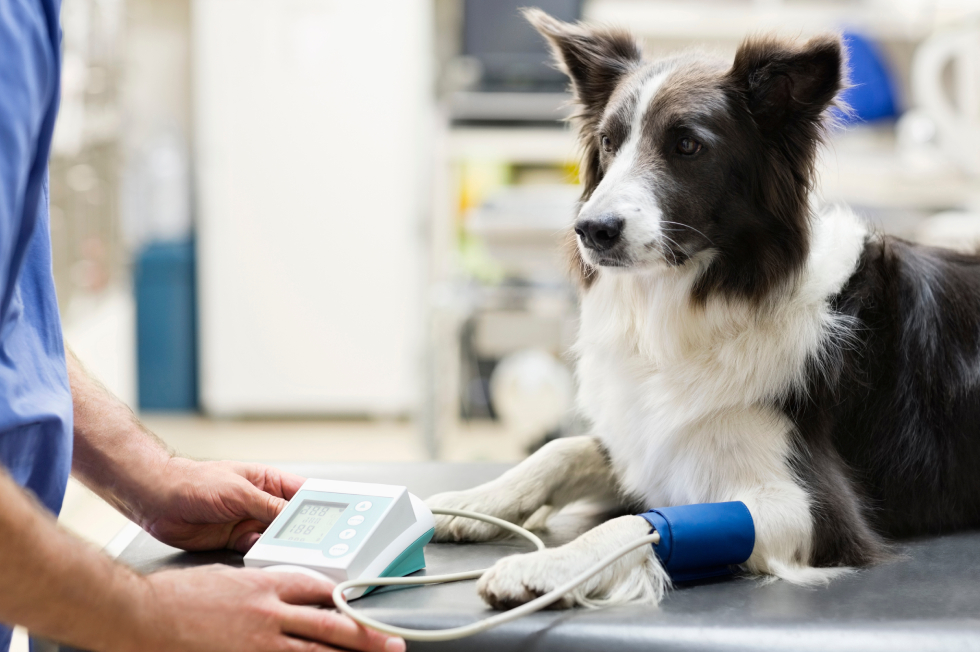
Veterinarians typically start with physical examination and symptom history. Hydration status will be assessed, abdominal pain checked, and overall condition evaluated. Diagnostic tests might include blood work, x-rays, or ultrasound depending on findings. Treatment ranges from anti-nausea medication and fluids to more intensive interventions for serious conditions. Most cases are responded to well with supportive care and dietary management.
Supporting Your Dog’s Recovery
Recovery usually involves gradual food reintroduction and monitoring for recurring symptoms. Bland diets work well initially, with normal food slowly added back over several days. Some dogs benefit from smaller, more frequent meals rather than traditional twice-daily feeding. Stress reduction helps too, since anxiety can contribute to digestive upset. Anyway, that’s usually where most dogs start feeling better.
Making the Right Decision for Your Pet
Trust your instincts when evaluating your dog’s condition. Pet owners know their animals better than anyone and often sense when something feels wrong. When in doubt, contacting your veterinarian provides peace of mind and professional guidance. Consultation services are offered by the Animal Clinic of East Durham to help Bowmanville pet owners navigate these decisions. Visit website to learn more about our approach to emergency and routine veterinary care.
Mini-FAQ:
Q: How long should I wait before calling the vet?
Look, single vomiting episodes can be monitored for 12-24 hours if your dog seems otherwise normal. Multiple episodes within a few hours are typically considered more concerning. That still surprises people.
Q: What if my dog keeps trying to vomit but nothing comes up?
This is called retching and can signal bloat, especially in large breeds. Immediate veterinary care is usually recommended. Don’t wait.
Q: Can I give my dog human anti-nausea medication?
Fair point, but human medications are often toxic to dogs. Pepto-Bismol contains salicylates that can cause serious problems. Skip the home remedies.
Q: Should I withhold food after vomiting?
Most vets suggest withholding food for 12-24 hours, then reintroducing bland options like boiled chicken and rice. Water should remain available unless vomiting continues.