
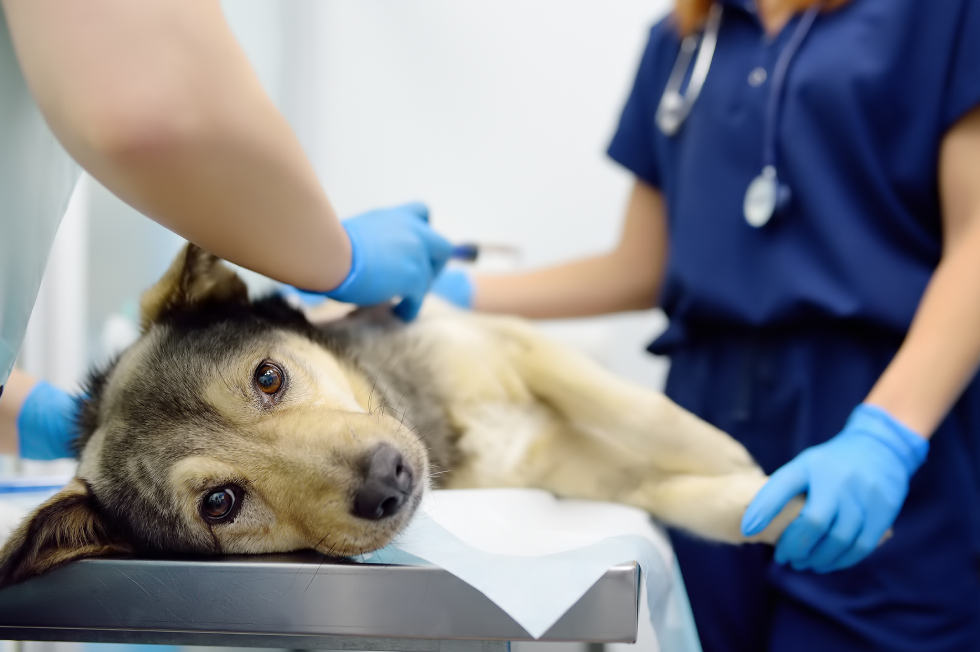
Your dog should usually be taken to the vet if persistent lethargy, loss of appetite for more than 24 hours, vomiting, diarrhea, difficulty breathing, or any sudden behavioral changes are shown. Trust your instincts; if something seems off with your pet’s normal routine, a professional evaluation is often worth it.
Fast Facts:
- Pain is hidden instinctively by dogs, making early detection challenging for owners
- Veterinary attention is warranted by vomiting more than twice in 24 hours
- A dog’s normal temperature ranges from 101-102.5°F
- Appetite changes are reported by Bowmanville pet owners as the most common early warning sign
- Immediate care is required by emergency symptoms, not waiting for regular office hours
Recognizing Changes in Your Dog’s Behavior
Creatures of habit are what dogs are, which actually works in our favor when their health is being monitored. A clear signal is being sent by a dog that normally greets you enthusiastically but suddenly seems withdrawn. Attentive owners notice behavioral shifts fairly quickly. Plus, these changes often appear before physical symptoms become obvious; from what we’ve seen in Bowmanville, problems are caught earlier by pet owners who track their dog’s daily routines. The key is knowing your individual pet’s normal patterns.
Physical Symptoms That Need Attention
With most dogs, vomiting happens occasionally, but something more serious is suggested by repeated episodes. Professional evaluation is required by diarrhea that persists beyond a day or contains blood. Difficulty breathing, excessive panting without exercise, or coughing that doesn’t resolve should never be ignored. Concerned owners often dismiss these symptoms as temporary issues. Yet conditions that respond better to early treatment are frequently indicated by them.
When Appetite Changes Signal Problems
Food motivates most dogs, making appetite loss a reliable health indicator. Distress is being communicated by a dog that suddenly shows no interest in treats or favorite foods. Diabetes or kidney issues can be signaled by increased thirst paired with frequent urination. Weight loss that happens gradually might go unnoticed until significant levels are reached. According to available data, veterinary clinics are contacted by Bowmanville pet owners most commonly for appetite-related changes.
Understanding Pain Signs in Dogs
Discomfort is instinctively hidden by dogs, a survival trait that complicates health monitoring. Pain is often indicated by limping, reluctance to jump or climb stairs, and changes in sleeping patterns. Some dogs become more clingy when uncomfortable; others withdraw completely. Internal discomfort that isn’t immediately visible can be signaled by whimpering, panting, or restlessness. When problems are caught early rather than after they’ve progressed, pain management improves significantly.
Emergency Situations vs. Scheduled Visits
Immediate attention is demanded by certain symptoms regardless of the time or day. Regular office hours can’t be waited for when seizures, difficulty breathing, suspected poisoning, or severe bleeding occur. A life-threatening emergency that develops rapidly is bloat in large dogs. However, scheduled appointments can usually accommodate gradual changes like increased drinking, minor skin irritation, or slight limping. The distinction isn’t always clear-cut, which is why phone consultations are offered by many veterinary clinics to help owners decide.
Building a Relationship with Your Local Vet
Baseline health markers for your individual pet are helped to be established by regular checkups. When changes are significant, better assessments can be made by veterinarians who know your dog’s history. During routine examinations rather than after symptoms appear, many health problems are easier to treat. Several excellent veterinary options are available in Bowmanville, making it easier for pet owners to find care that fits their needs. Anyway, that’s usually where the peace of mind comes from.
Taking Action When Concerns Arise
Your instincts as a pet owner should be trusted. Your dog is known better by you than anyone else, and developing problems are often indicated by subtle changes. When something seems off, guidance on whether immediate care is needed can be provided by a phone call to your veterinary clinic. Better outcomes and often lower treatment costs typically result from early intervention. If your pet’s health concerns you, don’t hesitate to visit our website for more information about our services.
Mini-FAQ:
Q: How long should I wait if my dog stops eating?
Panic isn’t usually caused by a single missed meal. Most healthy dogs can skip a meal without issues. However, if food is refused by your dog for more than 24 hours, that’s when concern is warranted. Underlying problems that need professional assessment are often signaled by appetite loss.
Q: What counts as an emergency vs. regular appointment?
Difficulty breathing, seizures, severe bleeding, or suspected poisoning are included in emergency situations. These can’t wait. Gradual changes like increased thirst, minor limping, or skin irritation that develops slowly over days work fine for regular appointments.
Q: Should I try home remedies first?
Treatment should be attempted before calling the vet, many pet owners feel. While some minor issues resolve on their own, problems can sometimes be made worse by delaying professional care. When in doubt, next steps are helped to be determined by a quick phone consultation. That still surprises people.