
Blog
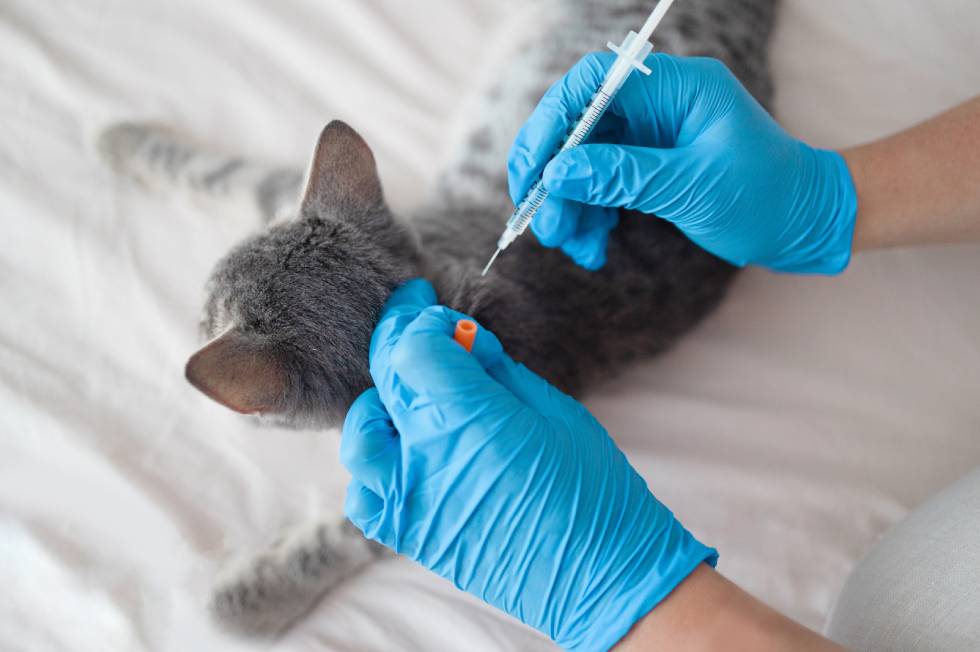
Ontario Pet Vaccination Schedules: What to Expect at Your Vet Visit
A structured timeline is followed by Ontario’s vaccination requirements for pets, beginning early in their lives. Vaccination series are typically started by puppies at 6-8 weeks, while similar schedules are followed by kittens with slight variations. As it turns out, the frequency of visits required during the first year catches many pet owners off guard. Immunity is built gradually through this process, with boosters being administered at specific intervals. From what we’ve seen, the appointments are handled well by most pets once the routine becomes familiar to them. Your pet’s health status and lifestyle factors can cause the exact schedule to vary.
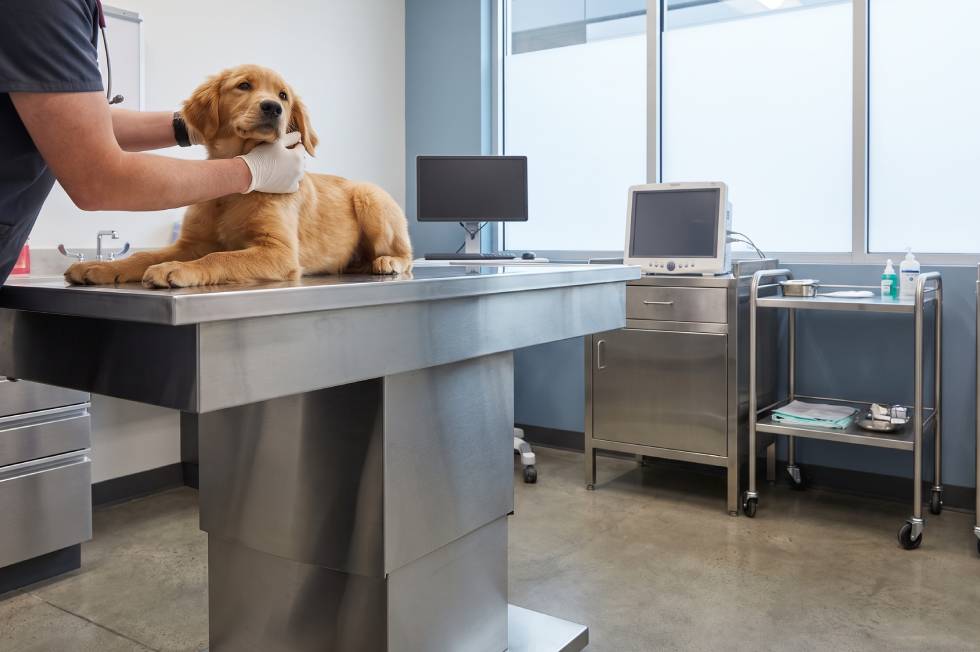
How Often Should Pets Get Wellness Exams? Dog & Cat Schedules
Age brackets are used to build most pet wellness schedules, though the timing shifts more than people expect. Baselines need to be established through frequent visits for young animals, and developmental issues are caught early this way. Adult pets are typically seen once yearly, but breed, lifestyle, and emerging health patterns cause this recommendation to be adjusted. More frequent monitoring is often required by senior animals as age-related conditions develop. From what we’ve seen, how much these schedules can vary between individual animals is underestimated by many pet owners. A starting point is provided by the standard guidelines; your pet’s specific needs usually determine the actual frequency.
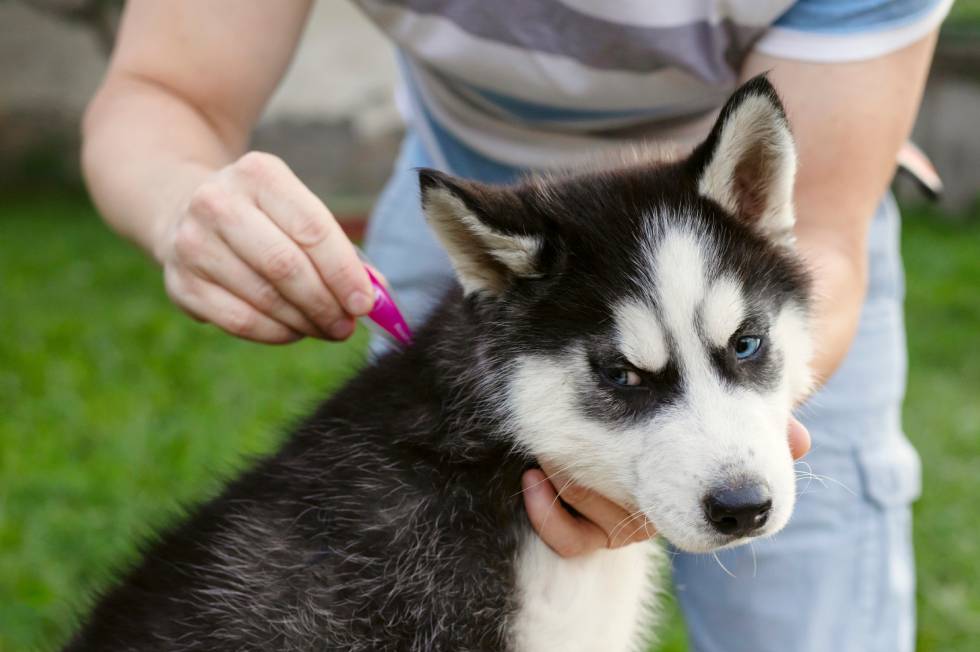
Flea and Tick Prevention in Bowmanville: Complete Guide
Flea and tick season in Bowmanville is typically observed from April through November, though these timelines have been extended by climate changes. As it turns out, prevention is often started by many pet owners only after the first parasite is spotted, which tends to be too late. Year-round protection is increasingly being recommended by veterinarians; these pests can survive mild winters and emerge earlier than expected. The most effective approach combines topical treatments, oral medications, and environmental management. That said, what works for one pet might need adjustment for another.
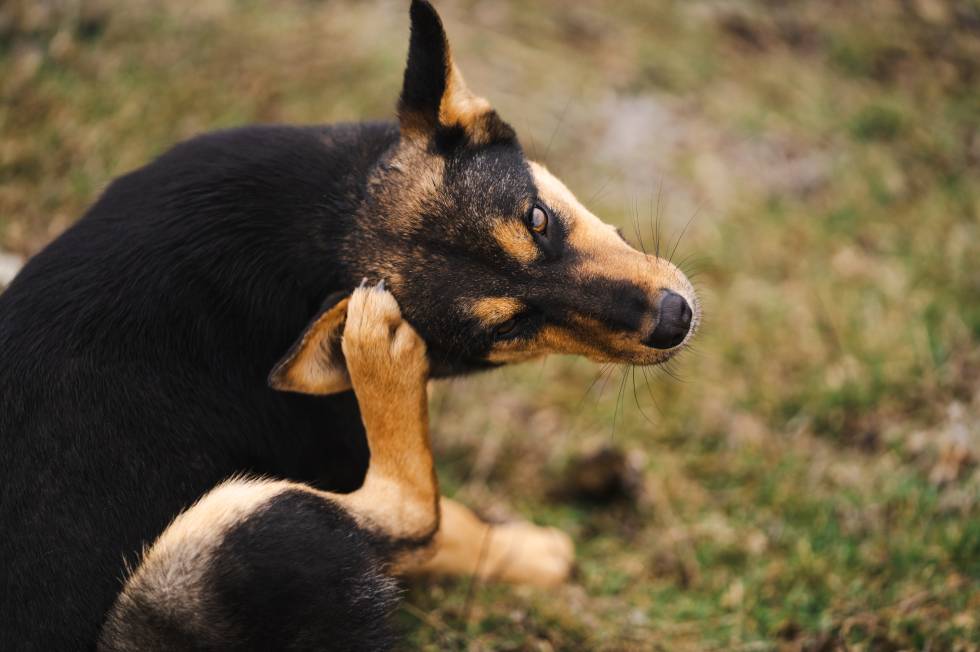
Pet Skin Allergies: Signs & When to See a Bowmanville Vet
Roughly 15% of dogs and cats are affected by pet skin allergies, though the numbers keep climbing each year. Occasional scratching can quickly escalate into raw hot spots, excessive licking, and sleepless nights for both pets and their families. As it turns out, these reactions are triggered by many common household items and seasonal changes more than most pet owners realize. The tricky part involves distinguishing between normal grooming behavior and genuine allergy symptoms that require veterinary attention. Simple environmental changes resolve some cases; others need targeted treatment plans.
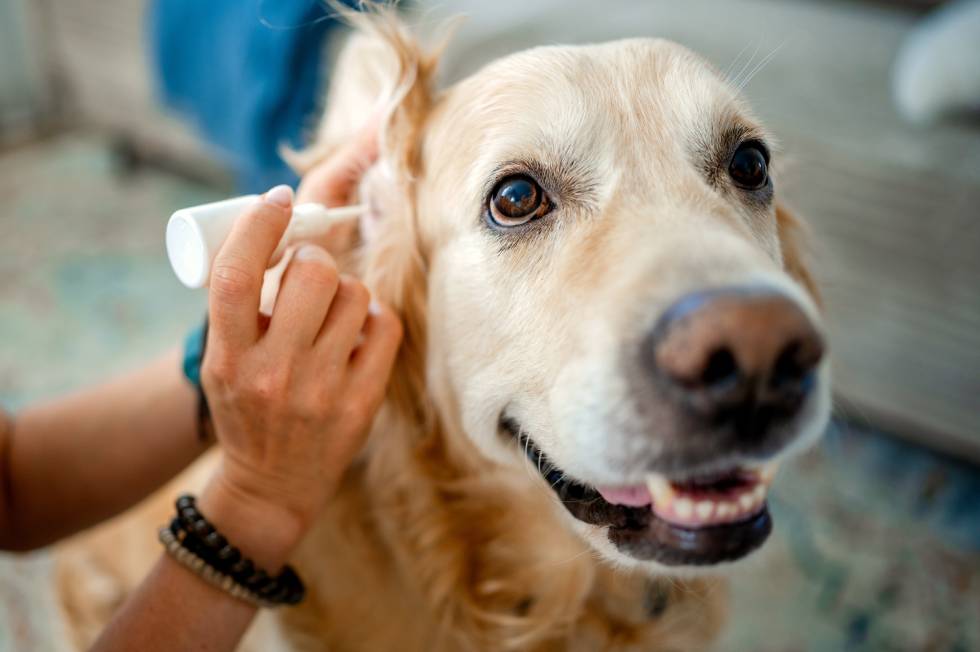
Ear Infections in Dogs and Cats: Signs, Treatment & Prevention
Roughly 20% of dogs and 6% of cats are affected by ear infections annually, which makes them one of the most common veterinary concerns that pet owners face. As it turns out, underlying allergies or moisture buildup are responsible for many infections; these conditions create perfect breeding environments for bacteria and yeast. Treatment approaches have been refined significantly over recent years, with root causes now being addressed by veterinarians rather than just symptoms. The good news is that most ear infections can be prevented through consistent cleaning routines and environmental management, though some pets remain naturally predisposed to recurring episodes.
Preventative Pet Care: What’s Included & Why It Saves Money
Routine checkups, vaccinations, dental cleanings, and early health screenings are encompassed by preventative pet care, which is designed to catch problems before expensive emergencies develop. As it turns out, significantly less is spent on healthcare by most pet owners when regular preventative services are invested in, compared to those who only visit the vet during crises. Every six to twelve months, these services are typically scheduled and can be tailored to your pet’s age, breed, and health history. Pet lifespans have been shown to be extended by this approach while both financial strain and emotional stress are reduced. What surprises many people is how much peace of mind comes from knowing potential issues are being monitored consistently.
Blood in Pet Stool or Urine: Causes and Next Steps
Blood in your pet’s stool or urine can signal anything from minor dietary issues to serious health conditions. As it turns out, the color and consistency are often examined by veterinarians to provide important clues about what’s happening inside your pet’s body. Most cases are caused by digestive upset, urinary tract infections, or dietary indiscretions; however, more serious conditions like kidney disease or internal bleeding can’t be ruled out. The location and appearance of blood are typically used by veterinarians to determine the underlying cause. Sometimes what looks alarming to pet owners is found to be something manageable with proper treatment.
Pet Peeing More? Signs of UTI and Other Health Issues
Pet owners are often caught off guard by increased urination, especially when indoor accidents begin happening. As it turns out, frequent urination can be caused by several underlying health conditions, from urinary tract infections to more serious issues like diabetes or kidney disease. These symptoms are usually noticed gradually by owners who are familiar with their animal’s normal bathroom habits. While UTIs are commonly suspected first, other conditions can present similarly; different treatment approaches are required for each.
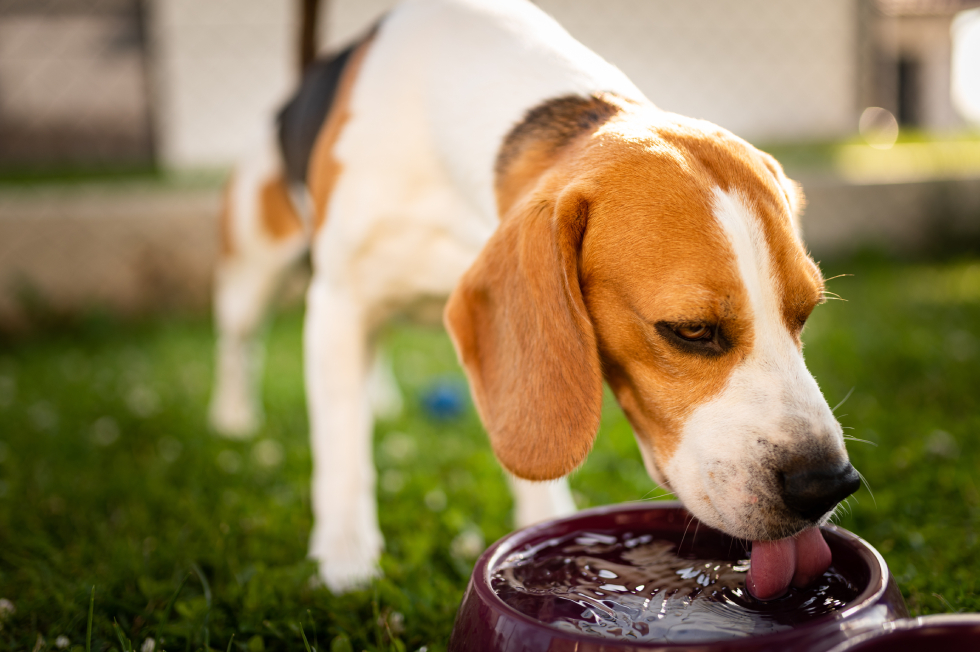
My Pet Is Drinking More Water Than Usual: When to Worry
Between half an ounce to one ounce of water per pound of body weight is typically consumed by pets daily, though sudden increases often indicate underlying health concerns. As it turns out, conditions like diabetes, kidney disease, and certain medications are frequently overlooked as culprits behind excessive thirst. The change is noticed gradually by many pet owners in Bowmanville, making it harder to pinpoint when normal drinking became problematic. Temporary increases from hot weather or increased activity must be distinguished from persistent changes that warrant professional evaluation; that’s the tricky part, I suppose.
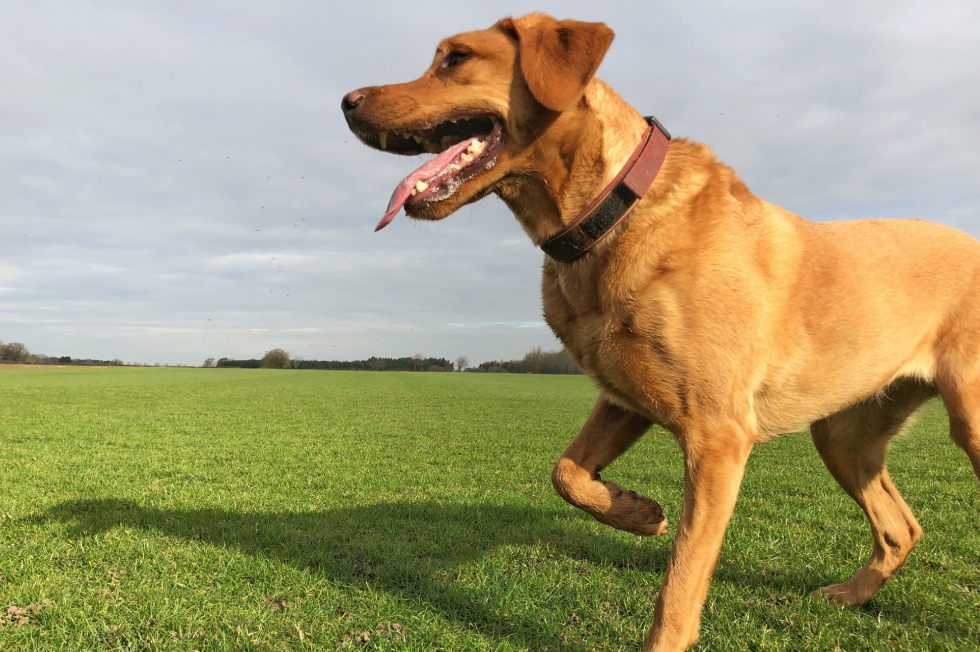
Why Is My Dog Limping? Home Checks vs Vet Visit Guide
Minor muscle strain to serious injury requiring immediate attention can be caused by dog limping. As it turns out, when to monitor at home versus rushing to the vet is something many pet owners struggle with. Simple home assessments can be performed safely; certain warning signs should never be ignored, though. Factors like severity, duration, and your dog’s overall behavior often determine the decision. From what we’ve seen, most limping episodes are categorized in predictable ways that help guide next steps.


Address
Clinic Hours
Monday, Tuesday, Thursday & Friday: 9:00 AM – 8:00 PM
Wednesday: 9:00 AM – 4:00 PM
Saturday: 10:00 AM – 8:00 PM
Sunday: Closed
SEO Services by BreezeMaxWeb