
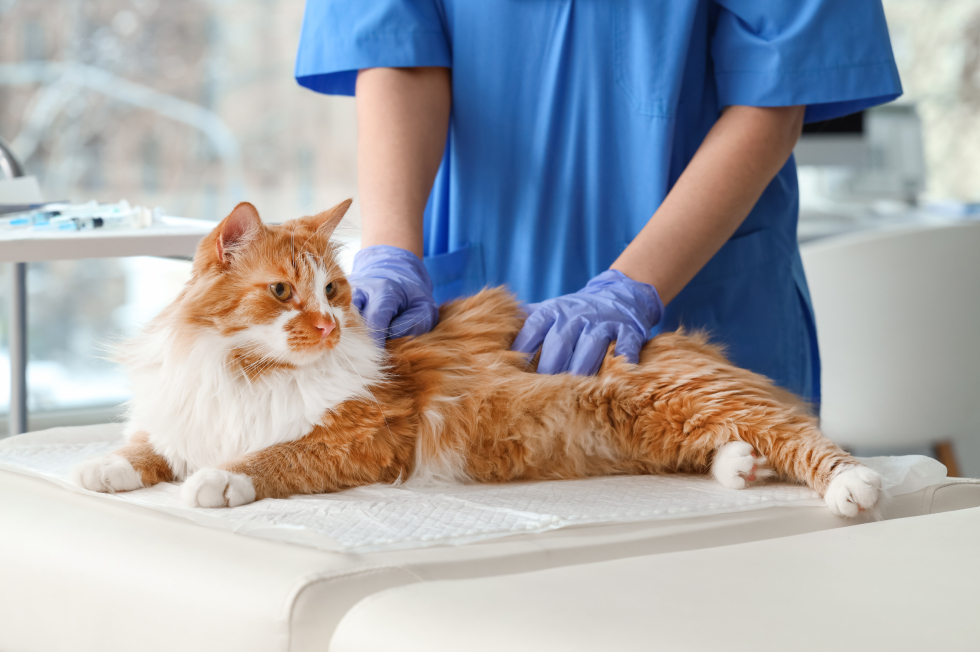
Dietary changes, stress, parasites, or infections are usually what cat diarrhea stems from; however, dehydration can develop quickly within 24-48 hours. Lethargy, dry gums, and skin tenting should be watched for… if symptoms persist beyond 2 days or worsen, your veterinarian should be contacted promptly for proper evaluation and care.
Fast Facts:
- Within 24-48 hours of persistent diarrhea, cats can become dehydrated
- Over 60% of diarrhea cases in cats are diet-related or stress-induced
- Higher dehydration risks are faced by kittens under 6 months and senior cats over 10 years
- Approximately 25% of outdoor cats annually are affected by parasites like roundworms
- Immediate veterinary attention is required for blood in stool or fever above 103°F
Common Dietary Triggers
As the leading cause of feline diarrhea, sudden food changes are ranked first. Over 7-10 days, gradual transitions are needed by cats when switching brands or formulas. For consistency, not variety, their digestive systems are designed. After trying new treats or sharing dinner scraps, many pet owners in Bowmanville discover this the hard way. Problems are also caused by dairy products. After weaning, the ability to digest lactose properly is lost by most adult cats.
Stress-Related Digestive Issues
More than most people realize, cats are affected by environmental stressors. Loose stools can be triggered by moving to a new home, introducing another pet, or even construction noise. In felines, the gut-brain connection is particularly strong. Cases where holiday visitors or schedule changes were enough to upset a cat’s digestive routine have been seen by us. Their stress is hidden well by some cats; initially, this makes the connection harder to spot.
Parasites and Infections
Diarrhea in cats is commonly caused by roundworms, hookworms, and coccidia. Higher exposure risks from contaminated soil or infected prey are faced by outdoor cats. Symptoms can also be triggered by bacterial infections from spoiled food or dirty water bowls. In routine fecal exams, Giardia, a microscopic parasite, often gets missed. For accurate diagnosis, multiple samples may be needed. When symptoms continue, that’s why persistence matters.
Recognizing Dehydration Warning Signs
Faster than many pet owners expect, dehydration develops. The quickest assessment method is provided by skin elasticity. The skin between your cat’s shoulder blades should be pinched, and how quickly it returns to normal position should be watched. Fluid loss is indicated by delayed return. Dry or sticky gums, sunken eyes, and lethargy are additional warning signs. Less water than dogs is naturally drunk by cats; this makes them more vulnerable to dehydration complications.
When Professional Care Becomes Necessary
Immediate veterinary attention is required by blood in the stool, regardless of other symptoms. Fever above 103°F, vomiting combined with diarrhea, or signs of severe dehydration shouldn’t wait. Due to their compromised immune systems, faster intervention is needed by kittens and senior cats. If your cat stops eating or drinking entirely, that’s another red flag. Sometimes uncertain, the timing feels that way; but your pet’s health is protected by erring on the side of caution.
Treatment and Recovery Expectations
To dietary management and supportive care, most cases respond well. Normal bowel function is often helped to restore by bland diets, probiotics, and increased water intake. For bacterial infections or severe cases, prescription medications may be needed. With proper treatment, recovery typically takes 3-7 days. To ensure complete resolution, follow-up testing is needed by some cats. Anyway, that’s usually where more confidence about their cat’s progress starts to be felt by pet owners.
Prevention and Long-Term Management
Many digestive upsets are prevented by consistent feeding schedules and high-quality diets. Digestive health is helped to maintain by gradual food transitions, stress reduction, and regular parasite prevention. Always available should be fresh water, preferably in multiple locations throughout your home. Before they become serious problems, potential issues are caught by annual veterinary checkups. If you’re concerned about your cat’s digestive health or notice persistent symptoms, visit our website to learn more about our comprehensive feline care services.
Mini-FAQ:
Q: How long is too long for cat diarrhea? Look, anything beyond 48 hours needs attention. Pretty quickly, persistent loose stools can lead to dehydration. Dangerous.
Q: What foods commonly trigger diarrhea in cats? The list is topped by dairy products, followed by sudden diet changes and table scraps. After weaning, many cats are lactose intolerant. Their digestive balance can also be upset by rich or fatty foods.
Q: How do I check if my cat is dehydrated? Fair point to ask. The skin between their shoulder blades should be gently pinched and released. In a hydrated cat, the skin should snap back immediately. Dehydration levels that need addressing are indicated by delayed return.
Q: Can stress really cause diarrhea in cats? Environmental changes are something cats are incredibly sensitive to. Digestive upset can be triggered by moving homes, new pets, or even rearranged furniture.