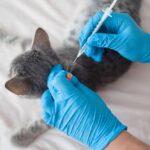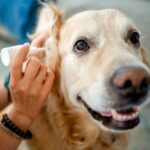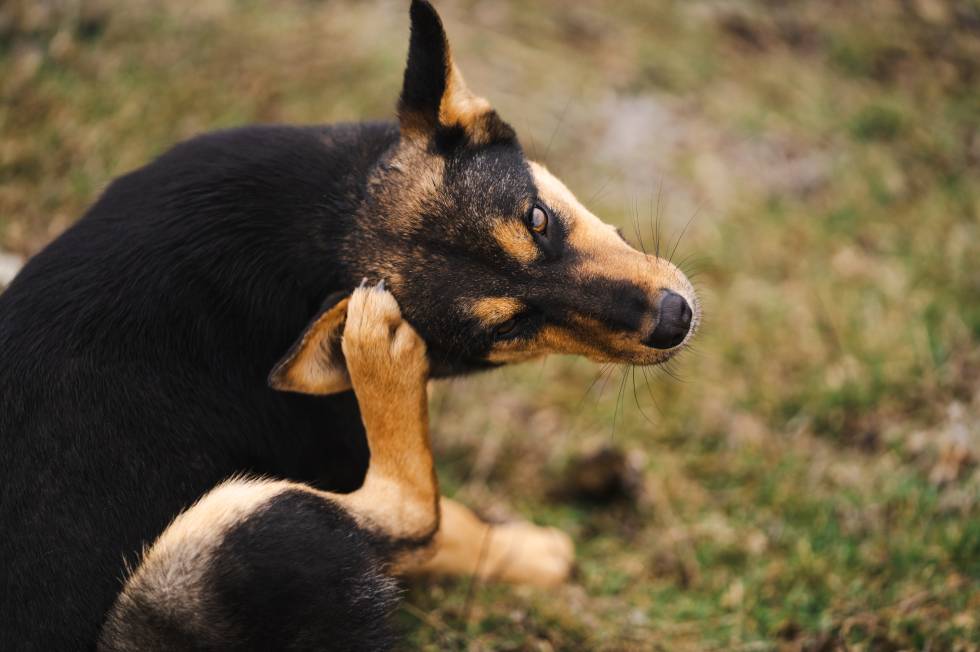
Persistent scratching, red inflamed patches, or excessive licking of paws and belly areas usually indicate pet skin allergies. Hot spots can be developed within hours; they’re painful, wet lesions that spread quickly if left untreated. A Bowmanville vet should be contacted when symptoms last more than 48 hours or worsen despite basic care.
Fast Facts:
- 60% of pet skin reactions are caused by environmental allergens
- Hot spots can double in size within 6-8 hours
- Food allergies typically develop after age 2 in dogs
- 1 in 4 pets are affected by flea allergy during peak season
- Treatment time is reduced by 40% with early intervention
Understanding Pet Skin Allergy Basics
Pet skin allergies work differently than human reactions. Allergens are processed by dogs and cats through their skin rather than their respiratory system, which explains why scratching becomes the primary symptom. Environmental triggers like pollen, dust mites, and cleaning products get absorbed through hair follicles; inflammation is caused from within. Food allergies, while less common, typically target the digestive system first but manifest as skin problems later. Harmless substances are essentially overreacted to by the immune system, creating a cycle of irritation that worsens with each scratch.
Recognizing Early Warning Signs
Visible scratching is often preceded by excessive licking. Paws, belly, and inner thighs are focused on by pets because these areas have thinner skin and more nerve endings. Red, inflamed patches develop gradually, then suddenly seem to explode overnight. A predictable pattern is followed by hair loss, starting at pressure points where pets scratch most frequently. Their Golden Retriever was noticed by one Bowmanville family licking his paws every evening after walks, but it was dismissed as normal cleaning behavior until bald spots appeared.
Hot Spots: The Emergency Situation
Bacterial infections that develop when scratching breaks the skin barrier are called hot spots. They appear as circular, wet, painful lesions that expand rapidly in warm, humid conditions. The technical term is acute moist dermatitis, but most pet owners just know them as angry red patches that seem to appear from nowhere. Every 20 minutes in ideal conditions, bacteria multiply, which explains why a small irritated area becomes a large, weeping wound so quickly. Immediate veterinary attention is required by these because they rarely heal without antibiotic treatment.
Common Allergen Sources in Bowmanville
Late spring around Bowmanville sees seasonal pollen from maple and oak trees peak. Ragweed becomes problematic in August and September. Dust mites, carpet cleaning chemicals, and fabric softeners are included in indoor allergens. Proteins like chicken, beef, or dairy are usually involved in food allergies rather than grains as many people assume. Environmental changes, like new landscaping or construction dust, can trigger reactions in previously unaffected pets. Even something as simple as switching laundry detergent has been known to cause problems.
When Home Remedies Aren’t Enough
Temporary relief for mild irritation is provided by cool oatmeal baths. Simple cases are sometimes resolved by removing obvious triggers like new cleaning products. But persistent symptoms lasting more than 48 hours typically indicate deeper issues that need professional diagnosis. Specific triggers are helped to be identified by allergy testing, though it’s not always conclusive. Over-the-counter options are worked faster and more effectively than by prescription medications. Weeks were spent by one local pet owner trying natural remedies before realizing their cat needed prescription antihistamines to break the itch-scratch cycle.
Treatment Options and Expectations
Secondary bacterial infections are usually addressed first by veterinary treatment. Hot spots are cleared up by antibiotics within 7-10 days when used properly. Inflammation is reduced and itch relief is provided by antihistamines and steroids. Allergens are helped to be removed from fur and irritated skin is soothed by medicated shampoos. Dietary changes, environmental modifications, or immunotherapy injections might be included in long-term management. The first week of treatment shows improvement in most pets, though complete healing takes 2-4 weeks depending on severity.
Prevention and Long-Term Management
Allergens are removed by regular grooming before they penetrate the skin. Sensitive pets are helped considerably by weekly baths during high pollen seasons. Indoor allergen levels are reduced by air purifiers, especially during winter months when windows stay closed. A noticeable difference is made by hypoallergenic bedding and frequent washing of pet items. Ongoing medication during allergy seasons is needed by some pets, while others respond well to dietary supplements that support skin health. What works for each individual pet should be found rather than following a one-size-fits-all approach.
Getting Professional Help in Bowmanville
Minor irritations are prevented from becoming major problems by early intervention. Veterinary dermatology has advanced significantly in recent years; more targeted treatment options than ever before are offered. Specific triggers can be identified and long-term management strategies can be guided by allergy testing, when appropriate. Treatment is responded to well by most cases when addressed promptly, rather than waiting for symptoms to worsen. If persistent scratching, licking, or developing hot spots are shown by your pet, the fastest path to relief is provided by professional evaluation. Visit our website to schedule a consultation and get your pet back to comfortable, healthy skin.
Mini-FAQ:
Q: How do I know if my pet’s scratching is normal or allergy-related? Normal scratching happens occasionally throughout the day. Allergy scratching is persistent, focused on specific areas, and often accompanied by red skin or hair loss. Patterns should be looked for.
Q: What causes hot spots to form so quickly? Moisture gets trapped under fur when pets lick or scratch damaged skin. These warm, wet conditions allow bacteria to multiply rapidly. Fair point, it’s basically a perfect breeding ground.
Q: Can I treat mild skin allergies at home? Gentle oatmeal baths and removing obvious irritants sometimes help. But honestly, what looks mild can worsen fast. Professional diagnosis is usually needed.
Q: Are certain dog breeds more prone to skin allergies? Higher rates are shown by Golden Retrievers, Bulldogs, and Terriers. Environmental factors in Bowmanville, like pollen seasons, affect all breeds though.