Recognizing True Breathing Emergencies The most critical pet emergencies are represented by breathing problems. Cats that breathe with their mouths open are usually in serious distress; dogs panting excessively without exercise or heat exposure also signal trouble....
Getting Ready for the Big Day The difference between a smooth visit and a chaotic one is made by preparation. Information about your pet’s eating habits, bathroom schedule, and any behavioral quirks you’ve noticed will be wanted by your vet. Plus, time...
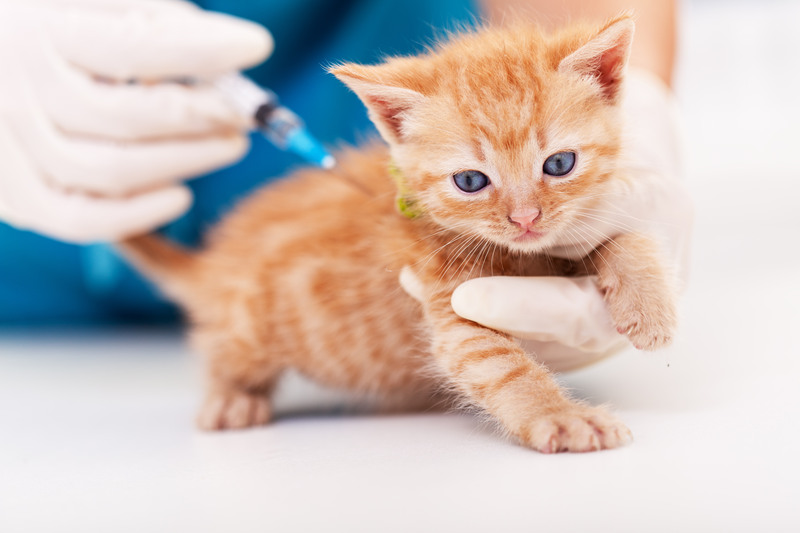
Puppy and Kitten Schedule: The Foundation Years Frequent veterinary attention is needed by young animals during their first few months. Every 3-4 weeks from 6 to 16 weeks old, puppies typically visit the vet. Proper vaccination timing and growth monitoring are allowed...
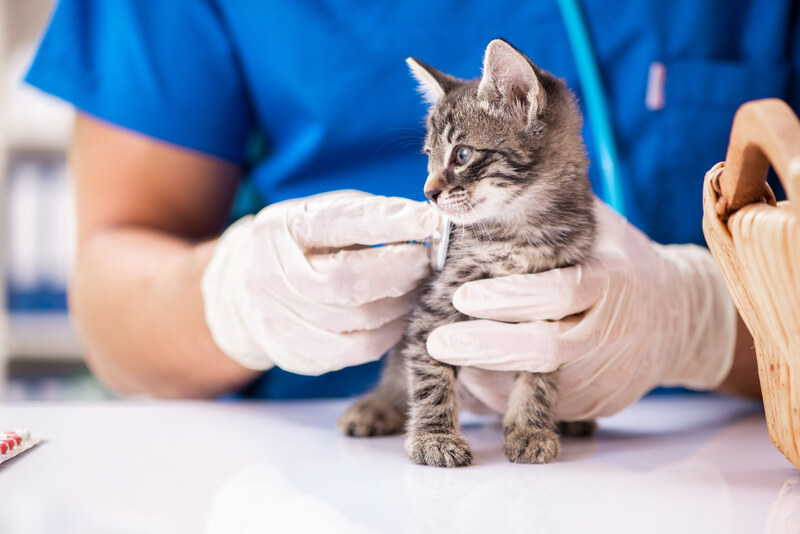
Why Preventive Care is Important for Pets Most pet owners expect preventative veterinary care to work differently than it does. Optimal health is focused on through regular monitoring and early intervention rather than waiting for visible symptoms. The first line of...
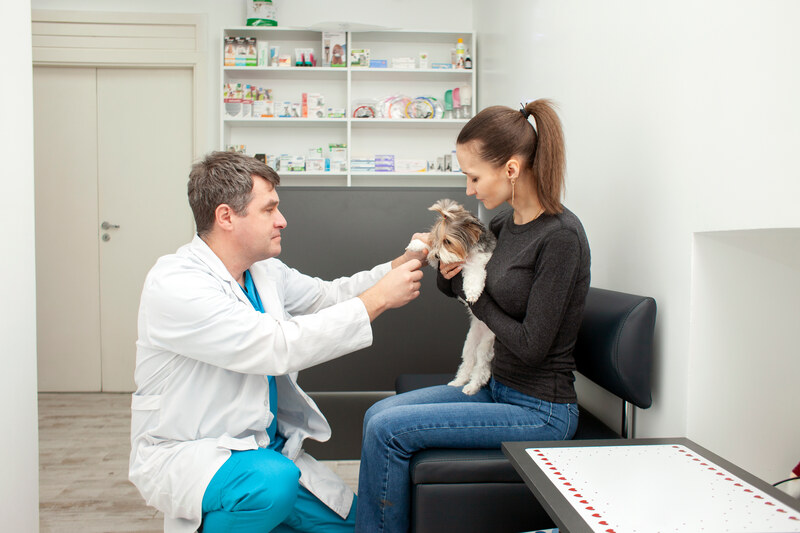
What Makes a Good Veterinary Clinic Everything is told to you within the first few minutes when walking into a vet clinic. Clean waiting areas matter; watch how staff interact with both pets and owners, though. Calm rather than chaotic is how good clinics feel. Time...
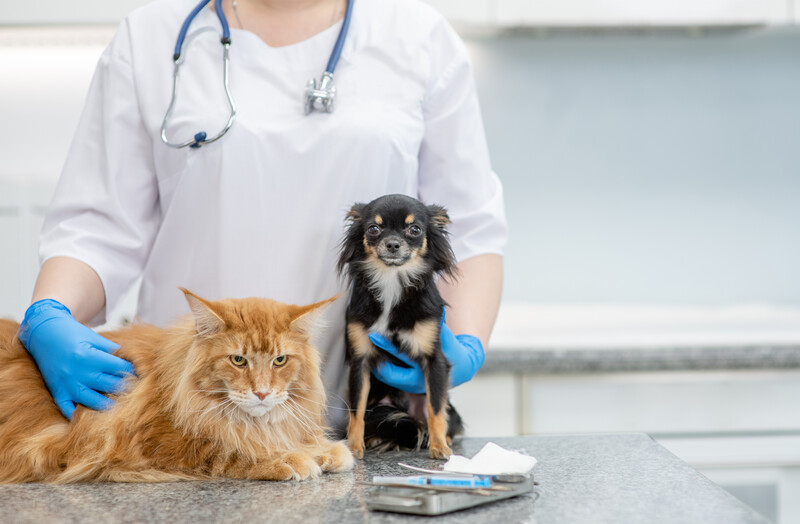
How Do I Know If My Pet Needs To See A Veterinarian? When Your Pet’s Behavior Changes Suddenly Distress is communicated differently by pets than humans, making it challenging for even experienced owners to recognize problems early. Pain or illness might be...