
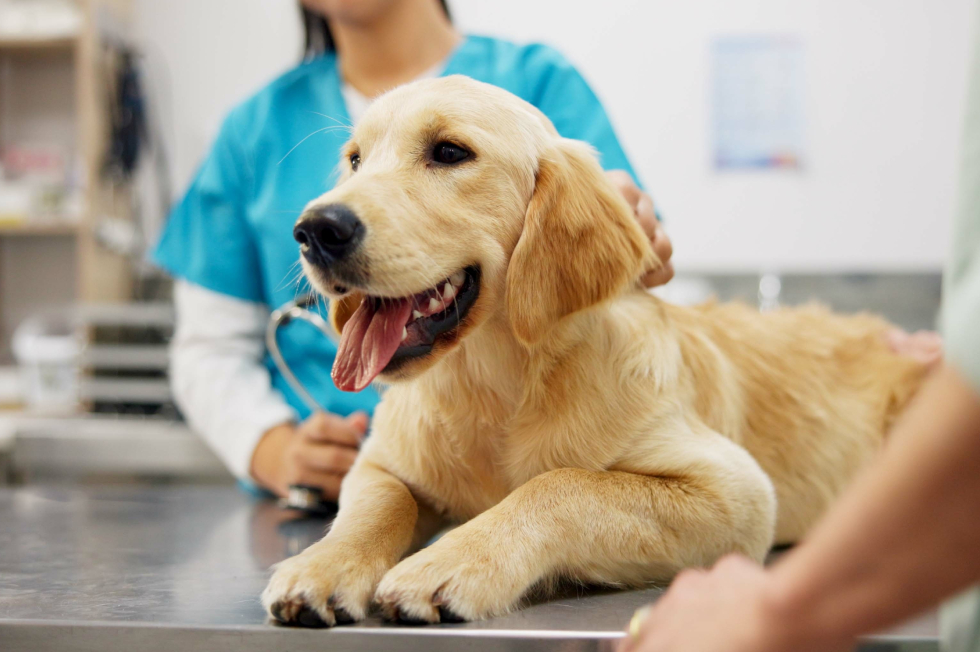
Lifelong pet wellness is supported by Animal Clinic of East Durham through stage-specific care programs that usually begin with puppy or kitten visits and continue through senior years. Preventive medicine, regular health screenings, and customized treatment plans are focused on by our approach; potential issues are helped to be caught early while your pet’s quality of life is maintained throughout every stage.
Fast Facts:
- 3-4 initial vaccinations are required by puppies in their first 16 weeks
- Twice-yearly wellness exams are benefited from by senior pets (7+ years)
- A pet’s lifespan can be extended by 2-3 years through preventive dental care
- Cancer risks are reduced by up to 90% through early spay/neuter procedures
- 85% of age-related conditions are detected by regular blood work before symptoms appear
Starting Strong: The Puppy and Kitten Foundation
Initial veterinary requirements often overwhelm new pet owners. Those early visits serve a crucial purpose beyond just vaccinations, though. Medical records are established by us, nutrition requirements get discussed, and any congenital issues that might need attention are identified. The vaccination timeline is frequently asked about by Bowmanville pet owners. Their first shots are typically needed by puppies at 6-8 weeks; boosters follow every 3-4 weeks until they’re about 16 weeks old. A similar schedule is followed by kittens. Spay and neuter discussions, microchipping, and parasite prevention are also covered by these appointments.
The Active Adult Years: Prevention Over Treatment
Their healthiest phase is usually experienced by adult pets between 1-7 years old. That’s when the biggest difference gets made by preventive care. Maintaining optimal weight, dental health, and catching early signs of common conditions are focused on by annual wellness exams. Every 1-2 years, blood work is typically recommended for healthy adults. These visits are skipped by many pet owners when their animals seem fine. From what we’ve seen, small issues can develop into bigger problems during that time. Long-term health is helped to be maintained by regular heartworm testing, flea and tick prevention, and dental cleanings.
Navigating the Senior Transition
Around age 7, seniors are generally considered what pets become, though faster aging is experienced by larger dogs than smaller breeds. Focus toward monitoring organ function and managing age-related changes is shifted to by senior wellness programs. Arthritis screening becomes important. Vision and hearing assessments get included. Twice yearly, blood work is usually recommended to track kidney, liver, and thyroid function. More critical status is reached by weight management as metabolism slows. The increased frequency of visits is resisted by some pet owners, but treatment outcomes can be significantly improved by early detection of conditions like diabetes or heart disease.
Specialized Care for Complex Needs
Ongoing management strategies that adapt over time are required by chronic conditions. Regular monitoring and medication adjustments are needed by pets with diabetes, kidney disease, or heart conditions. Home care routines that fit their schedules are developed by us working closely with pet owners. Medications, supplements, or physical therapy recommendations might be included in pain management for arthritic pets. Diet modifications are often made necessary as pets age or develop specific health issues. Quality of life is maintained while symptoms are managed effectively; that remains the goal.
End-of-Life Comfort and Support
Comfort and dignity are focused on by the final stage of pet care. Pain management is helped by palliative care options while pets are allowed to remain at home with their families. Quality of life indicators are discussed by us, and difficult decisions are helped to be made by families when the time comes. In-office or at home euthanasia services can be provided, depending on what feels right for each family. Grief support resources are made available because the entire household gets affected by losing a beloved pet. These conversations are never easy; however, comprehensive veterinary care includes them as an important part.
Making Lifelong Wellness Accessible
Proper care throughout their lives shouldn’t be prevented for pets by cost concerns, I suppose. Wellness packages that spread routine care costs over monthly payments are offered by us. More affordability is typically found in preventive care than treating advanced conditions. Early in the relationship, pet insurance discussions happen so informed decisions can be made by owners. Senior pet care can be expensive, but increased needs are helped to be budgeted for by families through planning ahead. Care plans that fit their financial situation while their pet’s health is prioritized are developed by our team working with each family. Ready to start your pet’s lifelong wellness journey? Your first appointment can be scheduled by visiting our website.
Mini-FAQ:
Q: When should I bring my new puppy for their first visit? Within 48-72 hours of bringing them home would be ideal. Baseline health markers are established and vaccination schedules are discussed during that first appointment. Plus, any immediate concerns you might have can be addressed by us.
Q: What’s included in a senior pet wellness exam? Look, standard check-ups are exceeded in comprehensiveness by senior exams. Kidney and liver function are reviewed through blood work. Joint mobility gets assessed. Vision and hearing are checked too. That still surprises people.
Q: How often should healthy adult pets visit the vet? Fair point to ask. Annual wellness visits are benefited from by most healthy adults, though more frequent monitoring may be needed by some breeds or pets with chronic conditions. Weight management and dental health are usually discussed at each visit.
Q: Do you offer payment plans for ongoing care? Funny enough, several financing options are worked with by us, something many pet owners don’t realize. CareCredit gets accepted, and payment arrangements for ongoing treatment plans can be discussed when needed.