
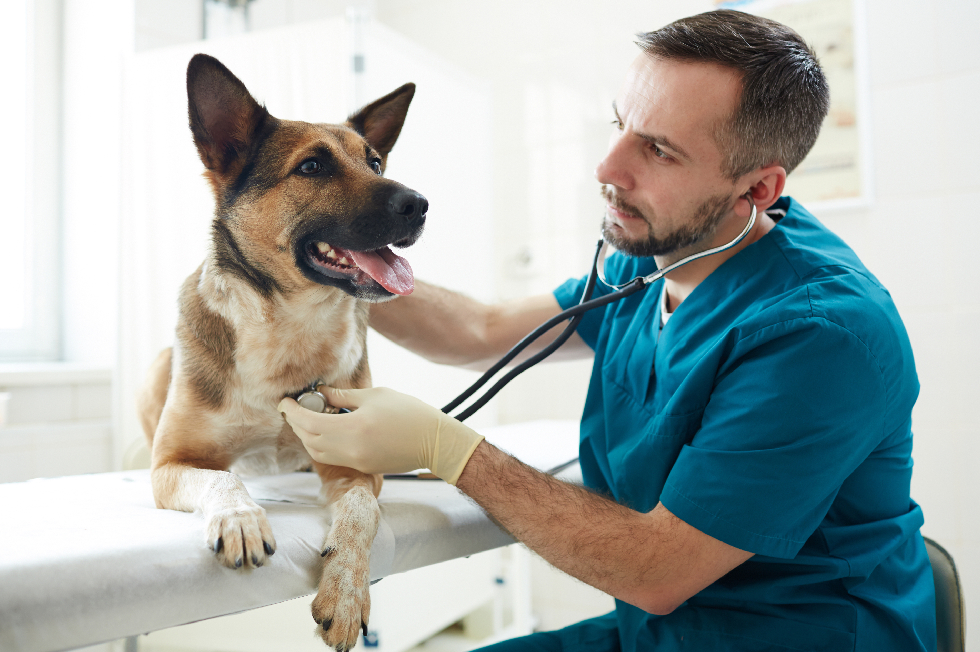
Your veterinarian should usually be called if your pet’s coughing or sneezing persists for more than 24-48 hours, occurs frequently throughout the day, or comes with other symptoms like difficulty breathing, lethargy, or loss of appetite; minor issues are often prevented from becoming serious health problems through early consultation.
Fast Facts:
- Veterinary attention is warranted by persistent coughing for over 48 hours
- Sneezing with blood or thick discharge requires immediate care
- 70% of respiratory infections respond better with early treatment
- Difficulty breathing or open-mouth breathing is always an emergency
- Senior pets and those with existing conditions need faster intervention
Recognizing Normal vs. Concerning Respiratory Symptoms
Most pets occasionally cough or sneeze without any underlying health issues. These responses can be triggered by environmental factors like pollen, dust, or household cleaners. But persistent symptoms tell a different story. According to available data, respiratory signs lasting more than 48 hours often indicate something that needs professional evaluation; pet owners in Bowmanville frequently ask about this timing, and it’s a reasonable concern, to be fair.
When Coughing Becomes a Red Flag
Irritation or infection in the respiratory tract is suggested by frequent coughing fits throughout the day. A dry, hacking cough might indicate kennel cough or other bacterial infections. Wet, productive coughs could signal pneumonia or heart-related issues. The sound and frequency matter more than you’d expect. Plus, more serious conditions are often pointed to by coughing that worsens at night or during exercise.
Sneezing Patterns That Need Attention
Occasional sneezing is normal behavior for dogs and cats. However, immediate veterinary care is required by violent sneezing fits or sneezing with blood. Thick, colored discharge from the nose usually indicates bacterial infection; clear discharge might suggest allergies or viral infections. From what we’ve seen, pet owners often wait too long when sneezing seems “minor.” Hard to explain sometimes.
Emergency Respiratory Warning Signs
Immediate attention is demanded by some respiratory symptoms, regardless of timing. Open-mouth breathing in cats is always concerning. Blue or pale gums indicate oxygen deprivation. Emergency care is required by labored breathing or gasping. These signs are often accompanied by restlessness or inability to settle comfortably. Don’t wait if you notice these symptoms.
Age and Health Factors That Matter
Faster intervention for respiratory symptoms is needed by senior pets and those with existing health conditions. Their immune systems are often compromised, making them more vulnerable to complications. Puppies and kittens also fall into this category. Breathing difficulties are predisposed in breeds with flat faces, like bulldogs or Persian cats. Geography plays a role too; seasonal allergies are common in our area, I suppose.
What to Expect During Your Veterinary Visit
Questions about symptom duration, frequency, and any triggers you’ve noticed will likely be asked by your veterinarian. They’ll examine your pet’s throat, listen to their lungs, and check for fever. Diagnostic tests might include X-rays or blood work, depending on the severity. Treatment options range from antibiotics for infections to medications for allergies or heart conditions. Simpler, less expensive treatment is usually meant by early diagnosis.
Making the Right Call for Your Pet’s Health
Your instincts as a pet owner should be trusted. You know your animal’s normal behavior better than anyone. When respiratory symptoms persist or worsen, peace of mind and proper treatment are provided by professional evaluation. The situation is rarely improved by waiting, and complications are often prevented by early intervention. If you’re concerned about your pet’s coughing or sneezing, our team is here to help. Visit our website to schedule an appointment or learn more about our services.
Mini-FAQ:
Q: How long should I wait before calling about my pet’s cough? Generally speaking, persistent coughing that lasts more than two days should be evaluated. A single coughing episode isn’t usually concerning. But repeated fits throughout the day? That’s different.
Q: Is sneezing always a sign of illness? Look, occasional sneezing is normal for most pets. Environmental factors like dust or strong scents can trigger it. However, frequent sneezing with discharge or blood needs attention. Pretty straightforward.
Q: What other symptoms should worry me alongside respiratory signs? Fair point to ask about this. Lethargy, loss of appetite, or changes in behavior are often overlooked by pet owners. Difficulty breathing is always serious. That still surprises people.
Q: Can I treat my pet’s cough at home first? Funny enough, many home remedies can actually make things worse. Steam from a hot shower might help temporarily, but underlying causes need professional diagnosis. Not worth the risk.